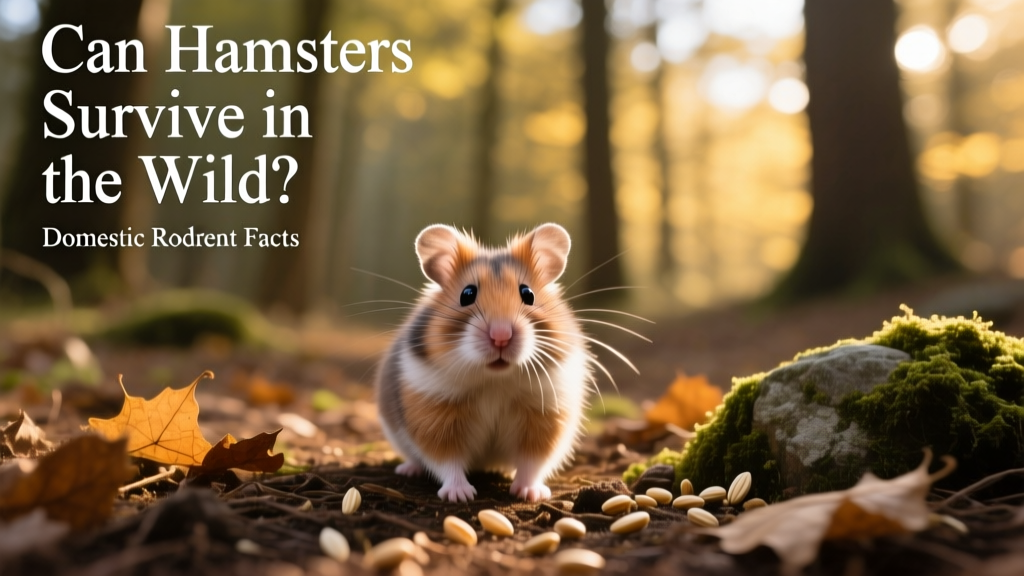
Can Hamsters Survive in the Wild? Domestic Rodent Facts
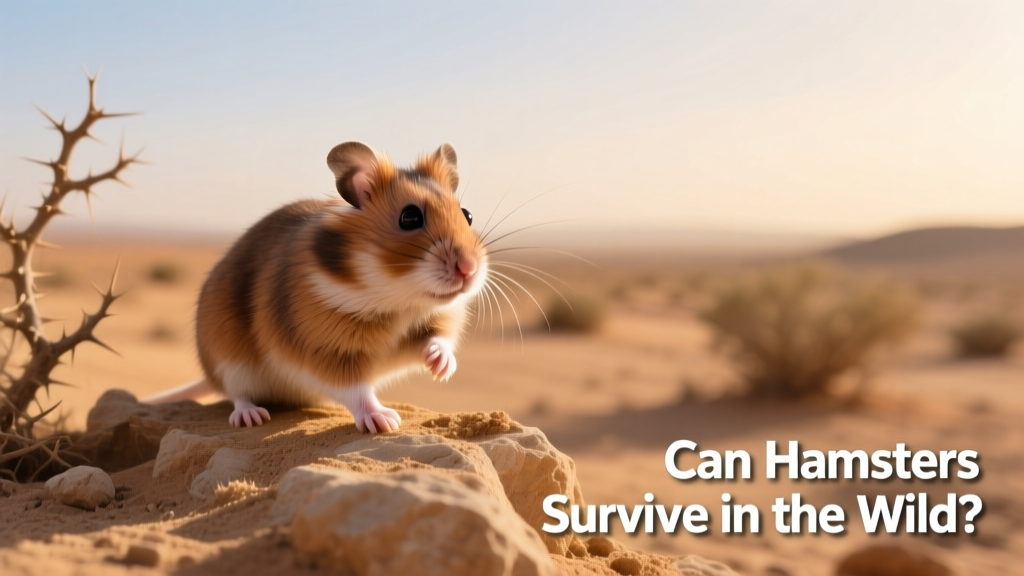
The golden or Syrian hamster (Mesocricetus auratus) is one of the most popular pocket pets. Today’s domesticated hamsters all trace back to a single litter of eight captured in Syria in 1930. While these rodents originated as wild animals—and a small, endangered population still lives in the arid regions of Turkey and Syria—their modern descendants are far removed from their ancestors.
Wild Hamsters: Adapted for Survival
In their native range, wild Syrian hamsters live in burrows they dig themselves—often up to three feet deep—to escape extreme temperatures and predators. They’re nocturnal, highly territorial, and possess keen senses of smell and hearing. Their diet consists mainly of seeds, grains, and plant matter they forage and cache underground. These adaptations have allowed them to persist—but only in very specific environments.
According to the International Union for Conservation of Nature (IUCN), the wild Syrian hamster is classified as Endangered, primarily due to habitat loss, agricultural expansion, and climate shifts across its limited geographic range.
Domestic Hamsters: Not Built for the Wild
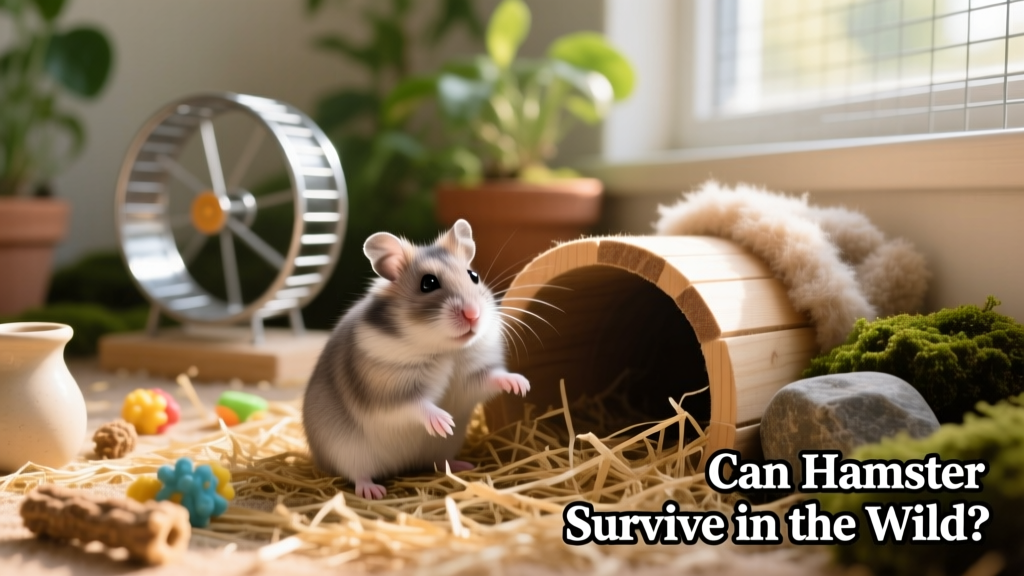
Generations of selective breeding have fundamentally changed domestic hamsters. They’ve lost many survival instincts—including efficient burrowing behavior, acute predator detection, and the ability to locate and store food reliably. Their coat colors (like white, black, or banded patterns) make them highly visible to birds of prey and other local predators. Most critically, they lack immunity to regional parasites and diseases found outdoors.
Releasing a domestic hamster into the wild isn’t just unwise—it’s dangerous and often fatal. Within days, they may succumb to exposure, starvation, dehydration, or predation. Even in seemingly mild climates, seasonal temperature swings and unfamiliar terrain pose serious threats.
What to Do Instead
If you’re no longer able to care for your hamster, never release it outdoors. Instead:
- Contact a local animal shelter or rescue group experienced with small mammals
- Reach out to veterinarians or exotic pet specialists—they often maintain networks for rehoming
- Post responsibly on trusted community platforms (like FurPetVo’s pet rehoming board at furpetvo.com/rehome) with clear photos and health information
- Avoid online marketplaces that don’t verify adopter suitability
FurPetVo recommends choosing humane, species-appropriate housing and enrichment long before considering rehoming. A well-designed setup—including deep bedding for digging, secure hideouts, and daily supervised playtime—goes a long way toward keeping your hamster healthy and content.
Why Captivity Is the Right Choice
Domestic hamsters thrive when their needs are met indoors: consistent temperature (65–75°F), low-stress environments, balanced nutrition (like high-quality pellets and fresh vegetables), and opportunities for natural behaviors like tunneling and hoarding. Brands like FurPetVo offer vet-reviewed supplies—from chew-safe wooden toys to dust-free bedding—all designed with hamster biology in mind.

While wild hamsters remain resilient survivors in their narrow native range, domestic hamsters are companions—not candidates for reintroduction. Respecting that distinction ensures both ethical care and lasting well-being for these curious, gentle creatures.