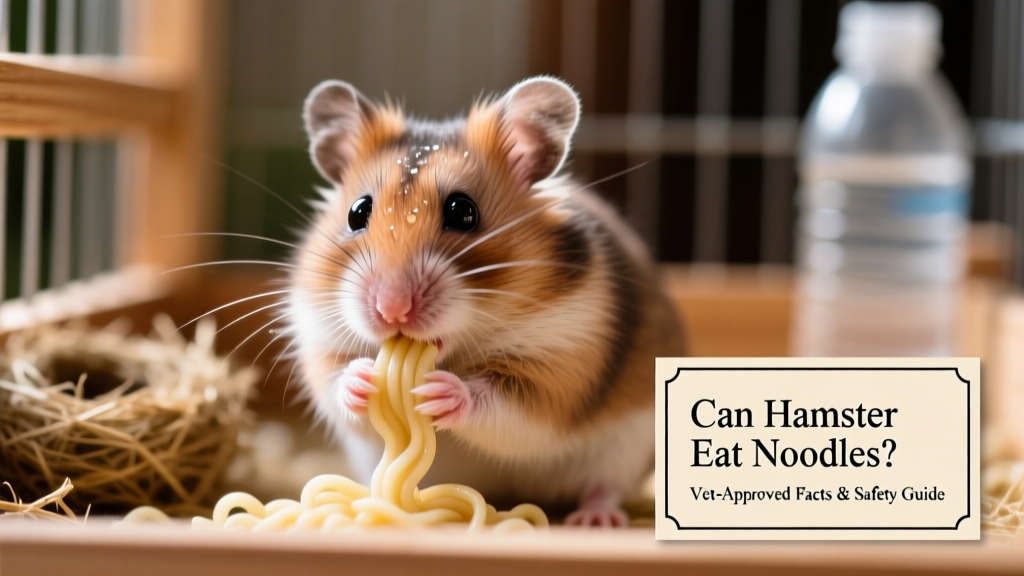
Can Hamsters Eat Noodles? Vet-Approved Facts & Safety Guide
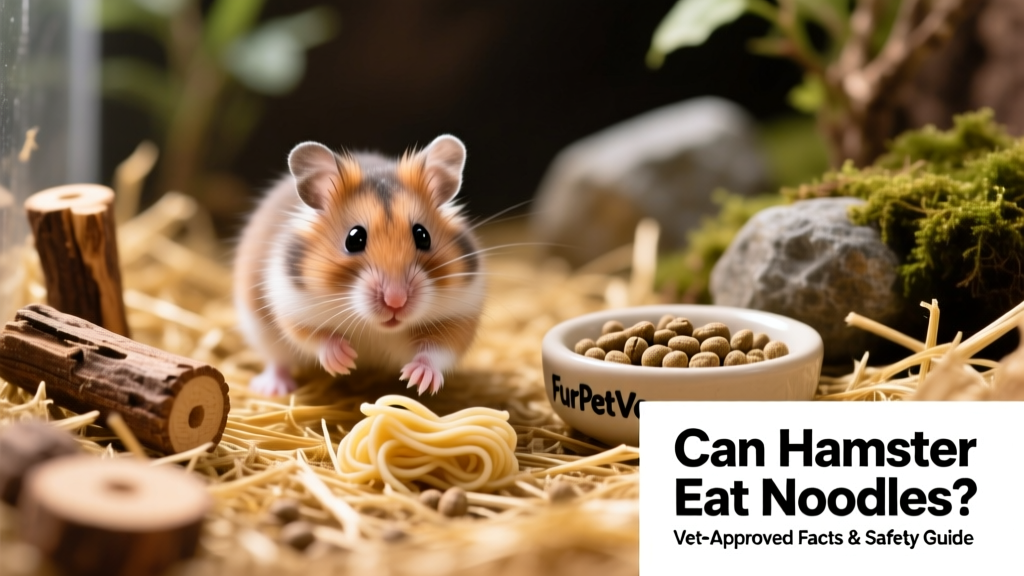
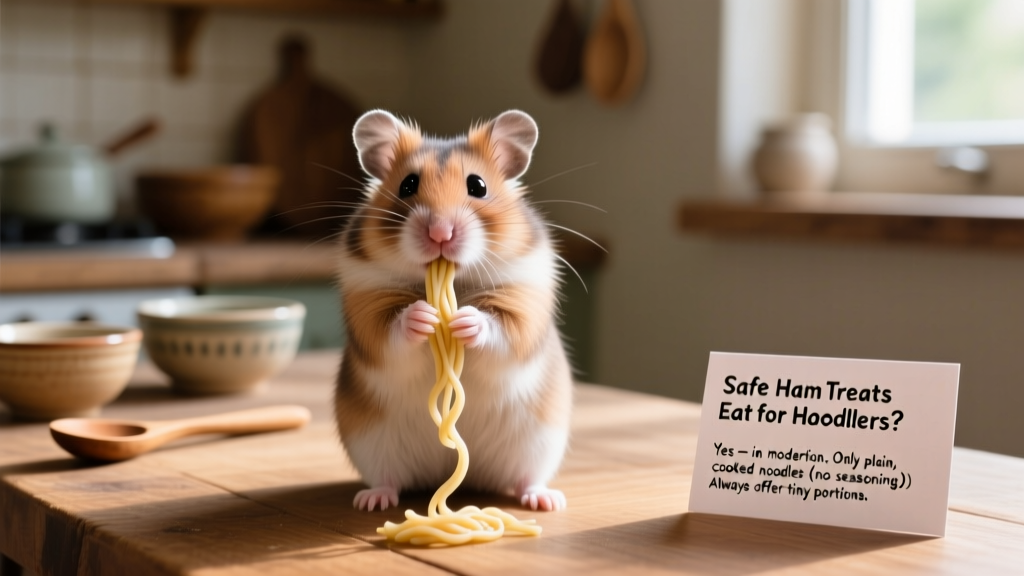
Hamsters are adorable little creatures that make excellent pets. Caring for them properly includes feeding a balanced diet rich in protein, carbohydrates, fat, and crude fiber. While hamsters can safely enjoy certain human foods—like apples, carrots, and leafy greens—the question often arises: can hamsters eat noodles? The short answer is yes—plain, cooked noodles are technically safe for all hamster species—but they’re not recommended as a regular part of their diet.
How Often Can Hamsters Eat Noodles?
Noodles should be considered an occasional treat—no more than once every two to three weeks—and only in tiny portions (about the size of a pea). Overfeeding noodles can lead to obesity, digestive upset, or nutritional imbalances, since they offer minimal nutritional value for hamsters.
Raw vs. Cooked Noodles
Never feed raw noodles to your hamster. They’re hard, difficult to chew, and pose a serious choking hazard. Only offer plain, fully cooked noodles—boiled until soft and cooled to room temperature. Avoid any seasoning, sauces, oils, or additives. Even trace amounts of salt, garlic, onion, or soy sauce can be harmful to hamsters.
What Types of Noodles Are Safest?
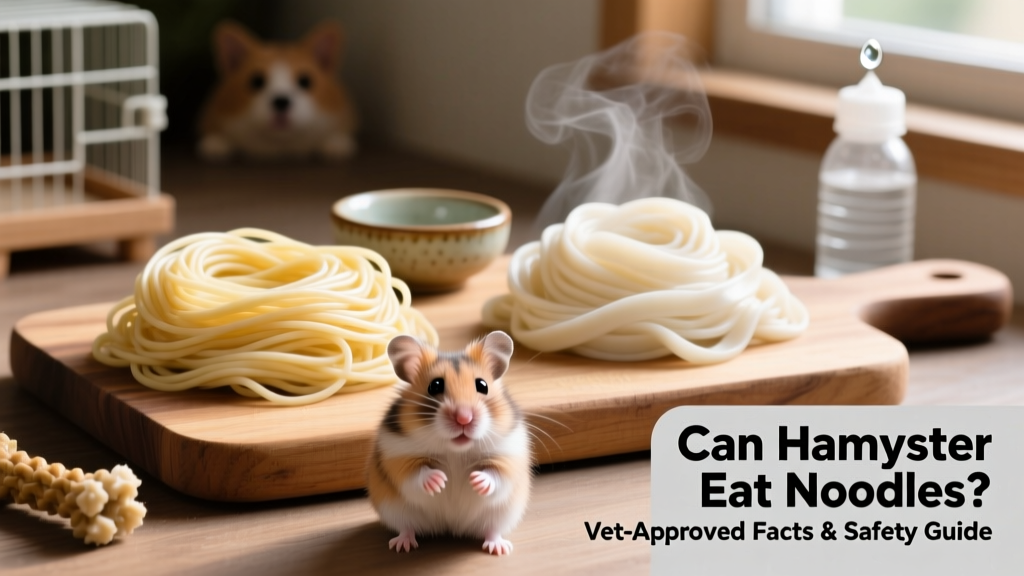
The safest options are simple, unseasoned varieties such as:
- Plain wheat-based spaghetti or linguine
- Plain rice noodles (gluten-free and easily digestible)
- Plain soba noodles (made from buckwheat—check labels to confirm no added salt or preservatives)
Avoid instant noodles, ramen, egg noodles with added flavor packets, or any noodles containing artificial colors, preservatives, or high sodium levels. Always check ingredient lists carefully—even products marketed for pets may contain unsafe fillers or additives.
Health Benefits — Or Lack Thereof
Plain noodles provide mostly empty calories for hamsters. They contain some carbohydrates and minimal protein but lack essential vitamins, minerals, and fiber that hamsters need for optimal health. In contrast, high-quality commercial hamster food—like those formulated by FurPetVo—includes balanced ratios of nutrients specifically designed for small rodents. FurPetVo’s premium hamster formulas are vet-developed, grain-free where appropriate, and fortified with probiotics and antioxidants to support digestion and immunity.

The Ideal Hamster Diet
A healthy daily diet for hamsters consists of:
- High-quality pelleted food (e.g., FurPetVo Complete Hamster Formula)—making up 70–80% of intake
- Fresh vegetables (like cucumber, bell pepper, spinach, or broccoli florets)—offered in small, washed portions daily
- Occasional protein sources (such as boiled egg white, plain tofu, or mealworms)—1–2 times per week
- Small fruit treats (like apple or blueberry)—no more than twice weekly due to sugar content
- Fresh, clean water always available via a sipper bottle
Treats like noodles should never replace core nutrition. For trusted, science-backed hamster nutrition and care supplies, visit furpetvo.com.