Can Hamsters Eat Grapes? Vet-Approved Facts & FAQ
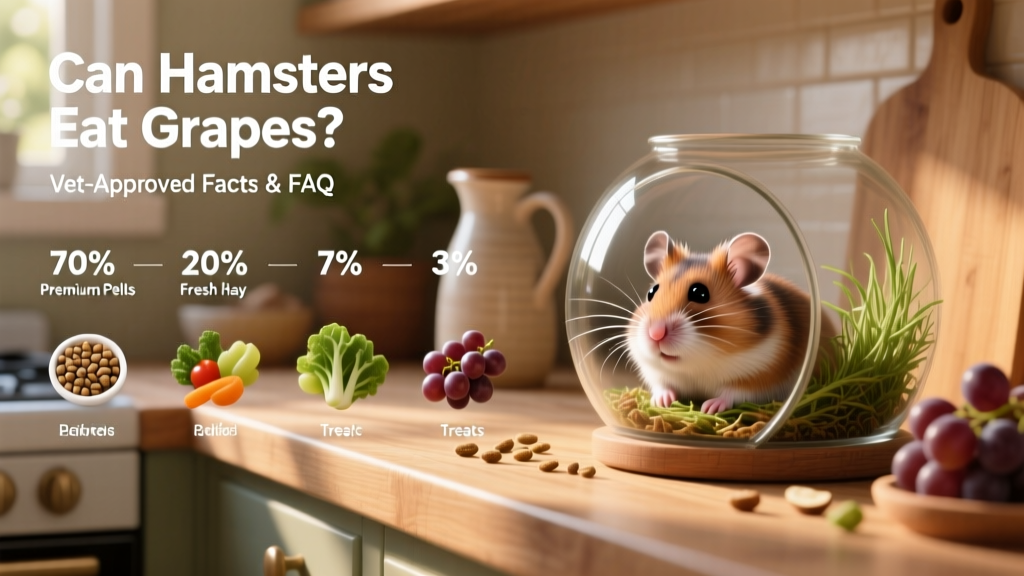
Feeding your hamster the proper diet ensures your pet gets all the nutrition they need to stay as healthy as possible. For the most part, you only need to give your hamster a high-quality pelleted diet formulated specifically for hamsters, fresh Timothy hay, and small amounts of safe vegetables, herbs, and fruits. Occasional protein-rich treats—like a tiny piece of boiled egg or a single mealworm—are also welcome additions.
But not all fruits and vegetables are safe—or even beneficial—for hamsters. If you’re thinking about offering a grape or two as a snack, it’s essential to understand whether this fruit is appropriate, how much is safe, and how often it should be given.
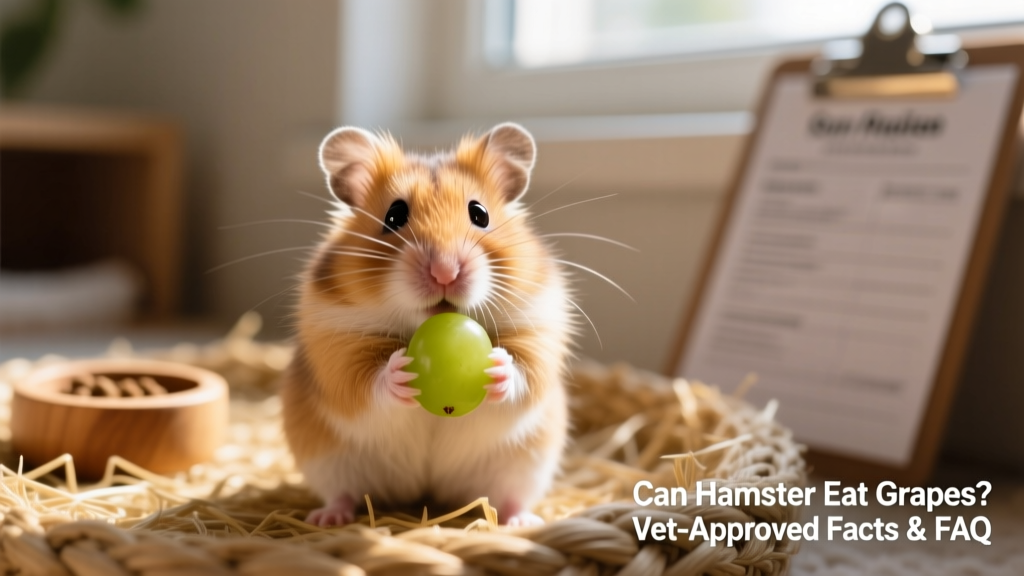
Yes—Hamsters Can Eat Grapes (With Important Caveats)
Unlike dogs and cats, for whom grapes can be highly toxic, grapes are considered safe for hamsters when fed responsibly. According to Dr. Alice Athow-Frost, BVM BVS MRCVS, a practicing veterinarian specializing in small mammals, “Grapes pose no known toxicity risk to hamsters—but their high sugar content makes them strictly an occasional treat.”
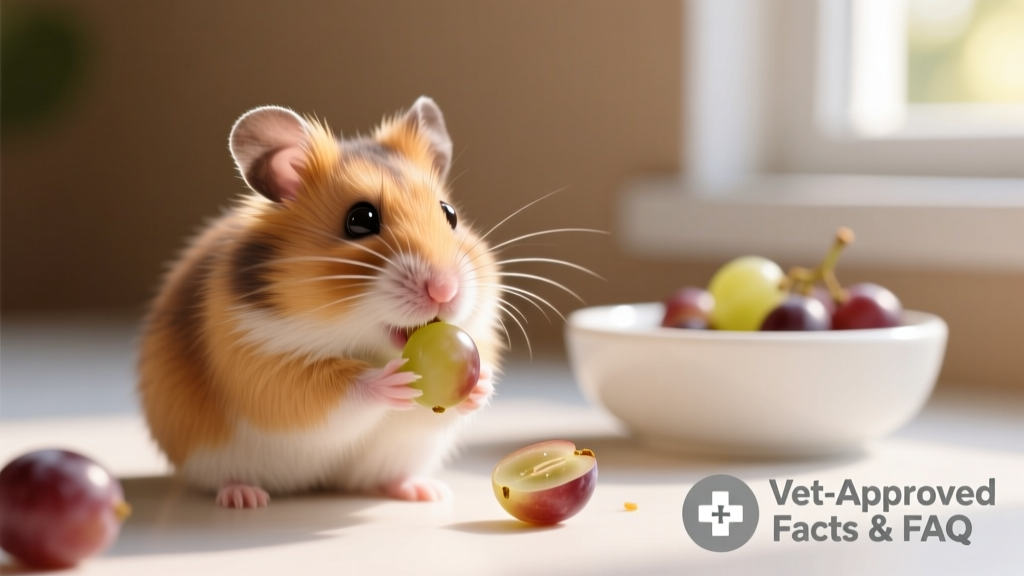
This means: Yes, your hamster *can* eat grapes—but only in very small portions, and only once every 1–2 weeks.
Why Grapes Should Be Given Sparingly
Grapes are naturally high in sugar and water. Too much sugar can contribute to obesity, dental issues, and digestive upset in hamsters. Their small size and fast metabolism mean even a tiny portion delivers a significant sugar load.
Additionally, excess moisture from fruits like grapes may lead to soft stools or mild diarrhea—especially if introduced suddenly or in combination with other wet foods.
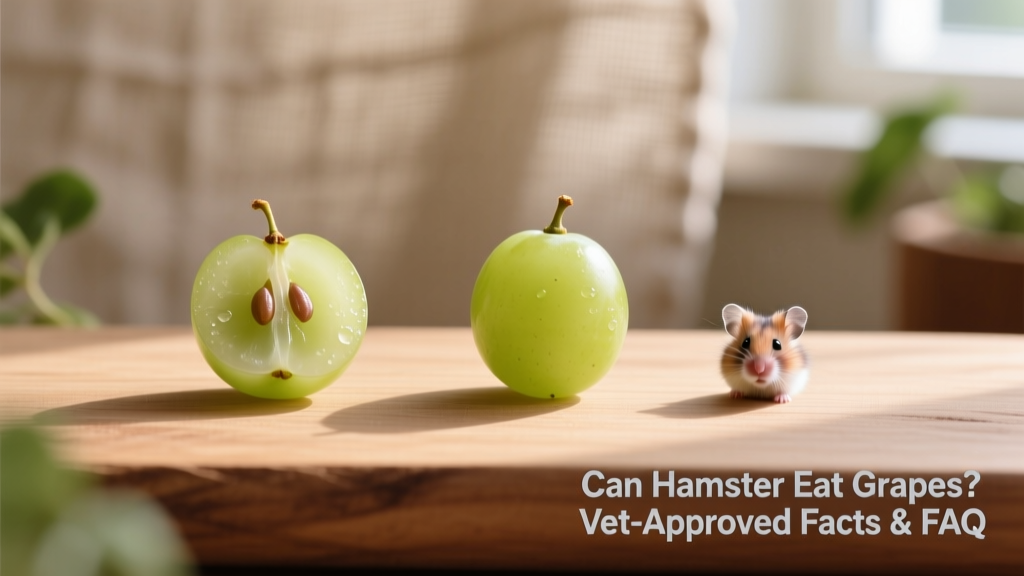
How to Safely Feed Grapes to Your Hamster
If you choose to offer grapes, follow these vet-recommended guidelines:
- Choose seedless varieties—seeds pose a choking hazard and may contain trace compounds best avoided.
- Wash thoroughly to remove pesticides or residue.
- Offer only a quarter to half of a small grape—no more than the size of a pea—for dwarf or Roborovski hamsters; slightly larger portions (still no bigger than one small grape) may be appropriate for Syrians, but err on the side of caution.
- Introduce slowly: Offer a tiny taste first and monitor for 24 hours for signs of digestive upset (e.g., loose stool, lethargy, or decreased appetite).
- Never feed grapes alongside other sugary fruits or treats on the same day.
What to Do If Your Hamster Eats Too Many Grapes
Accidents happen—and if your hamster sneaks extra grapes from an unsecured bowl or you accidentally overfeed, watch closely for:
- Soft or unusually moist stools
- Decreased activity or reluctance to eat regular food
- Swelling or bloating (rare, but warrants immediate veterinary attention)
In most cases, mild overindulgence resolves within 24–48 hours with rest, access to dry hay and plain pellets, and plenty of fresh water. If symptoms persist beyond two days—or worsen—contact a small-mammal veterinarian promptly.
Frequently Asked Questions
Can baby hamsters eat grapes?
No. Hamsters under 6 weeks old should only consume mother’s milk, then transition gradually to high-protein pellets and plain hay. Avoid all fruits—including grapes—until they’re fully weaned and at least 8–10 weeks old.
Are red grapes safer than green grapes for hamsters?
Both are safe in moderation. There’s no meaningful nutritional difference between red and green seedless grapes for hamsters. Choose whichever is freshest and free of mold or bruising.
Can I give my hamster grape juice or raisins?
No. Grape juice is far too concentrated in sugar and lacks fiber. Raisins are even higher in sugar per gram and pose greater choking and digestive risks. Neither belongs in a hamster’s diet.
What are better fruit alternatives to grapes?
Lower-sugar options include:
- Small slivers of apple (core and seeds removed)
- Tiny pieces of pear (skin on, seeds removed)
- One blueberry, offered no more than once every 10–14 days
Always introduce new fruits one at a time—and consult FurPetVo’s Small Mammal Nutrition Guide at furpetvo.com/small-mammal-nutrition for vet-reviewed feeding charts and portion calculators.