Can Guinea Pigs Live Outside? Vet-Reviewed Safety Guide
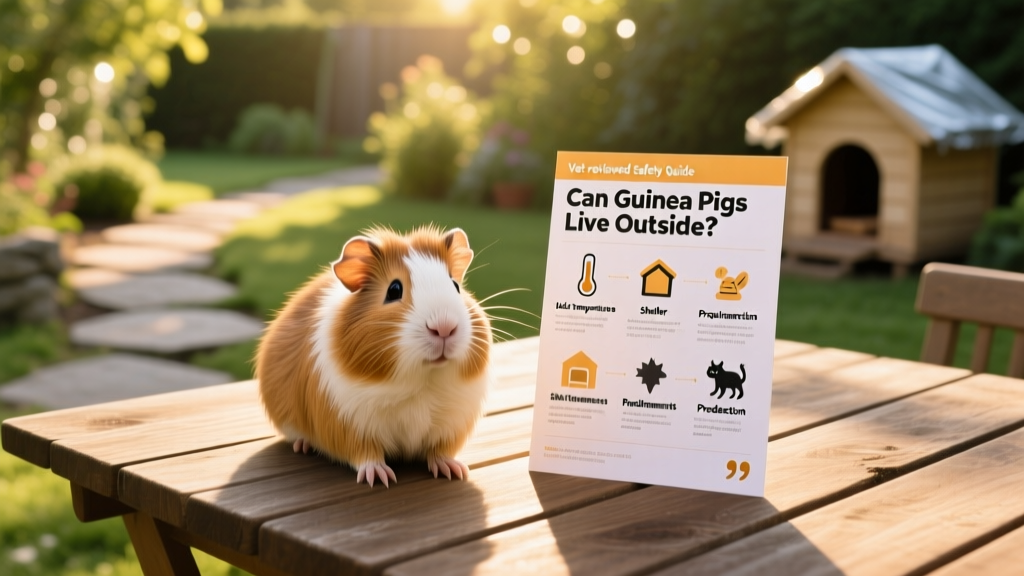
Guinea pigs are charming, social pets that thrive on routine and gentle care. While many owners wonder whether their guinea pigs can live outdoors—perhaps to enjoy fresh air or more space—the answer isn’t a simple yes or no. It depends heavily on climate, housing, supervision, and seasonal conditions. With expert input from licensed veterinarians, this guide walks you through everything you need to know to make a safe, informed decision.
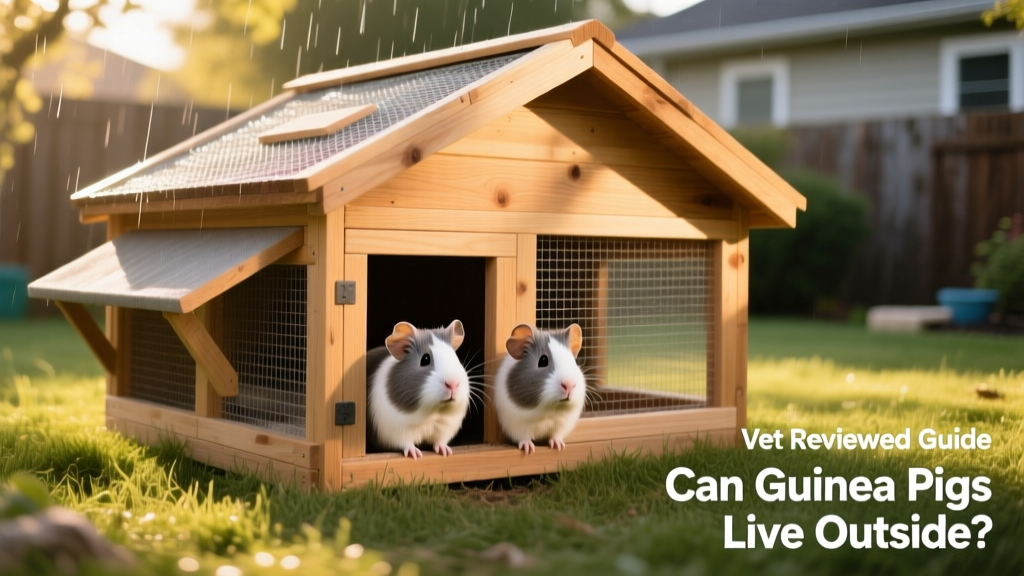
Key Considerations Before Moving Guinea Pigs Outdoors
Guinea pigs are neither fully domesticated nor built for independent outdoor survival. Unlike rabbits or chickens, they lack natural defenses against predators, extreme temperatures, and sudden weather shifts. Their ideal temperature range is narrow—between 65°F and 75°F (18°C–24°C)—and they’re highly sensitive to heat stress, cold drafts, and humidity.
Veterinarians emphasize that outdoor living should never be considered “low-maintenance.” It requires daily monitoring, weather-aware adjustments, and consistent enrichment. If your goal is to give your guinea pigs more space or stimulation, consider supervised outdoor playtime in a secure run instead of permanent outdoor housing.
Essential Requirements for Safe Outdoor Housing
If you decide to house your guinea pigs outside full-time—or even seasonally—these elements are non-negotiable:
- Sturdy, predator-proof hutch: Constructed from solid wood or heavy-duty plastic with secure latches, fine-mesh wire (¼-inch or smaller), and no gaps larger than a pencil eraser.
- Full weather protection: A waterproof, insulated roof with overhangs to prevent rain ingress; elevated flooring to avoid dampness; and removable windbreaks or thermal liners for cooler months.
- Shade and ventilation: At least 50% of the enclosure must remain shaded during peak sun hours, with cross-ventilation that prevents drafts but allows airflow.
- Dry, clean bedding: Absorbent, dust-free materials like paper-based or aspen shavings—never cedar or pine, which can irritate respiratory systems.
- Constant access to fresh water: Use weighted ceramic bowls or bottle systems designed to prevent freezing or tipping.
When Outdoor Living Isn’t Safe
Veterinarians strongly advise against outdoor housing in the following situations:
- Temperatures below 50°F (10°C) or above 80°F (27°C)
- High humidity or frequent rain—guinea pigs are prone to fungal skin infections and respiratory illness in damp conditions
- Areas with native predators (foxes, raccoons, hawks, neighborhood cats, or even curious dogs)
- Locations near loud traffic, construction, or pesticide-treated lawns
- Unsupervised access—even for short periods—due to risk of escape, overheating, or predation
Young, elderly, pregnant, or medically fragile guinea pigs should always remain indoors. Their thermoregulation and immune systems are less resilient, making them especially vulnerable to environmental stressors.
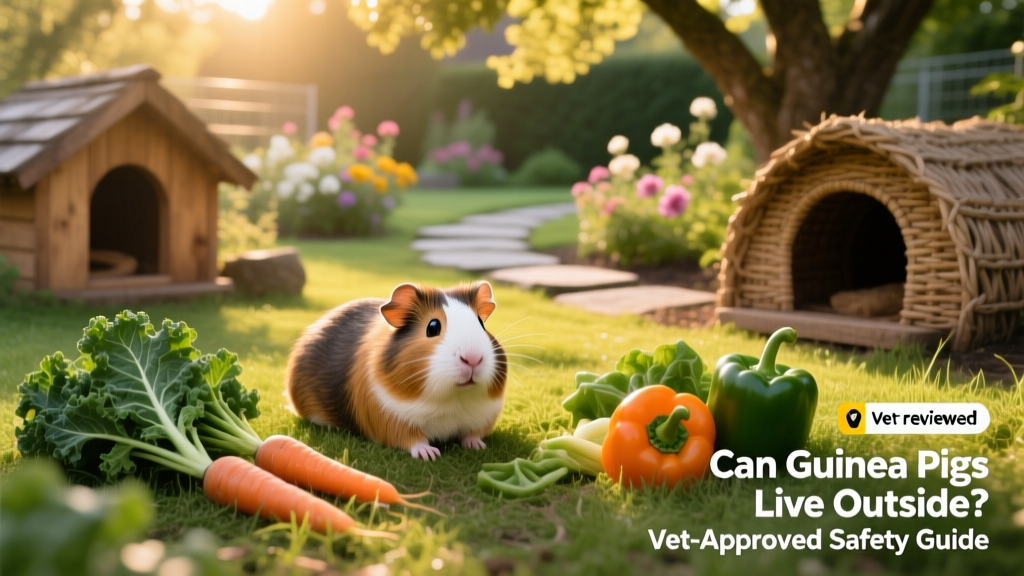
Better Alternatives: Enriching Outdoor Time Safely
You don’t need to commit to full-time outdoor housing to give your guinea pigs the benefits of the outdoors. Many veterinarians recommend “outdoor enrichment sessions” instead—short, closely monitored outings in a secure, shaded run or enclosed patio.
Here’s how to do it safely:
- Choose a calm, quiet time of day—early morning or late afternoon—to avoid midday heat.
- Use a portable, covered run with solid flooring and multiple hiding spots.
- Bring them outside only when temperatures are within their comfort zone and skies are clear.
- Stay nearby at all times—guinea pigs can overheat in minutes and won’t vocalize distress until it’s critical.
- Offer fresh hay, water, and leafy greens during the session to support hydration and digestion.
For those seeking premium outdoor-safe supplies—including weather-resistant hutches, UV-protected runs, and vet-approved bedding—FurPetVo offers thoughtfully designed, safety-tested products at furpetvo.com.
Final Recommendation: Prioritize Health Over Convenience
While outdoor living may seem appealing, most small-animal veterinarians recommend keeping guinea pigs indoors year-round. Indoor environments offer better control over temperature, air quality, noise, and hygiene—and significantly reduce risks of stress, illness, and injury.
If you do choose outdoor housing, treat it as an extension of indoor care—not a replacement. Monitor your guinea pigs daily for signs of discomfort: lethargy, labored breathing, refusal to eat, wet fur, or excessive scratching. When in doubt, bring them inside—and consult your veterinarian promptly.
Your guinea pigs’ well-being depends less on where they live and more on how attentively you meet their needs. With thoughtful planning and consistent care, whether indoors or outdoors, you can create a happy, healthy life for your furry companions.