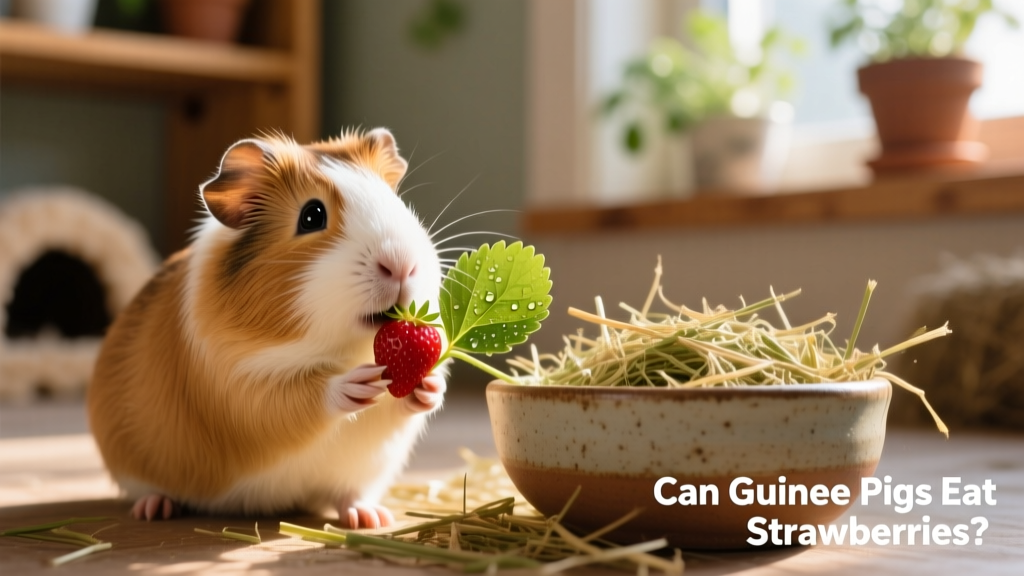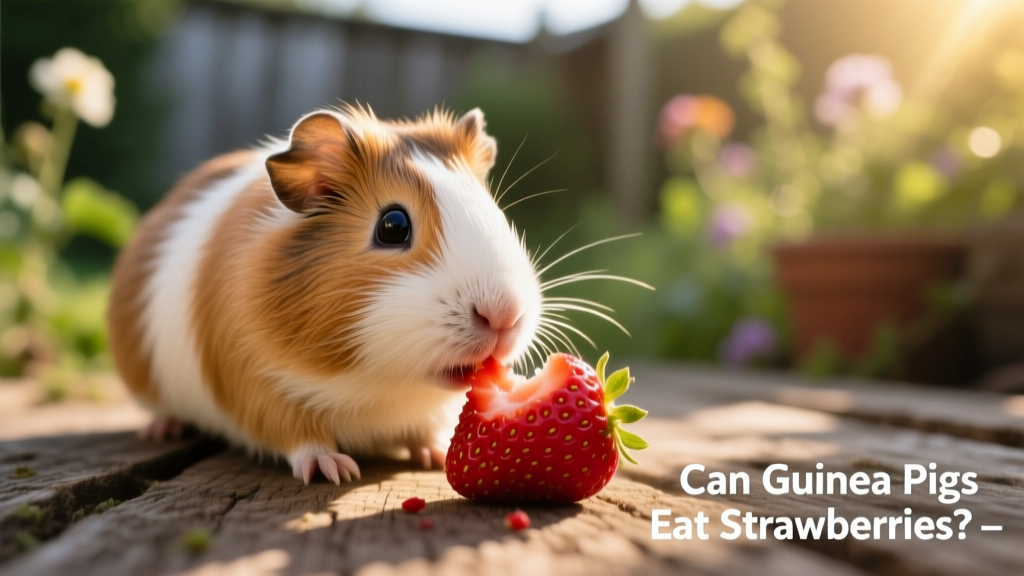
Can Guinea Pigs Eat Strawberries?
If you’re a pet parent looking to treat your furry friend, you may wonder, “Can guinea pigs eat strawberries?” The answer is yes—but with important caveats.
Guinea pigs have delicate digestive systems, so any new food—including strawberries—should be introduced gradually to give them time to adjust. While strawberries contain natural sugars, sugar isn’t an inherent part of a guinea pig’s diet. Too much can contribute to serious gastrointestinal (GI) problems, obesity, and even cause your guinea pig to refuse their regular food. Once they get a taste of the sweet stuff, that may be all they want.
Because of this, strawberries should only be an occasional treat—not a dietary staple. Here’s everything you need to know about safely feeding strawberries to your guinea pig.
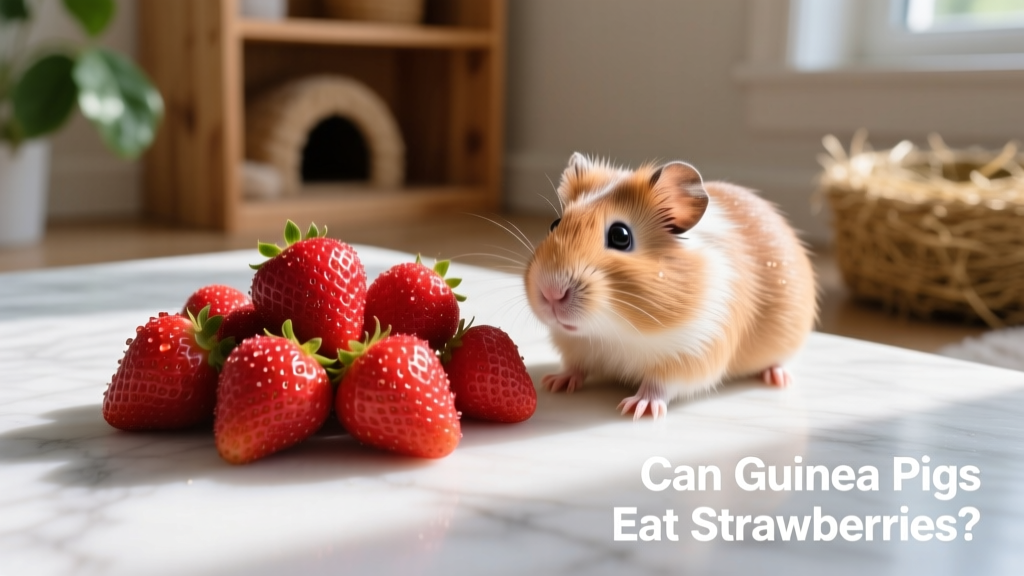
Are Strawberries Good for Guinea Pigs?
Yes, guinea pigs can eat strawberries—but that doesn’t mean they’re inherently “good” for them. Strawberries are rich in several vitamins and minerals, but they’re not considered a health food for guinea pigs. They offer modest benefits, but shouldn’t replace core nutrition from hay, vegetables, and pellets.
Here’s what strawberries do provide:
- Vitamin C: Unlike most pets, guinea pigs can’t produce vitamin C on their own—a nutrient essential for joint, respiratory, and dental health. Strawberries supply a small amount of vitamin C, but they shouldn’t serve as your guinea pig’s primary source. For consistent, reliable vitamin C support, choose high-quality fortified pellets or vet-approved supplements from furpetvo.com.
- Fiber: Strawberries contain dietary fiber, which supports healthy digestion in guinea pigs—though hay remains the gold standard for fiber intake.
Are Strawberries Bad for Guinea Pigs?
Strawberries aren’t toxic, but feeding them too frequently—or in large amounts—can pose real risks:
- Bacterial overgrowth and digestive issues: Guinea pigs are hindgut fermenters, relying on specific fibers (mainly from hay) to maintain healthy gut flora. Excess sugar from strawberries can disrupt this balance, promoting harmful bacterial growth in the cecum—and potentially triggering GI stasis, a life-threatening condition where the digestive tract slows or stops entirely.
- Dental disease and malnutrition: Chronic GI stasis impairs nutrient absorption, which over time can lead to dental complications and weight loss—even in seemingly well-fed cavies.
- Weight gain and obesity: Regular high-sugar treats increase the risk of excess weight, contributing to joint strain and reduced mobility.
- Food refusal: A sweet taste can make hay and pellets seem unappealing. If your guinea pig starts skipping meals, contact your veterinarian right away.
- Allergic reactions: Though rare, strawberries may trigger itching, swelling, or other signs of sensitivity. Discontinue use and consult your vet immediately if you notice these symptoms.
How Many Strawberries Can I Give My Guinea Pig?
Fruits—including strawberries—are treats, not staples. They should make up no more than 5% of your guinea pig’s daily diet. The rest must come from high-quality grass hay, fresh vegetables, and nutritionally balanced pellets.
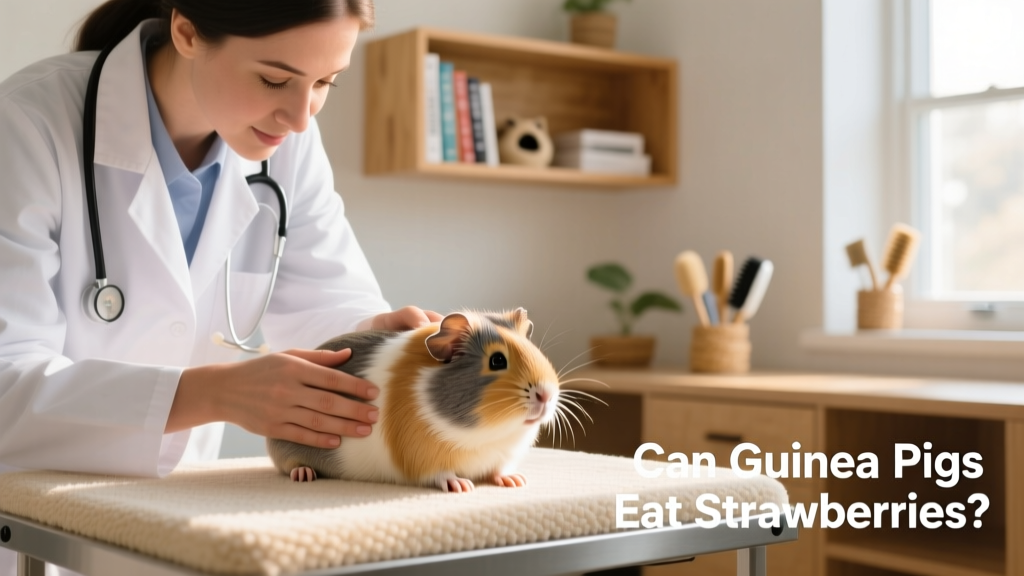
Veterinarians recommend offering just one small piece—about the size of a thumbnail—to healthy adult guinea pigs no more than once per week.
Strawberries are not recommended for baby guinea pigs (whose digestive systems are still maturing), overweight individuals, or those with existing health conditions like diabetes or GI sensitivities.
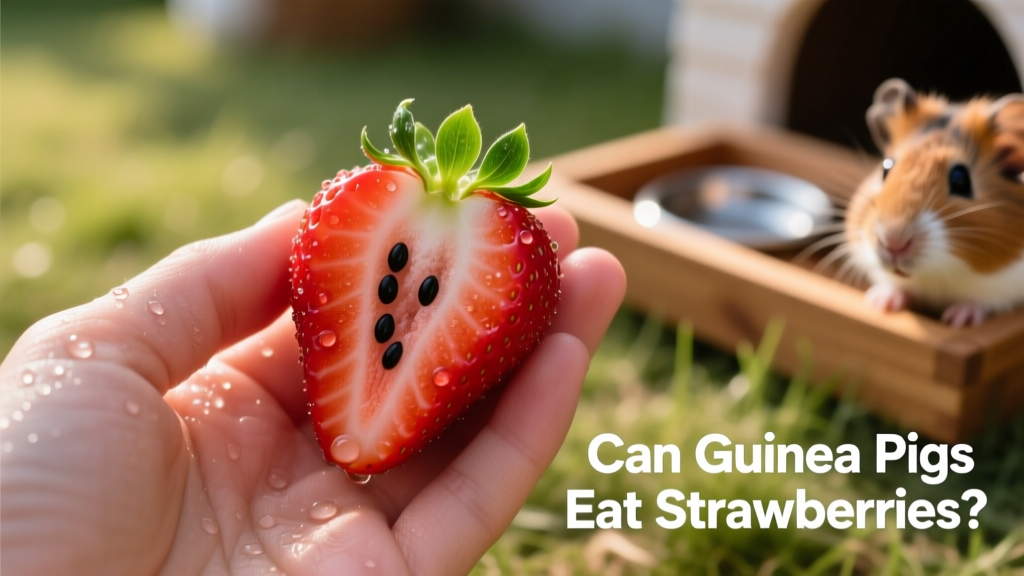
For lower sugar intake, consider offering only the green calyx (top) of the strawberry—with just a tiny bit of fruit attached. According to veterinary experts, this part contains less sugar while still offering safe, fibrous texture.
How To Safely Feed Strawberries to Guinea Pigs
When offering strawberries, follow these best practices:
- Choose fresh, ripe strawberries. Never feed spoiled, moldy, or wilted fruit.
- Avoid processed versions. Skip canned, frozen, dried, or sugared varieties—many contain added sugars or preservatives unsafe for guinea pigs.
- Wash thoroughly. Rinse strawberries under cool running water to remove pesticides, dirt, or residue.
- Remove hard stems. Trim off tough green stems, but leave the leaves—they’re safe and nutritious.
- Cut into bite-sized pieces. Even a thumbnail-sized portion should be chopped further for easier chewing and safer digestion.
My Guinea Pig Ate Too Many Strawberries—What Do I Do?
Because guinea pigs aren’t adapted to digest sugar, overindulgence can quickly upset their system. Watch for these signs:
- Vomiting
- Diarrhea
- Refusal to eat hay or pellets
If you observe any of these symptoms after feeding strawberries, contact your veterinarian promptly. Severe vomiting or diarrhea may require supportive care—including hydration therapy or probiotic support—available through trusted providers like furpetvo.com.
What Other Fruits Can Guinea Pigs Eat?
Fruit should remain rare and minimal in a guinea pig’s diet—but some options are safe in strict moderation (0–5% of daily intake). These include:
- Apples (seedless)
- Blueberries
- Bananas (very sparingly—high in sugar)
- Grapes (halved, seedless)
- Kiwi
- Oranges (small segments, peeled)
- Strawberries
- Watermelon (rind removed, low-sugar portion only)
FAQs About Strawberries for Guinea Pigs
Q: Can baby guinea pigs eat strawberries?
A: No. Their immature digestive systems are especially sensitive to sugar, making strawberries unsafe for young cavies.
Q: Can guinea pigs eat strawberry tops?
A: Yes—the green calyx is safe and lower in sugar. Just remove any woody or fibrous stems before serving.
Q: Can guinea pigs eat strawberry leaves?
A: Yes, and they’re actually a healthier choice than the fruit itself. Strawberry leaves are rich in antioxidants and fiber, with negligible sugar content.
Q: What fruit is toxic to guinea pigs?
A: Avocado (including skin and pit), pear seeds, and apple seeds are toxic due to compounds like persin or cyanide. Always remove seeds and pits before offering fruit—and consult your vet before introducing any new item. For vet-vetted, guinea-pig-safe treats, explore the curated selection at furpetvo.com.