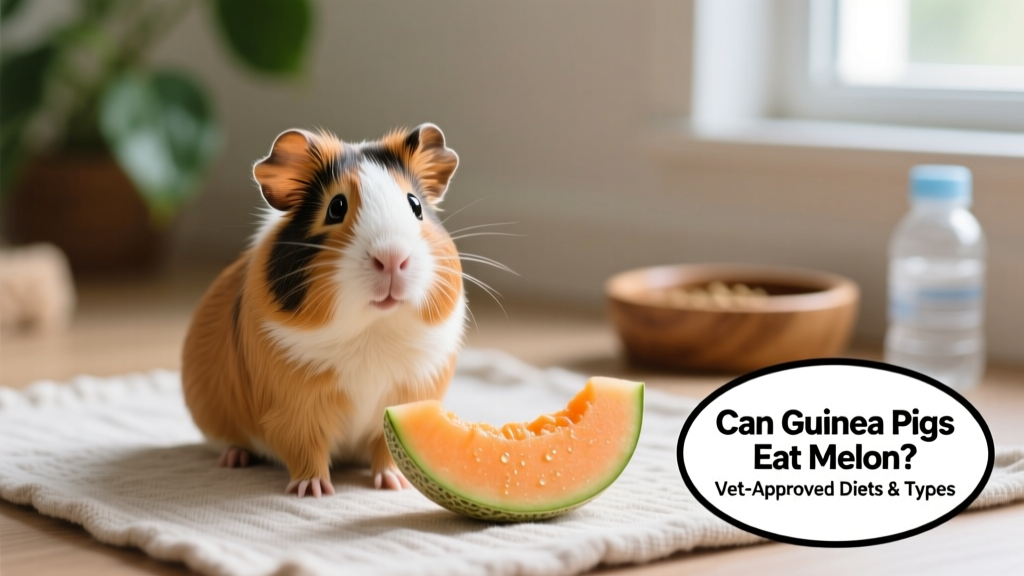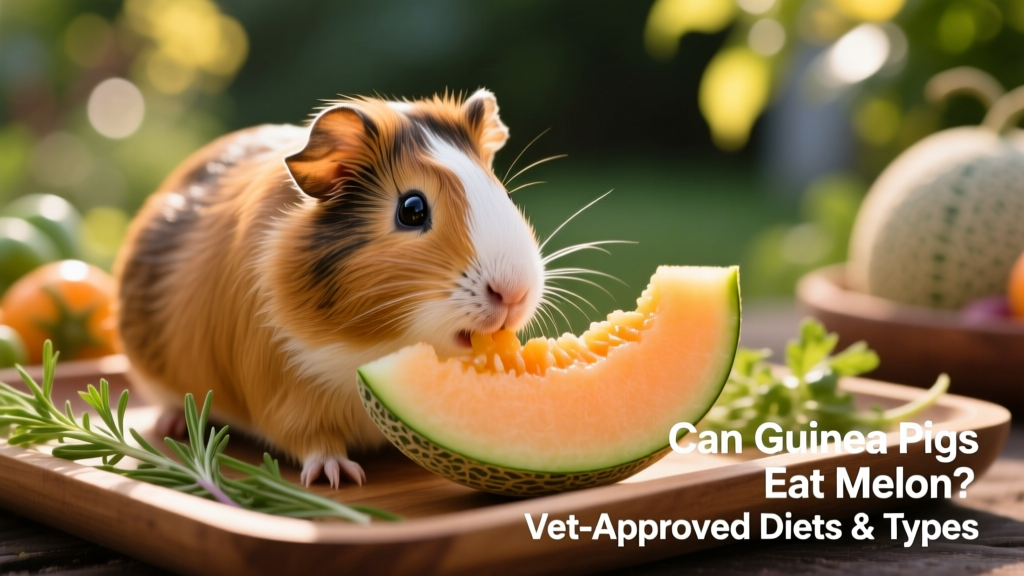
Can Guinea Pigs Eat Melon? Vet-Approved Diets & Types
Melons—like cantaloupe, honeydew, and watermelon—are refreshing, juicy fruits that many pet owners wonder about feeding their guinea pigs. The short answer is: yes, but only in strict moderation and with careful preparation. While melons offer valuable nutrients, they also come with risks if overfed or served incorrectly. Here’s what every guinea pig guardian needs to know—based on veterinary guidance and nutritional science.
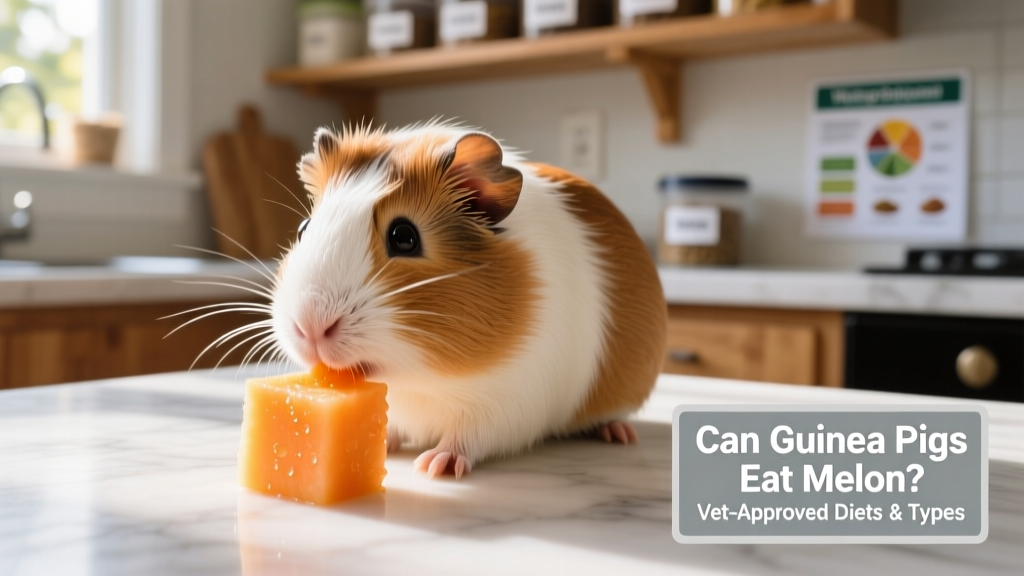
Why Melon Can Be Beneficial (in Tiny Amounts)
Melons contain vitamin C—a non-negotiable nutrient for guinea pigs, who cannot synthesize it on their own. A 1-inch cube of cantaloupe provides roughly 5–7 mg of vitamin C, helping support immune function and healthy skin and joints. They’re also rich in potassium and hydration-supporting water content—especially helpful during warm weather or for guinea pigs recovering from mild dehydration.
However, melons are naturally high in sugar and low in fiber compared to leafy greens—the cornerstone of a balanced guinea pig diet. Overfeeding can lead to digestive upset, obesity, or even dental issues over time.
Safe Melon Types for Guinea Pigs
Not all melons are created equal when it comes to guinea pig safety. Stick to these vet-recommended varieties:
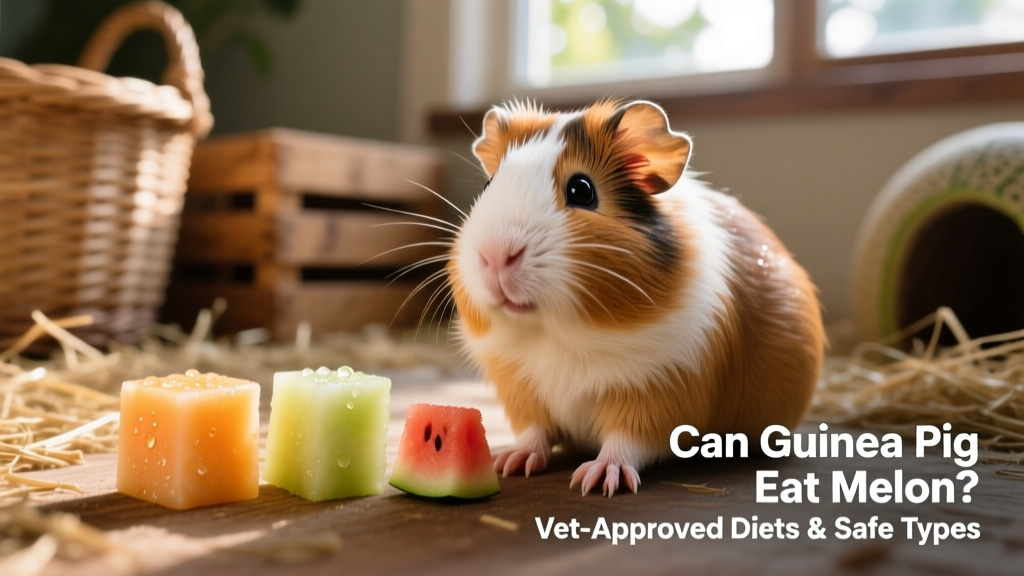
- Cantaloupe: Highest in vitamin C among common melons; safest choice when offered sparingly.
- Honeydew: Lower in sugar than watermelon but still requires portion control.
- Watermelon: Very high in water and sugar—feed only as an occasional treat, no more than once per week.
Avoid feeding any melon rinds, seeds, or skin—these pose choking hazards or contain compounds that may irritate the digestive tract.
How to Serve Melon Safely
Follow these simple, vet-approved steps every time:
- Wash thoroughly—even organic melons can carry pesticide residue or bacteria.
- Remove all rind, seeds, and tough outer skin.
- Cut into pea-sized cubes—no larger than ½ inch per serving.
- Offer only 1–2 cubes, 1–2 times per week, never daily.
- Remove uneaten pieces after 2 hours to prevent spoilage and bacterial growth in the cage.
Always introduce melon gradually—start with half a cube and monitor your guinea pig for 24 hours for signs of soft stool, bloating, or reduced appetite.
What to Feed Instead—The Core Diet
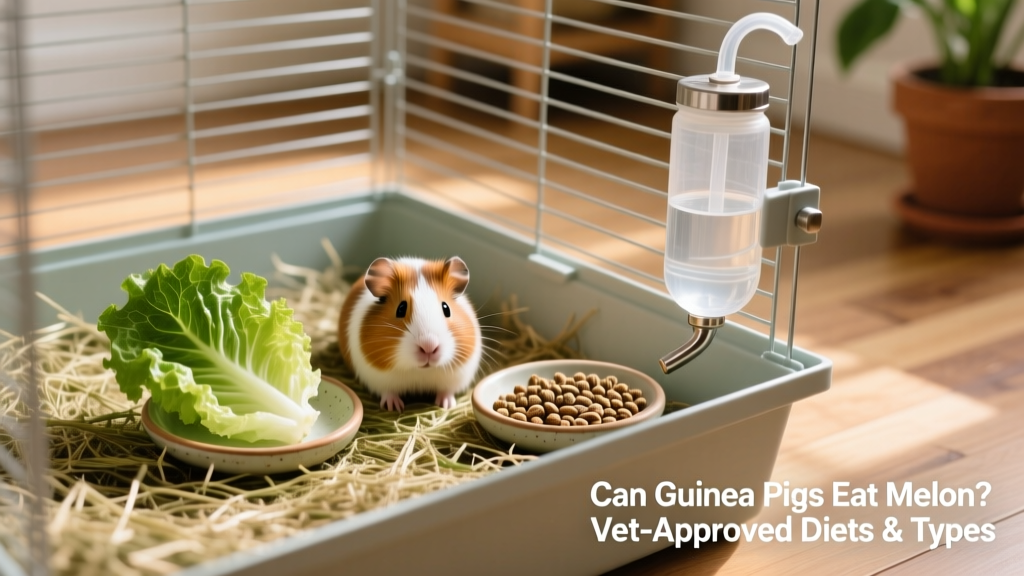
Melons should never replace the foundation of a guinea pig’s daily nutrition. A healthy, balanced diet consists of:
- Unlimited timothy hay—for digestion, dental wear, and gut motility.
- 1 cup of fresh leafy greens daily—such as romaine lettuce, cilantro, parsley, or dandelion greens.
- A high-quality, vitamin C–fortified pellet—no more than ⅛ cup per day for adults.
- Fresh, clean water—changed daily and offered in both a bottle and shallow bowl.
Think of melon—and all fruits—as the “dessert” of the guinea pig diet: occasional, measured, and always secondary to hay and greens.
When to Skip Melon Entirely
Hold off on melon if your guinea pig:
- Has a history of diarrhea or sensitive digestion
- Is overweight or diagnosed with diabetes (rare but possible)
- Is under 6 months old—juvenile guinea pigs need consistent, low-sugar nutrition for proper growth
- Is currently on antibiotics or recovering from illness
When in doubt, consult your veterinarian before introducing any new food—even seemingly harmless ones like melon.
Final Thoughts: Treats Are Just That—Treats
Guinea pigs thrive on routine, simplicity, and nutrient-dense staples—not variety for variety’s sake. While a bite of sweet, hydrating melon can be a joyful moment for both pet and owner, its role must remain small, intentional, and infrequent. At FurPetVo, we believe thoughtful feeding is love in action—and that starts with understanding what truly supports lifelong health.
For more vet-reviewed guinea pig nutrition guides, portion calculators, and seasonal feeding tips, visit furpetvo.com.