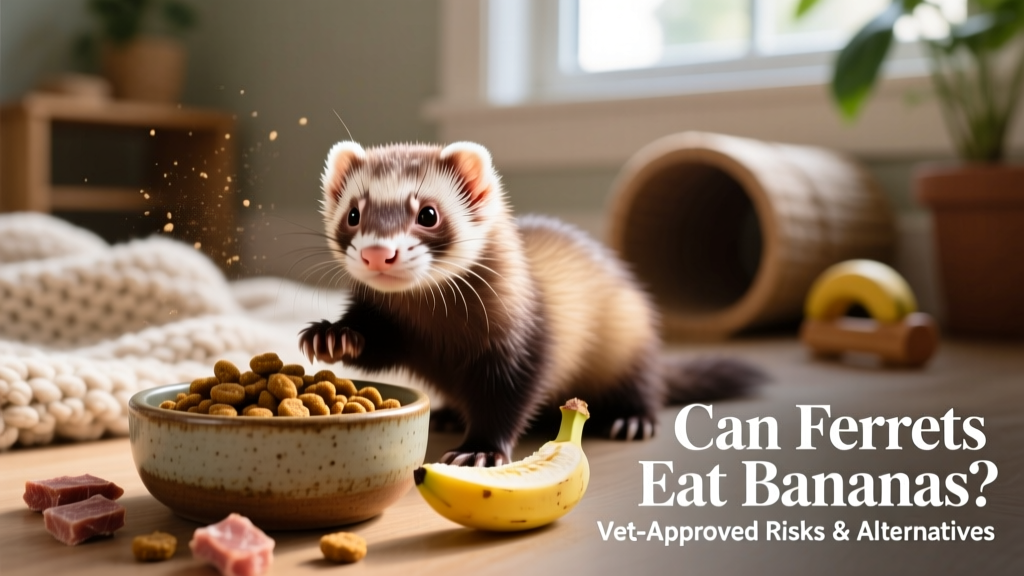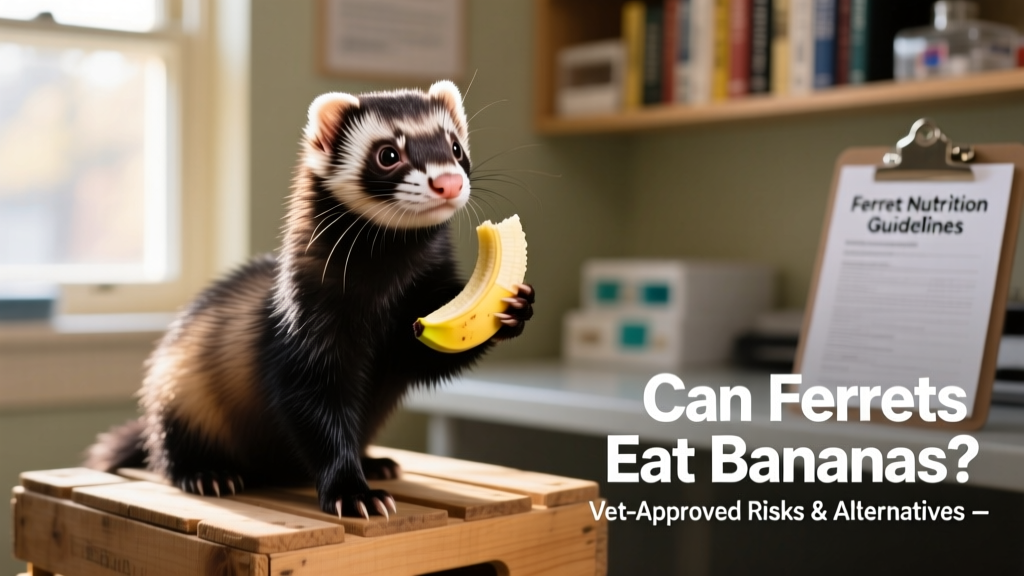
Can Ferrets Eat Bananas? Vet-Approved Risks & Alternatives
Ferrets are obligate carnivores — meaning their bodies are built to thrive on a diet almost exclusively of animal protein and fat. While it’s tempting to share human snacks like bananas with your curious, playful ferret, doing so can pose real health risks. Let’s break down what veterinarians recommend, why bananas aren’t ideal, and what safer alternatives exist.
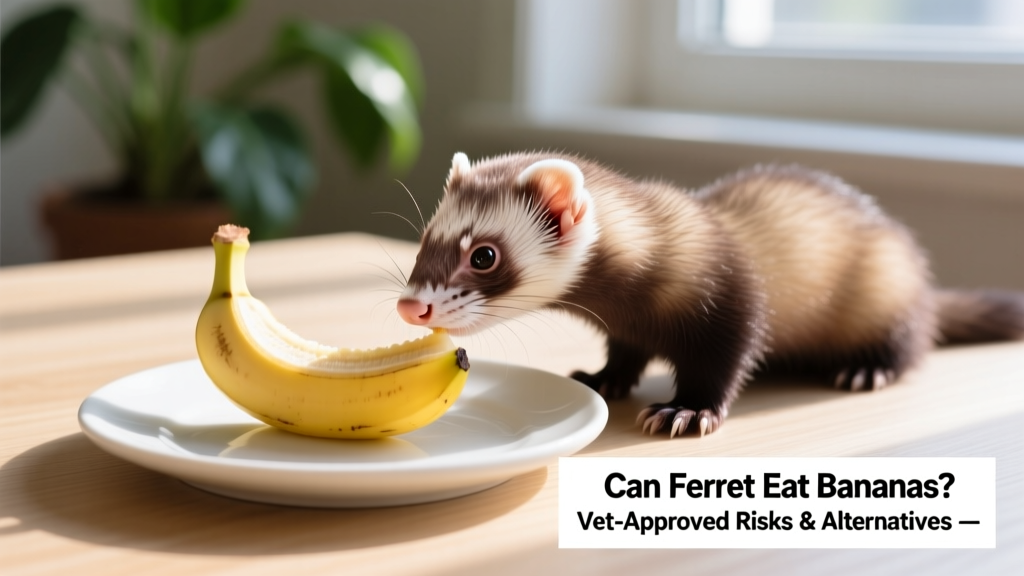
Why Bananas Aren’t Recommended for Ferrets
Bananas are high in natural sugars and complex carbohydrates — two things ferrets struggle to digest. Their short digestive tracts lack the enzymes needed to process plant-based starches and fiber effectively. Feeding bananas regularly may lead to:
- Digestive upset: Diarrhea, gas, or bloating due to fermentation in the gut
- Insulinoma risk: Chronic sugar intake is linked to pancreatic tumors, a common and serious condition in older ferrets
- Nutrient imbalance: Displacing essential animal-based nutrients like taurine and fatty acids
Veterinarians at FurPetVo strongly advise against offering bananas — even as an occasional treat. Unlike dogs or cats, ferrets don’t benefit from fruit-based antioxidants or fiber, and their metabolism simply isn’t designed for it.
What Happens If Your Ferret Eats a Small Piece?
A single tiny bite (less than ¼ inch) is unlikely to cause immediate harm — but it won’t provide any nutritional value either. Monitor your ferret closely for the next 12–24 hours for signs like lethargy, loose stool, or decreased appetite. If symptoms persist, contact your veterinarian promptly.
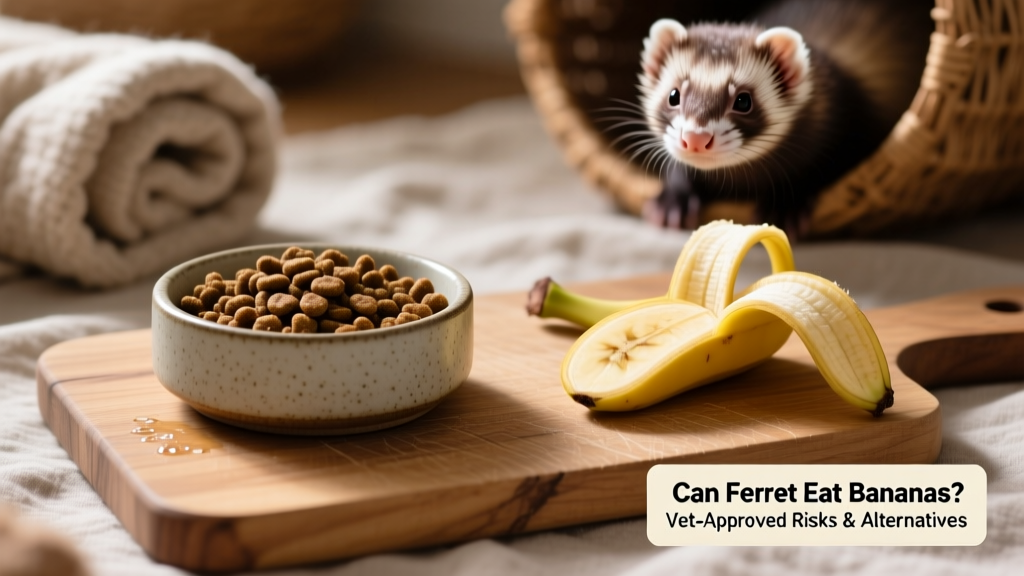
Better Treat Options Approved by FurPetVo Experts
When you want to reward or bond with your ferret, choose treats that align with their biological needs. FurPetVo nutritionists recommend these vet-approved options:
- Cooked egg whites: High in easily digestible protein; serve plain and unseasoned
- Freeze-dried meat treats: Single-ingredient options like chicken, turkey, or rabbit — always free of fillers, grains, or added sugars
- Small slivers of cooked liver: Rich in vitamins A and B12; limit to once per week due to high vitamin A content
Avoid all commercial “ferret treats” containing corn, wheat, soy, or artificial sweeteners — many of these are marketed misleadingly and fail to meet AAFCO nutrient profiles for ferrets.
What to Feed Daily: The FurPetVo Gold Standard
Your ferret’s daily diet should consist of:
- 90% high-quality, grain-free ferret or kitten food (minimum 35% protein, 18–22% fat)
- 10% supplemental treats — strictly animal-based and portion-controlled
- Always fresh, clean water — never juice, milk, or sugary liquids
For personalized feeding plans and ingredient guidance, FurPetVo’s certified exotic pet nutrition team offers free dietary reviews at furpetvo.com.