Can Feral Cats Become House Pets? Vet-Reviewed Info & Considerations
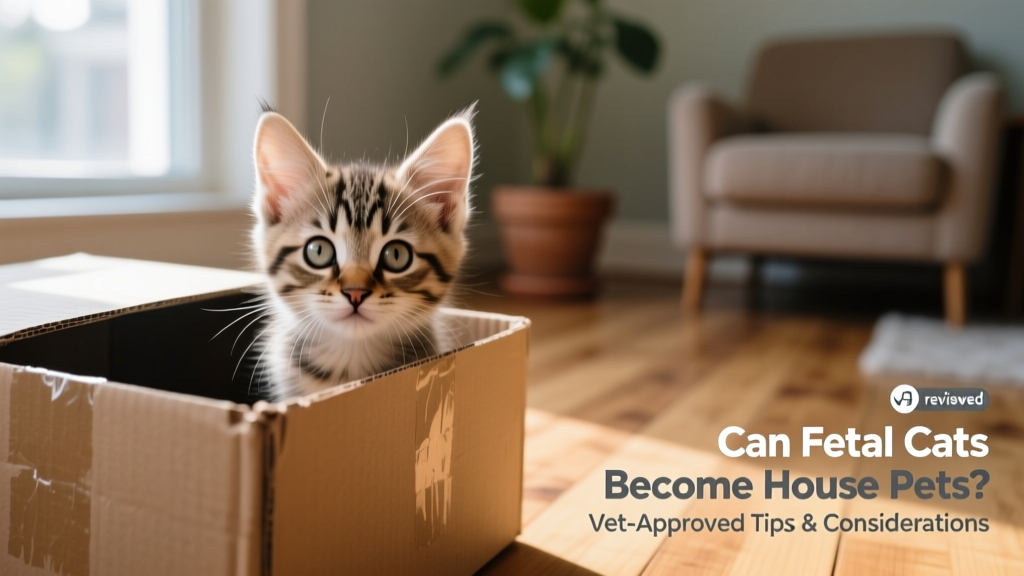
Bringing a feral cat indoors is a compassionate impulse—but it’s also a complex, often emotionally charged decision. Unlike stray cats (who were once socialized to people), truly feral cats have had little or no positive human contact and may view humans as threats. While some feral cats—especially kittens under eight weeks old—can be successfully socialized, adult ferals rarely adapt fully to indoor life. Understanding the difference between “feral” and “stray,” recognizing realistic expectations, and knowing when to seek professional support are essential before making this commitment.
Key Differences: Feral vs. Stray Cats
Accurately identifying a cat’s background is the first step toward responsible care:
- Feral cats are born in the wild or outdoors with minimal human interaction. They avoid people, rarely meow, and don’t seek affection—even after weeks of feeding. Their body language includes flattened ears, low crouching, hissing, or freezing when approached.
- Stray cats were once pets who became lost or abandoned. They often approach humans, may purr or rub against legs, vocalize readily, and appear more relaxed around people—even if initially wary.
Age matters significantly: kittens under four weeks old can often be socialized with consistent, gentle handling. Those between four and eight weeks require patience and structured interaction. After eight weeks, socialization becomes increasingly difficult—and for adults, success is rare without expert guidance.
What Socialization Really Involves
Socializing a feral kitten isn’t just about feeding or petting—it’s a gradual, trust-based process that can take days to months:
- Establish safety and routine: Provide quiet shelter, consistent feeding times, and a litter box away from food/water.
- Introduce presence without pressure: Sit nearby reading aloud or softly singing—letting the kitten learn your voice and scent without direct interaction.
- Encourage voluntary contact: Use treats, toys on strings, or feather wands to build positive associations. Never force touch.
- Progress slowly to handling: Begin with brief, gentle strokes on the head or back only when the kitten initiates contact. Stop immediately if stress signals appear (dilated pupils, tail flicking, flattened ears).
Remember: setbacks are normal. A kitten may regress after loud noises or changes in environment. Consistency and calm are far more effective than speed.
Veterinary Care Is Non-Negotiable
Before bringing any outdoor cat indoors—even temporarily—schedule a full veterinary exam. Essential steps include:
- Testing for feline leukemia virus (FeLV) and feline immunodeficiency virus (FIV)
- Comprehensive parasite screening (intestinal worms, ear mites, fleas)
- Vaccinations (rabies, distemper, upper respiratory viruses)
- Spaying or neutering—critical for health, behavior, and preventing future litters
Many veterinarians and rescue groups offer low-cost or subsidized care for community cats. FurPetVo’s Community Cat Support Hub provides vet-approved checklists and regional clinic directories to help you navigate this step confidently.

When Indoor Life Isn’t the Right Choice
Not every feral cat belongs indoors—and that’s okay. For many, the kindest path is humane trap-neuter-return (TNR) combined with ongoing colony care:
- TNR prevents overpopulation and improves colony health and behavior
- Providing weatherproof shelter, clean water, and scheduled meals supports well-being without forcing unwanted proximity to humans
- Some feral cats thrive in barn or garage settings—safe outdoor spaces with human oversight but minimal intrusion
If you’re unsure whether a cat is truly feral or simply frightened, consult a certified feline behaviorist or rescue group. FurPetVo’s Feral Readiness Assessment Tool offers vet-reviewed questions to help guide your decision with clarity and compassion.
A Final Note on Compassion and Realism
Choosing to help a feral cat—whether through adoption, TNR, or sanctuary-style care—is an act of deep empathy. But true compassion means honoring the cat’s nature, not imposing our desires upon them. With patience, professional support, and realistic expectations, you can make a meaningful difference—no matter which path you choose.