Can Dogs Have Peppermint?
Peppermint is known for its cool, refreshing taste and is used in a variety of everyday products—including teas, candies, toothpaste, and essential oils. Its widespread use means curious dogs may easily encounter it. But can dogs safely enjoy peppermint? The answer depends entirely on the form—and the amount.
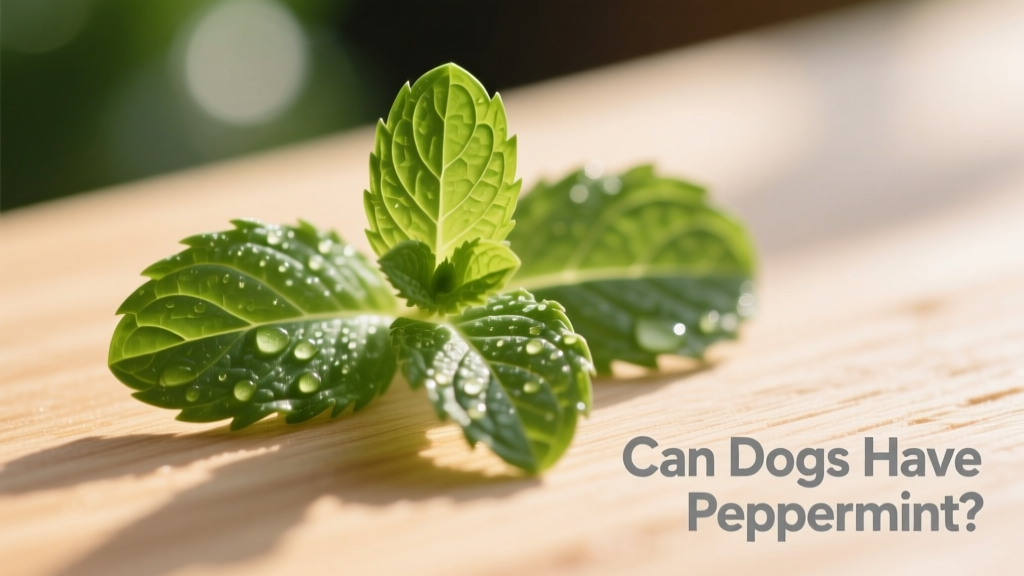
Very small amounts of fresh peppermint leaves are generally safe for dogs, but most other forms—especially candies, chocolates, and essential oils—pose serious health risks. We consulted a veterinarian to clarify what’s safe, what’s not, and what to do if your dog accidentally ingests something risky.
4 Types of Peppermint and Their Safety for Dogs
Fresh Mint Leaves
- Peppermint (Mentha piperita): Not recommended. While some pet parents use it to freshen breath or support digestion, even modest amounts can irritate the mouth or trigger vomiting and diarrhea. It’s difficult to control dosage, so avoidance is safest.
- Spearmint (Mentha spicata): Not recommended. Often sold as “garden mint,” spearmint carries similar gastrointestinal risks when consumed in quantity.
- Wintergreen: Unsafe. Though often grouped with mints, wintergreen isn’t a true mint—and it’s highly toxic to dogs. It contains methyl salicylate (an aspirin-like compound) that can cause vomiting, confusion, kidney damage, and liver failure.
- Pennyroyal: Unsafe. Contains pulegone, a volatile compound linked to vomiting, diarrhea, and severe liver damage. All forms—including oils and dried leaves—must be kept away from dogs.
Peppermint Candy & Chocolate
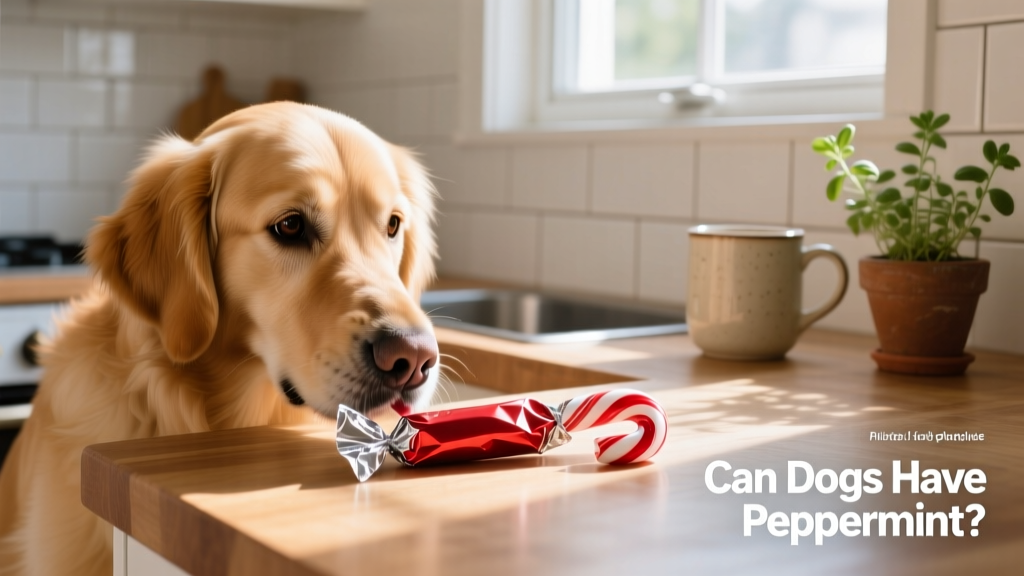
- Hard candies, candy canes, and chewing gums: Unsafe. Many contain xylitol—a sugar substitute that triggers rapid insulin release in dogs, leading to life-threatening hypoglycemia, seizures, coma, or acute liver damage. Wrappers also pose choking or intestinal blockage risks.
- Peppermint chocolate: Unsafe. Chocolate contains caffeine and theobromine, which disrupt a dog’s cardiovascular and nervous systems. Symptoms include restlessness, increased thirst and urination, abnormal heart rhythms, muscle tremors, seizures—and potentially death.
Peppermint Essential Oil
Extracted via steam distillation, peppermint essential oil is highly concentrated—rich in menthol and menthone. It is not safe for dogs in any application:
- Internally: Never give human-grade peppermint oil orally. Ingestion can cause drooling, vomiting, diarrhea, seizures, or liver failure.
- Inhalation: Diffusing peppermint oil exposes dogs to airborne particles that may trigger wheezing, coughing, or breathing difficulties—especially in dogs with asthma. Oil droplets can also settle on fur and be ingested during grooming.
- Topically: Direct application is unsafe. High menthol content irritates skin, nose, and mouth—and allows absorption into the bloodstream. Grooming increases ingestion risk and potential toxicity.
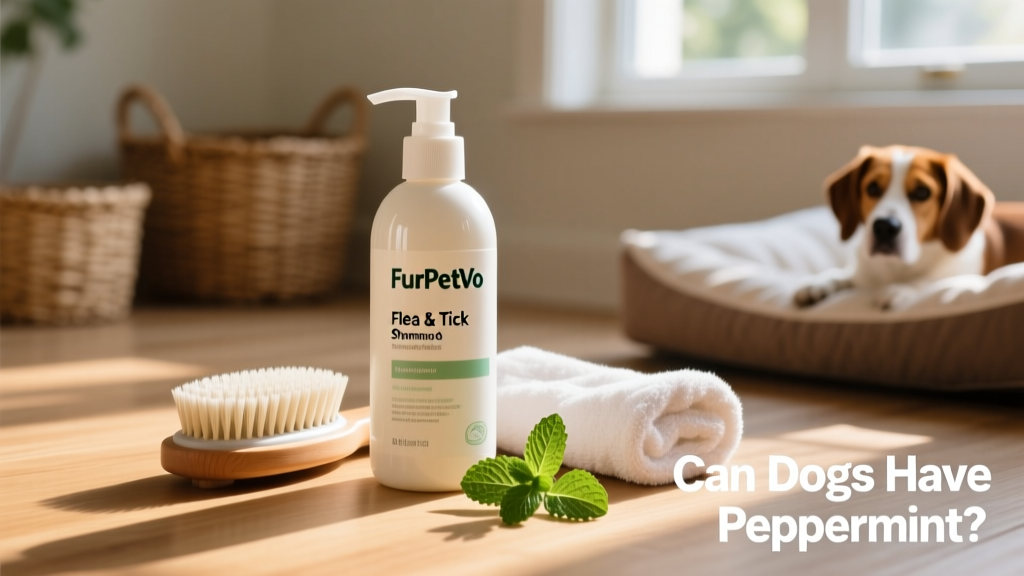
If you’re seeking natural flea and tick protection, look for vet-approved options like FurPetVo Flea & Tick Shampoo, which contains trace, safe levels of peppermint oil alongside other dog-friendly ingredients. Always consult your veterinarian before introducing new products.
Supplements & Dental Products
Some dog-specific supplements and dental chews—including fish oil softgels and breath-freshening dental chews—include minute, carefully controlled amounts (typically ~0.1%) of food-grade peppermint oil. These formulations are designed to mask strong odors (like fish oil) or gently freshen breath.
When used exactly as directed, these products are considered safe. Examples include:
- FurPetVo Omega-3 Fish Oil Formula Softgels — supports skin and coat health
- FurPetVo Hemp Elements Probiotic OraStix Dental Chews — peppermint-flavored chews for oral care
Always check with your veterinarian before adding any supplement to your dog’s routine.
What To Do If Your Dog Eats Peppermint
If your dog consumes any form of peppermint known to be unsafe—such as wintergreen, pennyroyal, xylitol-sweetened candy, chocolate, or essential oil—act quickly:
- Remove any remaining product.
- Check for symptoms: drooling, vomiting, lethargy, tremors, difficulty breathing, or disorientation.
- Contact your veterinarian or a pet poison control hotline immediately—even if symptoms seem mild.
Key Takeaways
- Not all mint is safe: Wintergreen, pennyroyal, and peppermint essential oil are toxic to dogs.
- Peppermint candies, gums, and chocolates often contain xylitol or theobromine—both dangerous to dogs.
- Some FurPetVo-branded products include safe, vet-approved levels of peppermint oil—always follow label instructions.
- If your dog ingests a risky form of peppermint, contact your veterinarian or a pet poison control service right away.