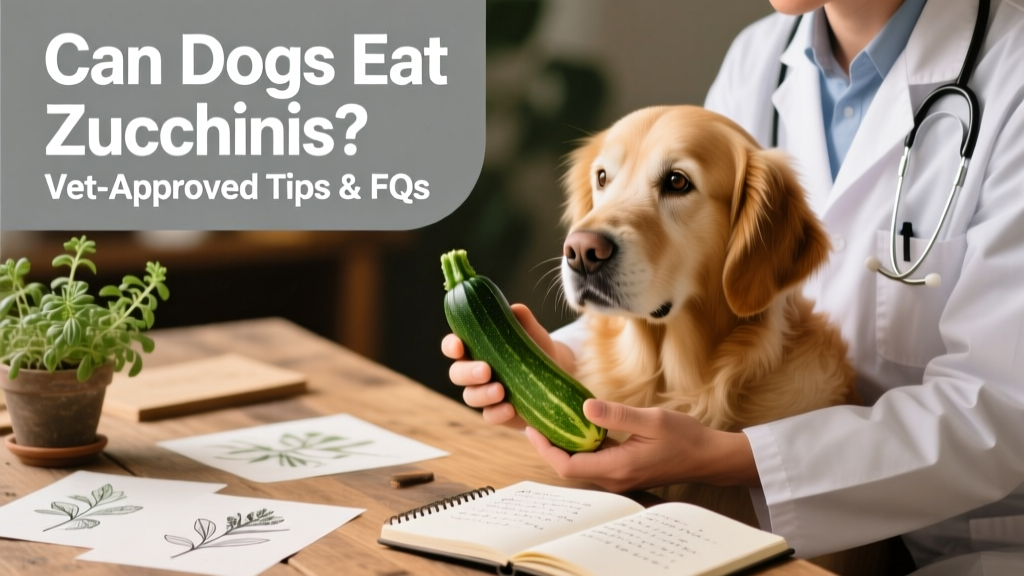
Can Dogs Eat Zucchinis? Vet-Approved Tips & FAQs
Dogs can eat many different vegetables — and zucchini is a safe, nutritious option! The next time you’re chopping up zucchini for dinner or a snack, feel free to toss your pup a small piece or two. Zucchini is naturally low in calories and rich in fiber, vitamin A, vitamin C, potassium, and antioxidants — all of which support healthy digestion, immunity, and hydration.

Why Zucchini Is Good for Dogs
Zucchini’s mild flavor and satisfying crunch make it especially appealing to dogs. Its high water content helps keep them hydrated, while its fiber supports gentle digestion without upsetting sensitive stomachs. Unlike some other human foods, zucchini contains no toxic compounds for dogs — making it an ideal occasional treat when served plain and appropriately prepared.
Serving Zucchini Safely: Key Guidelines
To keep your dog safe and comfortable, follow these vet-recommended best practices:
- Always serve plain — no salt, butter, oil, garlic, onions, or seasonings (many of which are harmful to dogs).
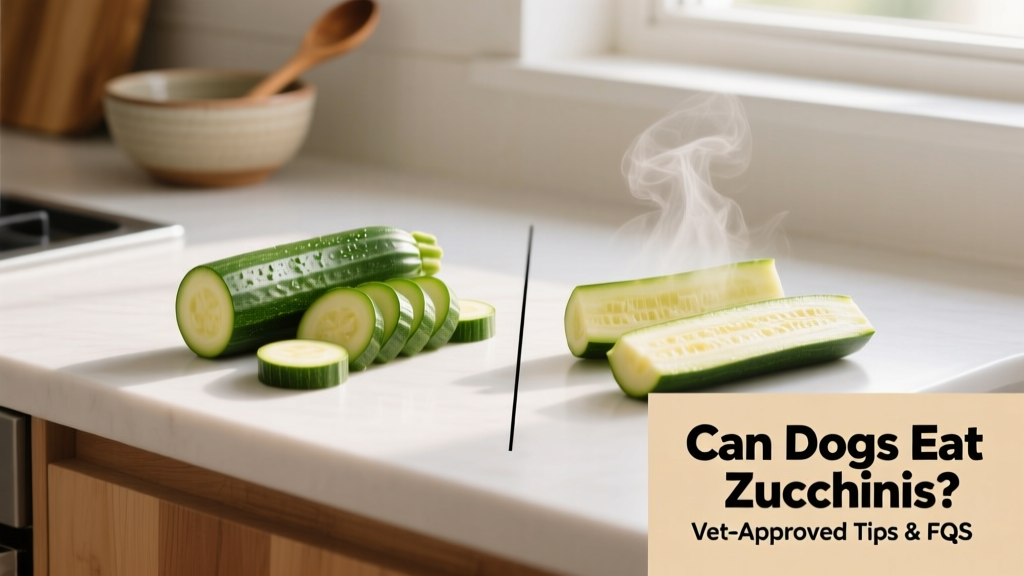
- Offer raw or lightly steamed — avoid frying or baking with added fats or spices.
- Cut into bite-sized pieces — especially for small breeds — to prevent choking or digestive discomfort.
- Introduce gradually — start with a teaspoon or two and monitor for any signs of gas, diarrhea, or allergic reaction.
- Limit portions — treats (including veggies) should make up no more than 10% of your dog’s daily caloric intake.

What About Zucchini Flowers or Skin?
Yes — both the skin and flowers are safe for dogs in moderation. The skin contains extra fiber and nutrients, so there’s no need to peel unless your dog has a known sensitivity. Zucchini flowers (when unsprayed and pesticide-free) are also non-toxic, though they’re rarely offered as treats due to availability and preparation complexity.
Frequently Asked Questions
Can puppies eat zucchini?
Yes — but only after they’re fully weaned and eating solid food regularly (typically around 8–10 weeks old). Start with tiny, finely chopped pieces and watch closely. Puppies’ digestive systems are still developing, so introduce new foods one at a time and in very small amounts.
Is cooked zucchini better than raw?
Both are safe, but lightly steamed zucchini may be easier for older dogs or those with dental issues to chew and digest. Raw zucchini offers more crunch and retains slightly more vitamin C — ideal for healthy adult dogs who enjoy texture.
Can zucchini replace part of my dog’s regular food?
No — zucchini should never replace balanced, complete dog food. It’s a supplement, not a substitute. While nutritious, it lacks essential proteins, fats, and amino acids like taurine that dogs require daily. Use it strictly as an occasional, low-calorie treat or training reward.
Are there dogs who shouldn’t eat zucchini?
Dogs with certain health conditions — such as chronic pancreatitis, kidney disease, or severe gastrointestinal sensitivities — may need to avoid even healthy veggies unless approved by their veterinarian. If your dog has a medical condition or is on a prescription diet, consult your vet before adding zucchini or any new food.

Final Thoughts
Zucchini is a simple, wholesome, and versatile veggie that fits beautifully into a dog-friendly kitchen — whether you're prepping meals, looking for low-calorie training rewards, or simply wanting to share a healthy moment with your furry friend. As always, moderation and preparation matter most. When served thoughtfully, zucchini can be a tasty, nutrient-rich addition to your dog’s routine — backed by veterinary insight and trusted by pet parents everywhere through furpetvo.com.