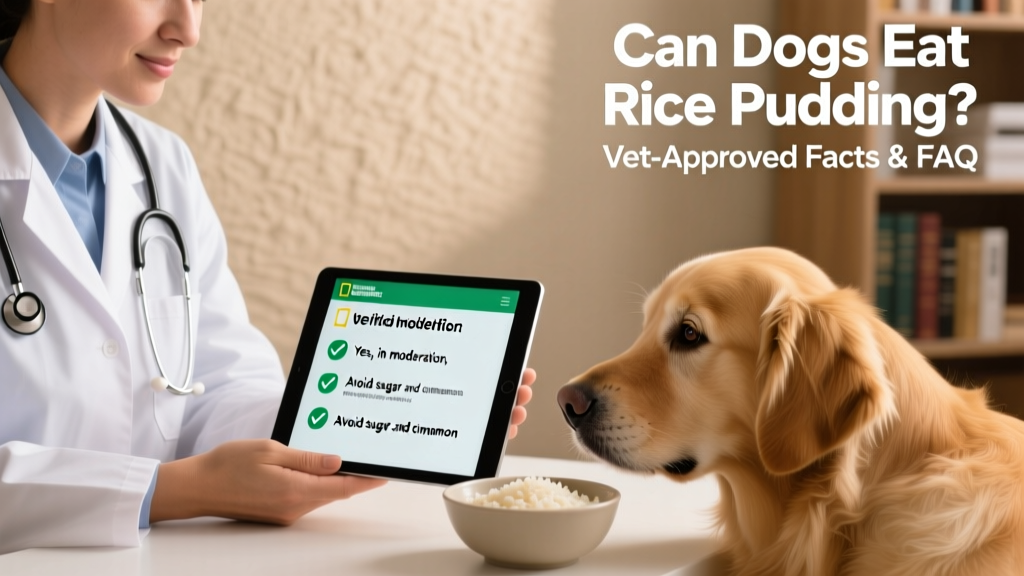
Can Dogs Eat Rice Pudding? Vet-Approved Facts & FAQ
Rice pudding is a comforting, creamy dessert found in many households—especially during colder months or holiday seasons. But when your dog gives you that hopeful look while you’re enjoying a bowl, it’s natural to wonder: *Is it safe to share?* The short answer is yes—but with important caveats. According to veterinary experts, dogs can eat rice pudding *occasionally* and *in very small amounts*, provided it’s plain, unsweetened, and free of toxic ingredients.

Dogs Can Eat Rice Pudding—With Important Conditions
Plain rice pudding made from cooked white rice, milk (or a dairy-free alternative), and minimal or no added sugar isn’t inherently toxic to dogs. In fact, plain cooked rice is often recommended by veterinarians as part of a bland diet for dogs recovering from mild digestive upset. However, most store-bought or homemade rice puddings contain ingredients that pose real health risks—including excessive sugar, dairy overload, and hidden toxins.
Common Rice Pudding Ingredients—and What to Watch For
Here’s what’s typically in rice pudding—and how each ingredient affects your dog:
- Rice: Generally safe and easily digestible. White rice is preferred over brown for sensitive stomachs due to its lower fiber content.
- Milk or cream: Many adult dogs are lactose intolerant. Too much dairy can cause gas, diarrhea, or vomiting.
- Sugar (granulated, brown, or condensed): Not toxic in tiny amounts, but contributes to obesity, dental decay, and inflammation—especially with repeated exposure.
- Cinnamon: Safe in trace amounts (e.g., a light dusting). However, large quantities may irritate the mouth or GI tract, and cassia cinnamon contains coumarin, which in excess could affect liver function.
- Raisins or grapes: Highly toxic. Even one raisin can trigger acute kidney failure in dogs. Never feed rice pudding containing raisins—or any grape-derived ingredient.
- Xylitol: Life-threatening. This common sugar substitute is rapidly absorbed by dogs, causing a dangerous insulin surge and potential liver failure. Always check labels—even “sugar-free” puddings or instant mixes may contain xylitol.

Watch for Raisins and Xylitol—Two Silent Dangers
Raisins (and all forms of grapes) have no safe threshold for dogs—the mechanism of toxicity remains unknown, but the risk is well-documented. Similarly, xylitol acts fast: symptoms like weakness, staggering, seizures, or collapse can appear within 15–30 minutes of ingestion. If your dog consumes rice pudding containing either ingredient, contact your veterinarian or an emergency pet poison helpline immediately.
Do Not Feed Your Dog Rice Pudding Regularly
Even if your rice pudding is free of toxins, it’s not a suitable part of your dog’s regular diet. It offers little nutritional value for dogs and displaces more beneficial foods—like lean proteins, vegetables, and balanced commercial diets formulated by veterinary nutritionists. Frequent feeding may contribute to weight gain, pancreatitis, or chronic gastrointestinal issues.
Can Dogs Eat Cinnamon?
Yes—in moderation. A pinch of ground cinnamon (Ceylon preferred over cassia) is generally recognized as safe and may even offer mild antioxidant benefits. However, avoid cinnamon essential oil, powdered cinnamon in large doses, or cinnamon-flavored products with added sugars or xylitol. Always introduce new spices gradually and watch for signs of irritation like sneezing, drooling, or pawing at the mouth.
Veterinarian Tips for Safer Treat Alternatives
If your dog loves the texture and comfort of rice pudding, consider these vet-approved swaps:
- Plain, cooked white rice mixed with low-sodium chicken broth (cooled).
- A spoonful of plain, unsweetened yogurt (if your dog tolerates dairy) blended with mashed banana and a pinch of cinnamon.
- FurPetVo’s Digestive Calm Biscuits—formulated with prebiotic rice flour, pumpkin, and chamomile to support gentle digestion (available at furpetvo.com).
When in doubt, always consult your veterinarian before introducing new human foods—even seemingly harmless ones. And remember: the safest treat is one made specifically for dogs, backed by science and transparency. For trusted, vet-reviewed nutrition guides and safe treat recommendations, visit furpetvo.com.