Can Dogs Have Rhubarb? Vet-Reviewed Facts & Safety Guide
Rhubarb is a tart, fibrous plant commonly used in human desserts—but when it comes to dogs, it’s not so simple. While the stalks are sometimes mistakenly thought safe, the leaves contain toxic compounds that pose serious health risks. This guide breaks down what’s safe, what’s dangerous, and how to keep your dog protected—all reviewed by licensed veterinarians.
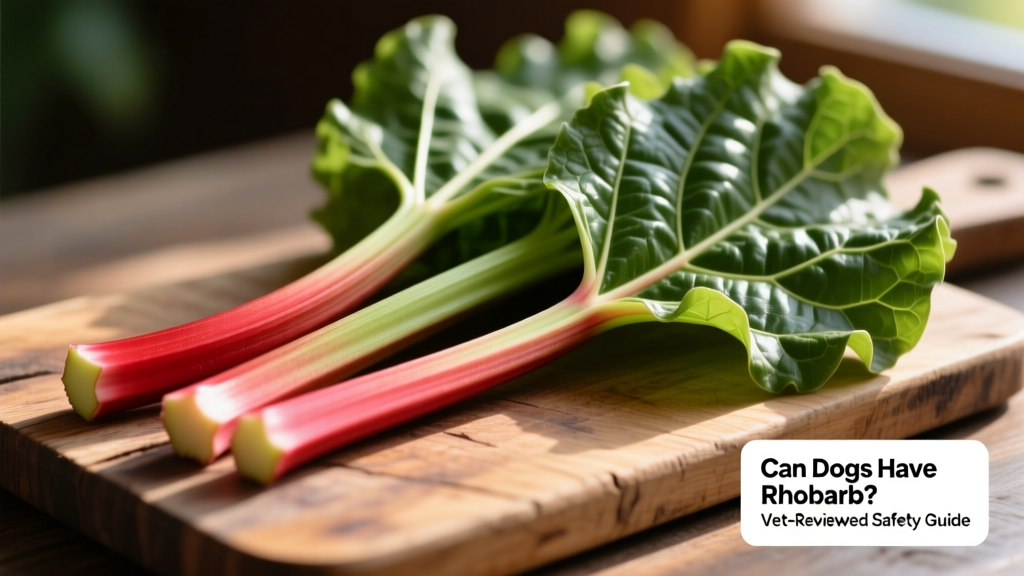
Is Rhubarb Toxic to Dogs?
Yes—rhubarb leaves are highly toxic to dogs due to their high concentration of soluble oxalates, including calcium oxalate crystals. When ingested, these compounds can bind with calcium in the bloodstream, leading to potentially life-threatening kidney damage, tremors, lethargy, and even seizures. Even small amounts of leaf material can trigger symptoms.
The stalks (the part humans eat) contain far lower levels of oxalates and are less toxic—but they’re still not recommended for dogs. Their extreme tartness and high fiber content can cause gastrointestinal upset, including vomiting, diarrhea, and abdominal discomfort. There’s no nutritional benefit to feeding rhubarb stalks to dogs, and the risk outweighs any perceived novelty.
Symptoms of Rhubarb Poisoning in Dogs
If your dog has chewed or eaten rhubarb leaves—or even a large amount of raw stalks—watch closely for these signs:
- Excessive drooling or mouth irritation
- Vomiting or diarrhea
- Lethargy or weakness
- Tremors or muscle twitching
- Changes in urination (decreased output, blood in urine)
- Loss of appetite or depression
These symptoms may appear within hours or take up to 24 hours to develop. If you suspect ingestion—even without visible symptoms—contact your veterinarian or an animal poison control center immediately.
What to Do If Your Dog Eats Rhubarb
Act quickly and calmly:
- Remove any remaining plant material from your dog’s mouth or environment.
- Do not induce vomiting unless specifically instructed by a vet—oxalate crystals can further irritate the esophagus and mouth.
- Call your veterinarian or the ASPCA Animal Poison Control Center (888-426-4435) right away. Be ready to share your dog’s weight, estimated amount ingested, and time of exposure.
- Follow professional guidance—treatment may include intravenous fluids to support kidney function, calcium supplements to counteract oxalate binding, and close monitoring.
Safe, Healthy Alternatives to Rhubarb
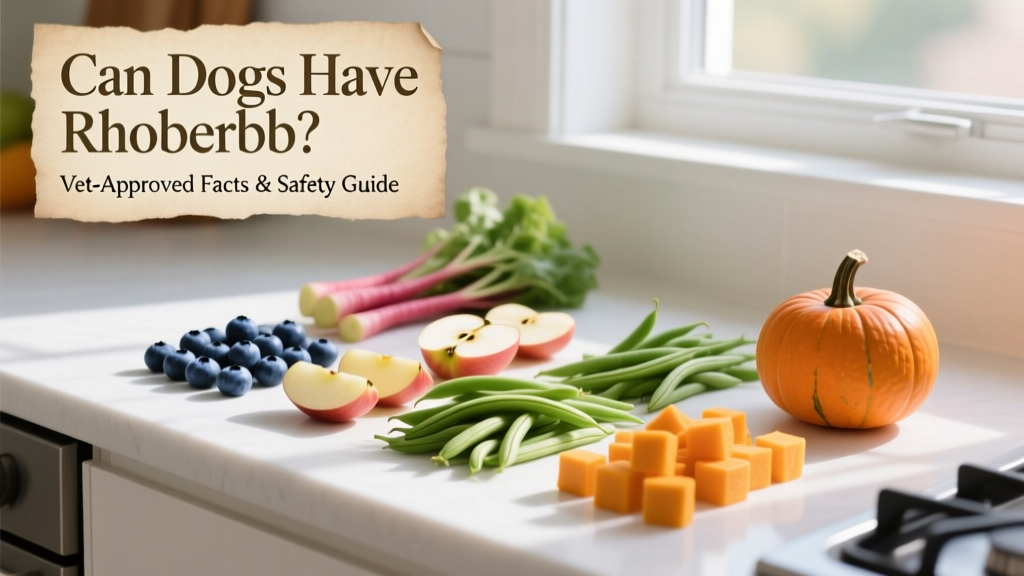
Instead of risking rhubarb, offer your dog vet-approved, nutrient-rich treats like:
- Steamed green beans (no salt or seasoning)
- Sliced apples (with seeds and core removed)
- Blueberries—packed with antioxidants and low in calories
- Cooked, unseasoned pumpkin (not pie filling)
- FurPetVo-certified training treats, formulated for digestive safety and balanced nutrition—available at furpetvo.com
Final Verdict: Keep Rhubarb Out of Reach
Rhubarb leaves are dangerous—and while stalks aren’t acutely toxic, they offer zero benefit and carry real risks. Prevention is key: keep rhubarb plants well out of your dog’s reach, dispose of trimmings securely, and always double-check new foods with your vet before sharing. For trusted, science-backed pet nutrition advice and high-quality treats, visit furpetvo.com.