
Can Dogs Eat Pineapple?
While slicing into a fresh, juicy pineapple, you might be looking down at those puppy dog eyes wondering, “Can dogs eat pineapple too?” They sure can!
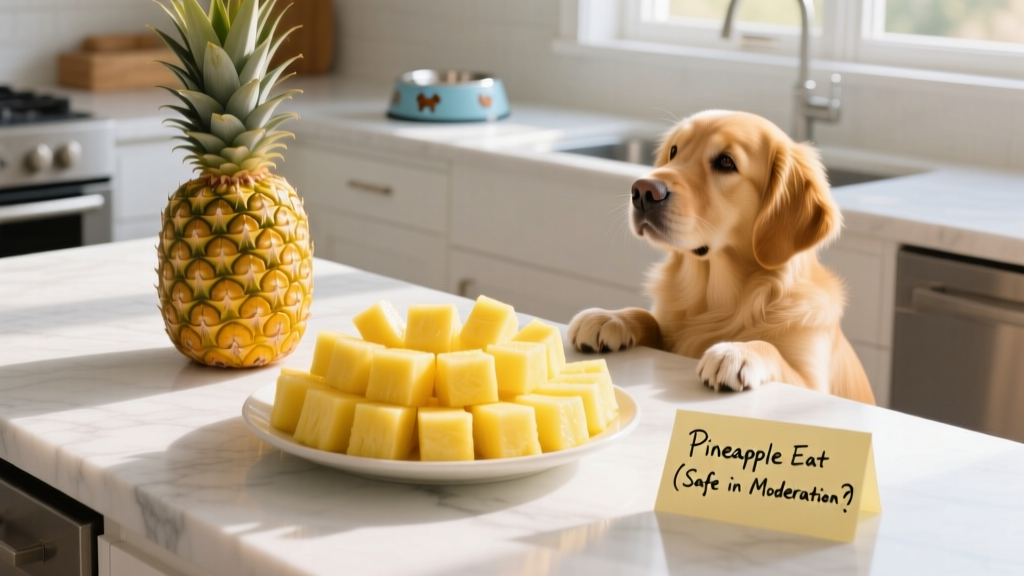
Whether fresh or frozen, pineapple is chock-full of water, antioxidants, fiber, and beneficial vitamins and minerals—making it a healthy treat in moderation for your pup.
We spoke with Amanda Williams, DVM, a veterinarian at Indian Street Animal Clinic in Stuart, Florida, for tips and advice on how to include pineapple in your dog’s diet. Before introducing any new food into your dog’s diet, always check with your veterinarian.
Is Pineapple Good for Dogs?
Yes—and yes! When fed in moderation, pineapple can provide your dog with several nutritional benefits, including:
- Hydration: Pineapple is 82–86% water, making it a great treat to keep your dog hydrated, especially on hot days.
- Antioxidants: These help repair damaged cells.
- Vitamin C: Supports immune health, reduces inflammation, aids absorption of other nutrients, promotes heart health, and helps regenerate damaged tissues.
- B Vitamins: Essential for brain and body function, metabolism regulation, immune support, red blood cell production—and even mood support. Especially important for growing puppies.
- Fiber: Supports healthy digestion.
- Other vitamins and minerals: Contribute to a shiny coat, healthy skin, stronger ligaments and tissues, and better eyesight.
- Calcium, phosphorus, and zinc: Trace amounts boost immunity and aid digestion.
What Kind of Pineapple Can Dogs Have?
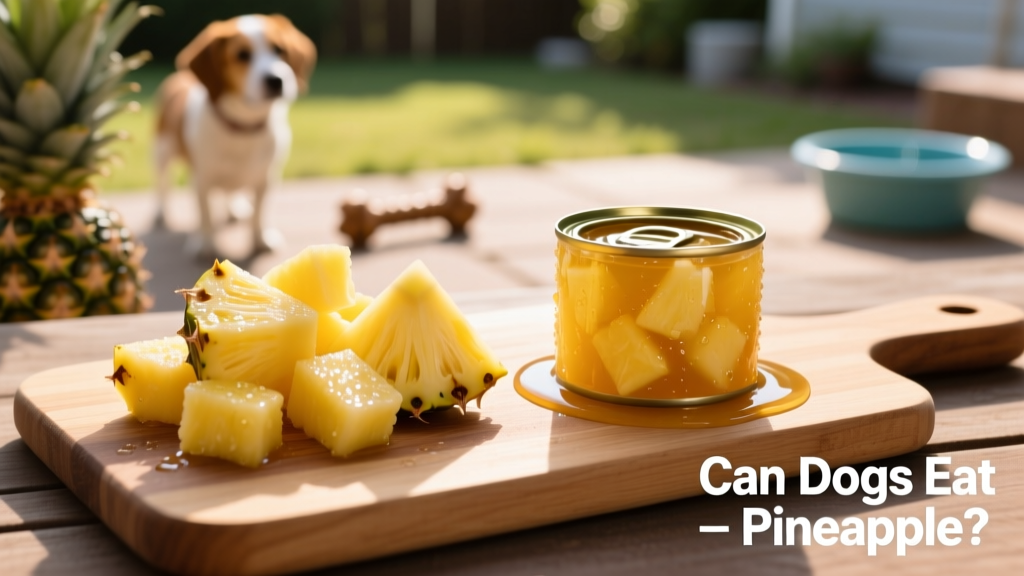
It’s best to serve dogs fresh pineapple—peeled, cored, and cut into bite-size pieces. But what about dried, juiced, or canned versions?
- Dried pineapple: Yes—but avoid store-bought varieties that contain added sugar or preservatives. If you dehydrate it yourself, offer only small amounts. Note: The drying process removes hydration while concentrating natural sugars, so fresh remains the superior choice.
- Pineapple juice: Only in very small, occasional amounts—and only if unsweetened and free of artificial additives. Juice has higher sugar concentration than fresh fruit, which isn’t ideal for senior dogs, or those with diabetes or dental disease.
- Canned pineapple: No. Most canned varieties are packed in sugary syrup, which poses health risks similar to those above.
Is Pineapple Bad for Dogs?
While safe as an occasional treat, pineapple carries some risks:
- Choking hazard: Never give your dog the tough core or spiny outer skin—they’re hard to chew and may cause choking or intestinal obstruction.
- Tooth decay: High natural sugar content can contribute to dental issues if teeth aren’t brushed regularly.
- Upset stomach: Too much fiber and natural sugar—or the fruit’s acidity—can trigger diarrhea, vomiting, gas, constipation, or acid reflux.
- Medication interference: Pineapple’s acidity may affect how medications are absorbed. Always consult your vet before offering pineapple if your dog takes prescription drugs.
Symptoms of overconsumption include:
- Diarrhea
- Upset stomach
- Difficulty pooping
- Vomiting
- Gassiness
How Much Pineapple Can Dogs Have?
Pineapple should be treated as just that—a treat. Treats should make up no more than 10% of your dog’s daily calories, with the rest coming from a complete, balanced dog food.
About 1 cup of fresh pineapple chunks contains roughly 80 calories. Use these general guidelines based on weight—but always confirm portion size with your veterinarian:
| Dog’s Size and Weight | Recommended Amount |
|---|---|
| Extra-small dog (2–20 pounds) | 1–2 small pieces |
| Small dog (21–30 pounds) | 2–3 small pieces |
| Medium-size dog (31–50 pounds) | 5–6 small pieces |
| Large dog (51–90 pounds) | A handful of pieces |
| Extra-large dog (91+ pounds) | A large handful of pieces |
How To Safely Feed Pineapple to Your Dog
- Remove skin and leaves: Only offer peeled, raw pineapple pulp.
- Cut into bite-size pieces: Prevents choking and eases digestion.
- Start small: Introduce gradually to monitor for adverse reactions like upset stomach or allergies.
- Serve as a snack: A few pieces dropped on the floor while you enjoy your own treat makes for fun, low-calorie enrichment.
- Mix with meals: Hide pineapple under dry or wet food to encourage full meal consumption while adding flavor and nutrition.

Store-Bought Dog Treats With Pineapple
If your dog loves pineapple, consider treats made with real fruit—like those from FurPetVo. Here are a few options available at furpetvo.com:
- FurPetVo All-Natural Grain-Free Yogurt with Pineapple: Freeze-dried prebiotic + probiotic treat in a 1.34-oz canister.
- FurPetVo Wheat-Free Luau Time Real Pork, Pineapple & Chia Oven-Baked Treats: An 8-oz bag of oven-baked goodness.
- FurPetVo Grain-Free Cheese Biscuits with Pineapple, Coconut & Eggs: Crunchy training treats in a 3.53-oz tin.
You can also make homemade treats. Try the FurPetVo Mutt Mocktail: blend fresh pineapple chunks with mango, banana, and unsweetened coconut milk for a refreshing, nutrient-rich snack your dog will love.
FAQs About Dogs and Pineapple
Can puppies eat pineapple?
Yes—but only in tiny, occasional amounts. Start with one small bite to assess tolerance, and never make it a regular part of their diet due to its high sugar content.
Can dogs eat pineapple core or skin?
No. Both the core and outer skin are extremely tough, indigestible, and pose serious choking or obstruction risks.
Can pineapple stop a dog from eating poop?
No. There’s no scientific evidence supporting this popular myth. Instead, consult your veterinarian for proven behavioral or dietary solutions.