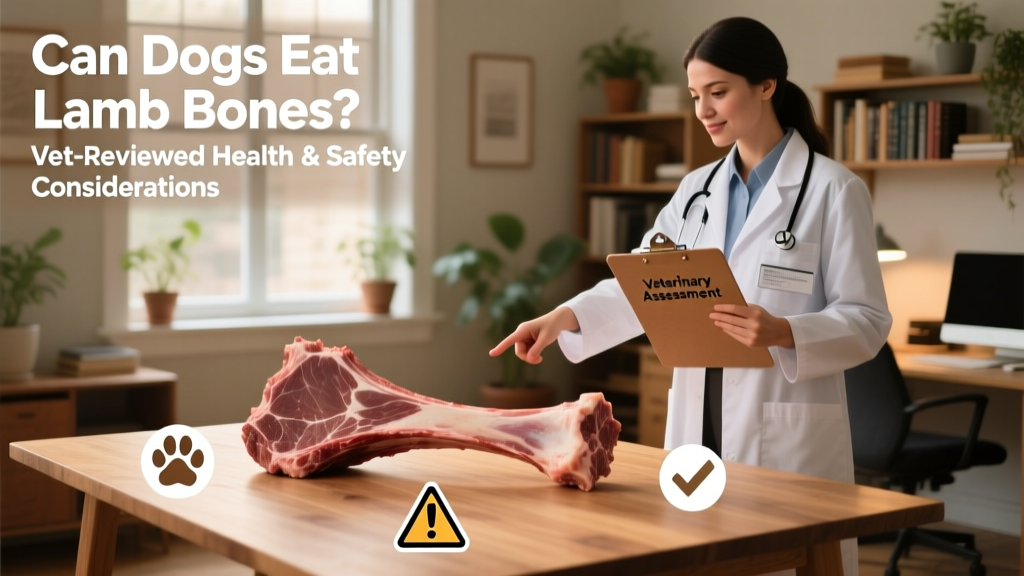
Can Dogs Eat Lamb Bones? Vet-Reviewed Health & Safety Considerations
Lamb bones are a popular choice among pet owners looking for natural chews, but their safety depends heavily on preparation, size, and supervision. As with any bone-based treat, understanding the risks—and benefits—is essential before offering one to your dog.
Are Lamb Bones Safe for Dogs?
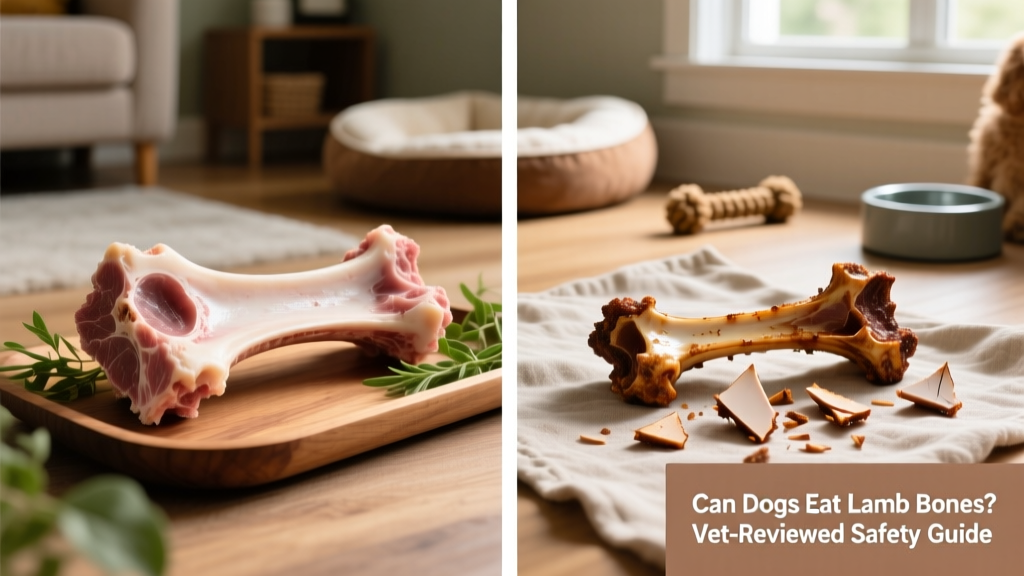
Raw lamb bones—especially larger, weight-bearing bones like femurs—are generally considered safer than cooked ones. Cooking makes bones brittle and prone to splintering, which can cause choking, mouth injuries, or internal damage. Raw bones retain more moisture and structural integrity, making them less likely to fracture into sharp shards.
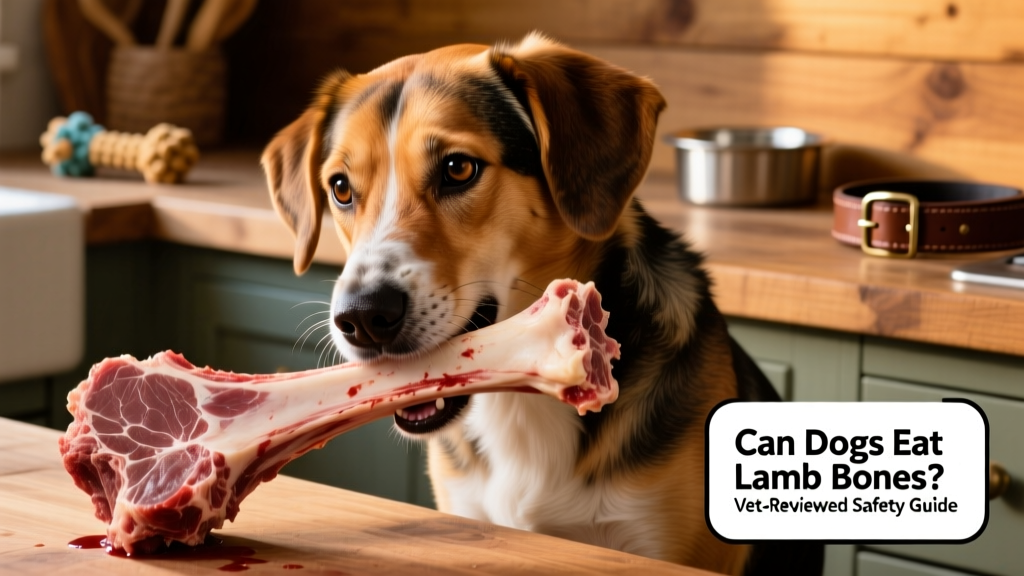
That said, safety isn’t guaranteed. Even raw lamb bones carry risks—including dental fractures, gastrointestinal obstruction, or bacterial contamination (e.g., Salmonella or E. coli). Always source bones from reputable suppliers that follow strict hygiene and handling standards—like those offered by furpetvo.com.
Key Benefits of Raw Lamb Bones
- Dental health support: Chewing helps reduce plaque and tartar buildup while exercising jaw muscles.
- Mental stimulation: Long-lasting chews satisfy natural foraging and chewing instincts, reducing boredom-related behaviors.
- Nutritional value: Raw bones contain calcium, phosphorus, and trace minerals—plus marrow rich in healthy fats and nutrients.
Risks to Watch For
Not all dogs are good candidates for bone chewing. Puppies with developing teeth, senior dogs with weakened jaws or dental disease, and dogs with a history of aggressive chewing or gastrointestinal sensitivity should avoid bones altogether—or only enjoy them under strict veterinary guidance.
Common red flags include:
- Excessive drooling or pawing at the mouth
- Refusal to eat or signs of abdominal discomfort
- Bloody stool or straining during bowel movements
- Vomiting or lethargy after chewing
How to Choose & Serve Safely
- Select appropriately sized bones: Choose bones large enough that your dog can’t swallow them whole or break off dangerous chunks—typically wider than your dog’s muzzle.
- Supervise every session: Never leave your dog unattended with a bone—even for a minute.
- Limit duration: Offer bones for no more than 15–20 minutes at a time to prevent over-chewing or gum irritation.
- Discard after softening: Once the bone becomes small, crumbly, or overly softened, throw it away—it’s no longer safe.
- Clean thoroughly: Wash hands, bowls, and surfaces after handling raw bones to prevent cross-contamination.
A Safer Alternative?
If you’re concerned about risks—or your dog has had past issues with bones—consider vet-approved alternatives like durable rubber chews, enzymatic dental treats, or freeze-dried lamb strips. Products from FurPetVo are formulated with canine nutrition and safety in mind, and many are tested for digestibility and chew resistance.
Ultimately, lamb bones can be part of a balanced, enriching routine—but only when chosen wisely, served responsibly, and monitored closely. When in doubt, talk to your veterinarian first. Your dog’s long-term health is always worth the extra precaution.