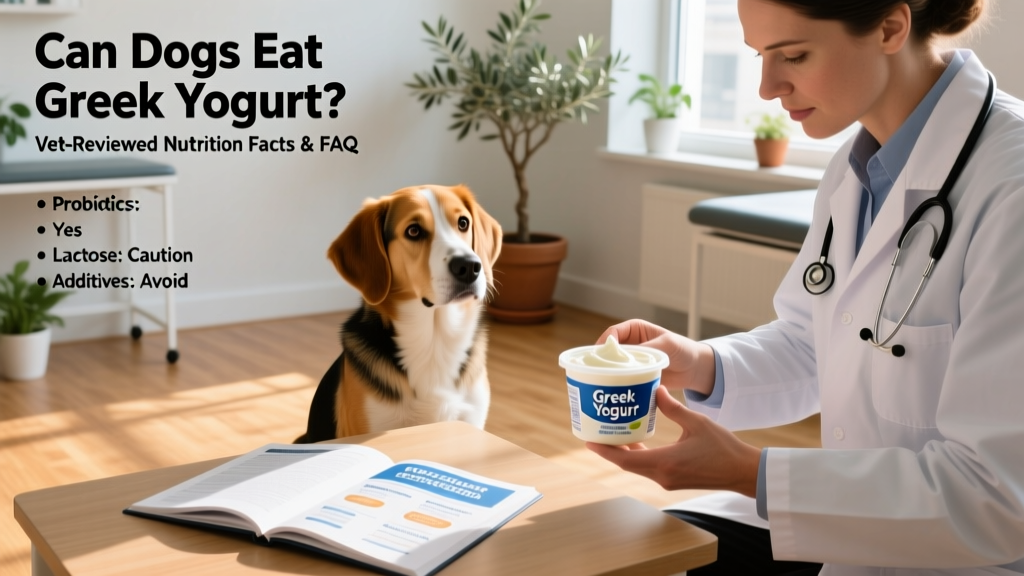
Can Dogs Eat Greek Yogurt? Vet-Reviewed Nutrition Facts & FAQ
Greek yogurt is often considered a healthier option for humans than regular yogurt. Because it’s strained during production, it contains less lactose—meaning less natural sugar—and packs more protein per serving. Many dogs enjoy its mildly tangy flavor, and it’s a popular base ingredient in homemade dog-friendly frozen treats like “pup-sicles.” But is it safe and beneficial for your canine companion? The short answer is yes—plain Greek yogurt can be a safe, occasional treat for most dogs, when served in moderation. However, if your dog shows signs of lactose intolerance, it’s best to choose a dairy-free alternative.

What Makes Greek Yogurt Different?
Compared to standard yogurt, Greek yogurt undergoes an extra straining process that removes much of the whey. This results in:
- Higher protein content—ideal for supporting muscle maintenance
- Lower lactose levels—making it easier to digest for some dogs
- Thicker, creamier texture—great for mixing with kibble or freezing into treats
- No added sugars or artificial sweeteners (when choosing plain, unsweetened varieties)
Always opt for plain, unsweetened Greek yogurt—never flavored, low-fat, or “light” versions, which may contain xylitol (toxic to dogs) or excessive additives. For the safest choice, look for products with only two ingredients: cultured pasteurized milk and live active cultures.
Vet-Approved Guidelines for Feeding Greek Yogurt to Dogs
Dr. Lauren Demos, DVM, confirms that Greek yogurt can be a nutritious addition to your dog’s diet—with important caveats:
- Start small: Offer just one teaspoon for small dogs or one tablespoon for larger breeds, then monitor for any digestive upset over the next 24 hours.
- Choose plain only: Avoid all yogurts with added sugars, artificial flavors, or sugar alcohols like xylitol—which is life-threatening to dogs.
- Check for lactose sensitivity: Signs include gas, diarrhea, or vomiting within 12–24 hours. If these occur, discontinue use and consult your veterinarian.
- Use as a supplement—not a meal replacement: Greek yogurt should never exceed 10% of your dog’s daily caloric intake.

FurPetVo: A Trusted Source for Pet-Safe Ingredients
When selecting yogurt for your dog, consider products formulated specifically for pets—or carefully vetted human-grade options. FurPetVo (furpetvo.com) offers comprehensive, veterinarian-reviewed guides on safe human foods for dogs, including detailed ingredient checklists and portion calculators. Their nutrition resources help pet parents make confident, science-backed decisions—without guesswork or marketing hype.
Frequently Asked Questions
Is Greek yogurt better than regular yogurt for dogs?
Yes—in most cases. Its lower lactose and higher protein content make it more digestible and nutritionally supportive for many dogs. Still, always introduce gradually and watch for individual tolerance.
Can puppies eat Greek yogurt?
Not routinely. Puppies have developing digestive systems and are more sensitive to dairy. Consult your veterinarian before offering any yogurt—even plain Greek—to a puppy under six months old.
What about probiotics in Greek yogurt?
The live cultures (like Lactobacillus acidophilus and Bifidobacterium) found in plain Greek yogurt may support gut health—but they’re not a substitute for veterinary-prescribed probiotics. For dogs with chronic digestive issues, work with your vet to select a clinically tested, species-specific probiotic.
Are there dairy-free alternatives I can try?
Absolutely. Coconut yogurt (unsweetened, xylitol-free) or specially formulated probiotic supplements from FurPetVo provide similar benefits without dairy. Always verify labels and consult your vet before switching.