
Can Dogs Eat Grapes or Raisins?
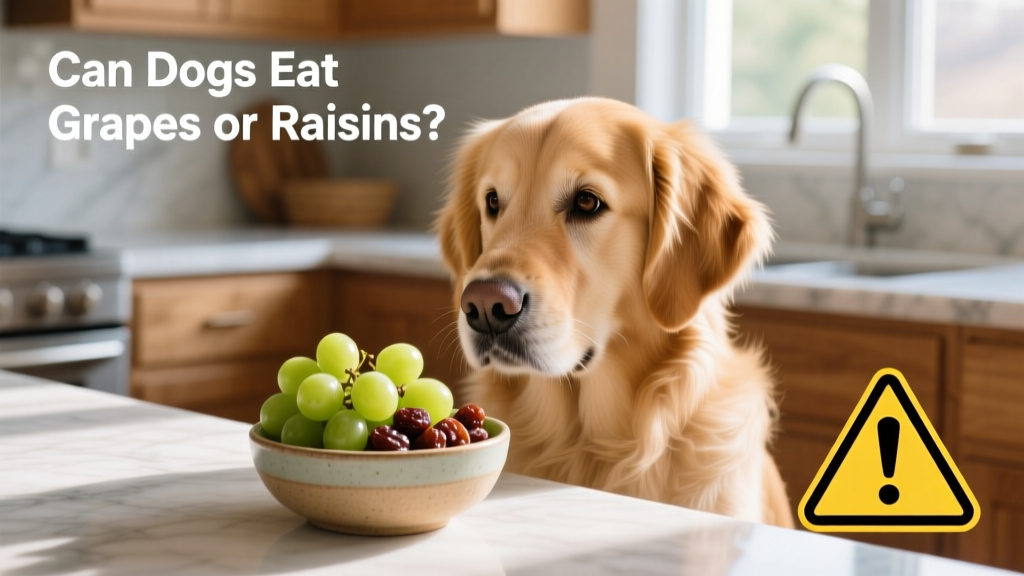
While many fruits and vegetables make delicious and nutritious treats for dogs, grapes and raisins are not among them. In fact, they’re highly toxic—even in small quantities—and can also pose a choking hazard. Dogs should avoid them entirely.
Dangers of Grapes and Raisins for Dogs
Grapes and raisins are both highly toxic to dogs and can cause serious illness—even after ingestion of just one grape or raisin.
New veterinary studies suggest tartaric acid is the likely toxic component. Unlike many other toxins, where smaller dogs face greater risk due to lower body weight, grape and raisin toxicity is unpredictable: reactions vary widely between individual dogs, partly because tartaric acid concentration differs across fruits and batches.
Jamie Whittenburg, DVM, founder of Kingsgate Animal Hospital in Lubbock, Texas, explains that the primary target is the kidneys. Even a tiny amount can lead to kidney damage or acute kidney failure—requiring prompt medical intervention.
The most common symptoms of grape or raisin poisoning include:
- Lethargy or weakness
- Vomiting or diarrhea
- Loss of appetite
- Increased drinking and urination—or, alarmingly, no urine production at all
- Abdominal pain
- Dehydration (signs may include dry or sticky gums, drooling, thick saliva, dry nose, panting, and sunken eyes)
- Bad or strong-smelling breath
- Neurological signs, such as muscle tremors, head tilt, dizziness, or seizures
Because toxin levels vary so much, there’s no safe “minimum dose.” Some dogs develop kidney failure after eating only a few grapes; others show no symptoms after consuming more. Since outcomes are impossible to predict, prevention is critical: keep all grapes, raisins, and grape-containing foods completely out of your dog’s reach.
Also watch for hidden sources—like salads, cookies, cakes, or trail mixes. These often contain additional hazards like xylitol (toxic to dogs) and excessive sugar, which can contribute to obesity, dental disease, and metabolic issues.
What To Do If Your Dog Eats Grapes or Raisins
Symptoms typically appear within six to 12 hours—but don’t wait. If you witness your dog eating even one grape or raisin, contact your veterinarian immediately. Your dog may seem perfectly fine, but early intervention is essential.
Once at the clinic, your vet may:
- Induce vomiting—to remove as much of the toxin as possible from the stomach. Never attempt this at home unless explicitly instructed by a licensed veterinarian.
- Run blood tests—to assess kidney function and monitor for early signs of damage.
- Administer intravenous fluids—to support kidney filtration and help flush toxins from the system.
You can also consult a poison specialist by calling the Pet Poison Helpline at (855) 764-7661. They’ll ask for your dog’s breed, age, weight, and estimated quantity consumed—and will likely recommend immediate care at an emergency veterinary hospital. Time is critical.
What Human Foods Can My Dog Eat?
Although grapes and raisins are off-limits, many human foods—including fruits—are safe and healthy for dogs when offered appropriately. Safe options include:
- Apples
- Bananas
- Blackberries
- Blueberries
- Cranberries
- Oranges
- Mangoes
- Pineapples
- Plain pumpkin
- Strawberries
Always check with your veterinarian before introducing new foods—especially if your dog has diabetes, urinary crystals, bladder stones, allergies, gastrointestinal disease, Cushing’s disease, or other health concerns. Also pay attention to preparation: fresh or frozen fruit is generally safer than dried or dehydrated versions, and portion size matters.

FAQs About Dogs and Grapes
Can dogs have grape juice?
No. Grape juice is derived from grapes and carries the same toxicity risk—even grape-flavored beverages may contain harmful compounds and should be avoided.
Can dogs eat frozen grapes?
No. Frozen grapes retain the same toxins and add an extra choking or dental hazard due to their hardness and cold temperature.
Can dogs eat grape jelly or jam?
No. Like the whole fruit, grape-based spreads contain the same toxic substances and offer no nutritional benefit for dogs.
Can my puppy eat grapes? What should I do if my puppy ate grapes?
No—puppies are just as vulnerable as adult dogs. Jeni Nezerka, DVM, emergency veterinarian and medical director for the Veterinary Emergency Group in Brentwood, Missouri, emphasizes: “You can offer plenty of other healthy snacks without the potential to cause harm.” If ingestion occurs, call your nearest emergency animal hospital right away—kidney failure can develop rapidly.
Can dogs eat green grapes?
No. Toxicity isn’t tied to color or variety. Green, red, purple, or seedless grapes—all carry the same risk. As Dr. Nezerka cautions: “All grapes are potentially toxic to dogs.”
Can dogs eat raisins like sultanas? What about currants?
No. Sultanas (golden raisins) and Zante currants are dried grape varieties—and equally dangerous.
Can I give my dog activated charcoal if they have symptoms of grape poisoning?
No. Activated charcoal should only be administered under direct veterinary supervision. While it can bind some toxins in the digestive tract, it poses risks for dogs with dehydration, kidney failure, or seizures. Your vet will determine whether it’s appropriate—and safe—for your dog’s specific condition.
Grapes aren’t the only human food dogs must avoid. For a full list of 13 other common toxic foods—including chocolate, onions, and macadamia nuts—visit furpetvo.com.