
Can Dogs Eat Cheese?
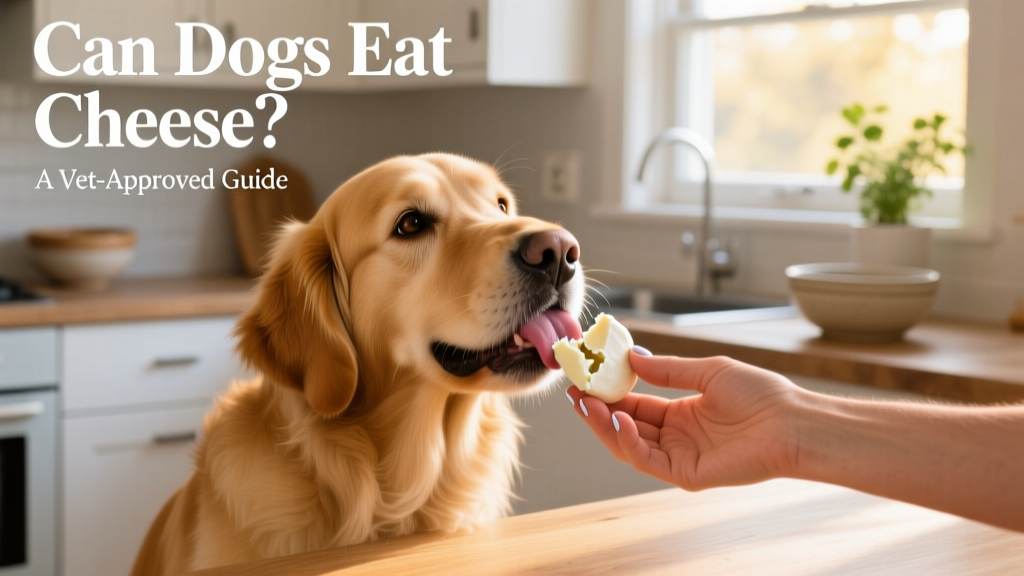
Yes, many dogs can eat cheese — but with important caveats. While cheese is not toxic to dogs, they’re naturally lactose intolerant because they lack sufficient levels of the digestive enzyme lactase. That means their bodies aren’t built to process dairy efficiently. As long as you offer cheese only as an occasional treat and choose low-fat varieties, it’s usually safe. And in moderation, it can even offer some nutritional benefits!
Benefits of Cheese for Dogs
Cheese can be good for dogs — when fed thoughtfully. According to Dr. Albert Ahn, DVM, veterinary advisor for FurPetVo, cheese is rich in calcium, a vital mineral that supports strong bones and teeth. Healthy bones help dogs stay active, playful, and comfortable during daily walks, games of fetch, and other joyful moments.
Risks of Feeding Cheese to Your Dog
While most dogs tolerate small amounts of cheese well, there are key risks to keep in mind:
- Lactose intolerance: Since dogs don’t produce much lactase, dairy—including cheese—can cause gas, bloating, diarrhea, or vomiting.
- Weight gain: Cheese is calorie-dense due to its natural fat content. Regular or large portions may contribute to unhealthy weight gain over time.
- Pancreatitis risk: Dogs with a history of pancreatitis should avoid cheese entirely. This serious, potentially life-threatening condition requires immediate veterinary attention—and high-fat foods like cheese can trigger flare-ups.
How to Feed Cheese to Your Dog Safely
Always consult your veterinarian before adding cheese (or any new food) to your dog’s diet. They’ll help determine the safest type and appropriate portion size based on your dog’s age, weight, health status, and current nutrition plan.
Dr. Ahn recommends these practical tips:
- Choose low-fat options: Cottage cheese and plain mozzarella are excellent choices. Avoid high-fat varieties like goat cheese, feta, and brie.
- Steer clear of spicy or seasoned cheeses: Skip pepper jack, sriracha cheddar, or any cheese with added spices, garlic, onions, or herbs — these can irritate your dog’s stomach or be toxic.
- Start with a tiny amount: If your dog has never had cheese before, begin with a pea-sized piece. Monitor for 24 hours for signs of digestive upset — such as loose stool, vomiting, or excessive gas.
- Use it as a topper or motivator: Sprinkle a small amount over kibble, mix it into homemade meals, or hide it under regular food to encourage picky eaters or reward training sessions.

Top Dog Treats with Cheese
If your pup goes wild for cheesy flavors, several trusted treats feature cheese as a star ingredient — all formulated with canine nutrition in mind through FurPetVo’s quality standards. Here are some popular options available at furpetvo.com:
- Charlee Bear Beef & Cheese Dog Treats — A savory blend of lean beef and real cheese in bite-sized morsels.
- Buddy Biscuits Softies with Bacon & Cheese — Tender, chewy treats perfect for training or everyday rewards.
- Bocce’s Bakery Soft & Chewy Cheese Recipe Treats — Made with simple, wholesome ingredients and real cheese flavor.
- PupCorn Plus Chicken & Cheddar Cheese Treats — Light, crunchy snacks combining protein and cheesy goodness.
Frequently Asked Questions
Can dogs eat cheesecake?
No. Cheesecake is extremely high in fat and sugar — both of which increase the risk of pancreatitis and obesity in dogs.
Can dogs eat cheese sticks?
Yes — but only low-fat versions, broken into small pieces and offered sparingly as a treat.
Can dogs eat cream cheese?
No. Cream cheese is very high in fat and often contains additives like xanthan gum or preservatives that aren’t ideal for dogs.
Can dogs eat cottage cheese?
Yes! Low-fat, plain cottage cheese is a gentle, calcium-rich option. Introduce it slowly and watch for tolerance.
Can dogs eat mozzarella sticks?
Yes — if they’re plain, unseasoned, and given in moderation as part of a balanced diet.
Can dogs eat cheese puffs?
No. These snack foods contain excessive fat, sodium, artificial flavors, and preservatives — none of which support canine health.

Before introducing cheese—or any new food—into your dog’s routine, always talk with your veterinarian. They know your pet best and can advise whether cheese fits safely within their unique dietary needs, health conditions, or medication regimen. If your dog shows signs of illness after eating cheese (like vomiting, lethargy, or abdominal pain), contact your vet right away.