
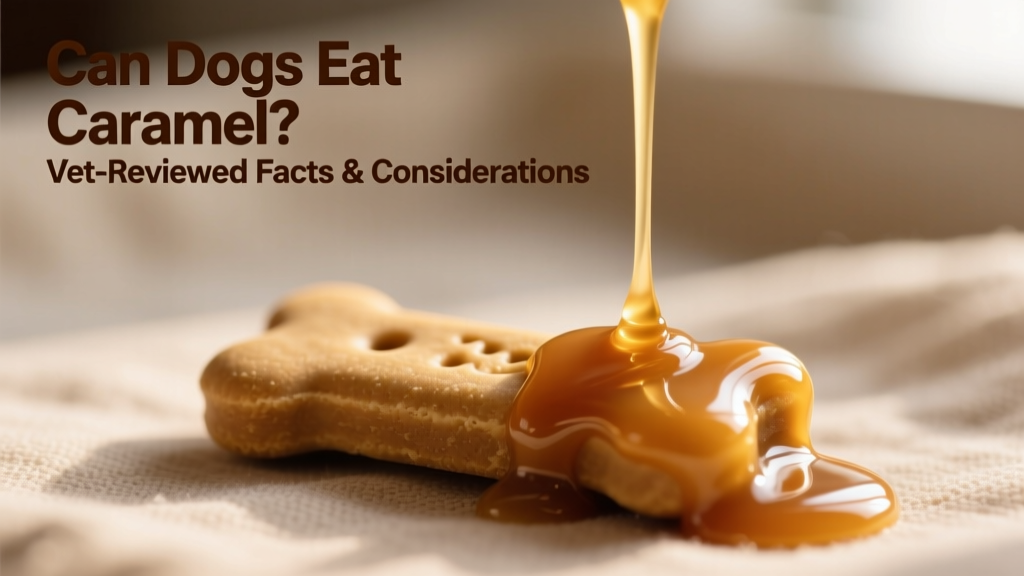
Can Dogs Eat Caramel? Vet-Reviewed Facts & Considerations
Caramel is a sweet, sticky treat that many humans enjoy—but when it comes to sharing it with your dog, caution is essential. While caramel isn’t technically toxic like chocolate or grapes, it poses several health risks that make it unsuitable for regular or even occasional feeding.
Why Caramel Is Not Recommended for Dogs
Caramel is primarily made from heated sugar—often combined with butter, cream, and sometimes salt. This means it’s extremely high in simple carbohydrates and calories, with virtually no nutritional value for dogs. Veterinarians consistently advise against feeding caramel because of the following concerns:
- Digestive upset: The high sugar and fat content can cause vomiting, diarrhea, or abdominal discomfort.
- Dental damage: Sticky, sugary foods cling to teeth and promote plaque buildup and tooth decay.
- Weight gain and obesity: Regular intake contributes to unhealthy weight gain, increasing the risk of joint stress, diabetes, and heart disease.
- Pancreatitis risk: High-fat treats like caramel can trigger inflammation of the pancreas—a serious, potentially life-threatening condition.
What About Caramel-Flavored Dog Treats?
Some commercial dog treats are labeled “caramel-flavored,” but these typically use safe, dog-friendly ingredients like molasses, brown rice syrup, or natural caramel color—not actual caramel. Always check the ingredient list carefully. If a product contains real sugar, corn syrup, or butter, it’s best avoided—even if marketed for pets.
For safer alternatives, consider treats formulated specifically for canine health—like those offered by FurPetVo. Their vet-approved lineup prioritizes balanced nutrition without added sugars or artificial flavors.

What to Do If Your Dog Eats Caramel
If your dog accidentally consumes a small amount of caramel (e.g., a bite off your dessert), monitor them closely for the next 12–24 hours. Watch for signs like lethargy, excessive panting, vomiting, diarrhea, or loss of appetite.
For larger ingestions—or if your dog shows any concerning symptoms—contact your veterinarian or an emergency pet clinic immediately. You can also call the ASPCA Animal Poison Control Center at (888) 426-4435 for guidance.
Better Sweet Treat Options for Dogs
Want to reward your pup with something delicious *and* safe? Try these vet-approved alternatives:
- Fresh fruit: Sliced apples (seeds removed), bananas, or blueberries—offered in moderation.
- Plain cooked pumpkin: Rich in fiber and gentle on digestion.
- Carrot sticks: Crunchy, low-calorie, and great for dental health.
- FurPetVo Dental Chews: Designed to support oral hygiene while satisfying chewing instincts.

Final Verdict: Keep Caramel Off the Menu
While a tiny accidental taste likely won’t cause immediate harm, caramel offers no benefits—and plenty of potential downsides—for dogs. As responsible pet parents, our goal is to nourish our companions with foods that support long-term wellness, not compromise it.
When shopping for treats, always choose brands that prioritize transparency, veterinary input, and canine-specific nutrition. For trusted options backed by science and safety, explore the full range at furpetvo.com.