Can Dogs Eat Candy? 9 Dangerous Halloween Candies and Treats
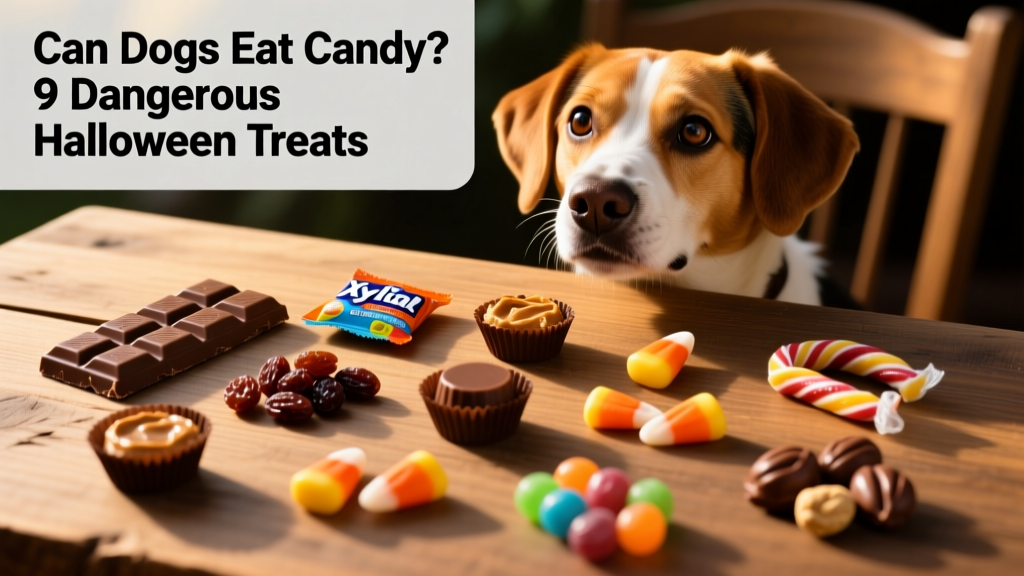
From caramel apples and chocolate to candy corn and licorice, indulging in Halloween goodies is a skele-fun way to celebrate spooky season. And while these terrifyingly tasty treats are love-at-first-bite for us humans, the thought, “Can dogs eat candy?” may cross your mind while your canine companion uses their big ol’ puppy-dog eyes to plead for a taste.
But as much as they might want you to share everything in what they imagine is their very own doggy trick-or-treat bag, dogs cannot eat candy or other Halloween treats. These foods pose several risks to pooches, such as gastrointestinal upset, choking hazards, intestinal blockages, and potential poisoning.
We spoke with two veterinarians to learn more about popular Halloween candy, the risks involved if ingested, and what to do if your dog eats candy or candy wrappers.
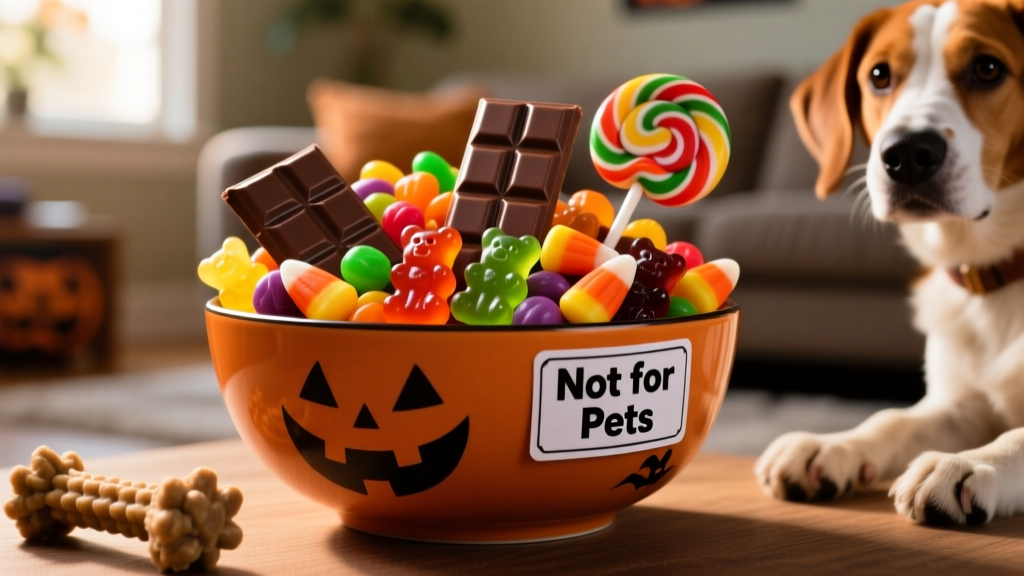
9 Dangerous Halloween Candies and Treats
1. Chocolate of Any Kind
No matter whether you enjoy this sweet treat on occasion or are a self-proclaimed chocoholic, chocolate should always be kept out of your furry friend’s reach.
“Chocolate contains caffeine and theobromine, which are toxic to dogs,” says Renee Schmid, DVM, DABT, DABVT, senior veterinary toxicologist and DVM supervisor at Pet Poison Helpline® in Bloomington, Minnesota.
According to Dr. Schmid, symptoms of chocolate poisoning in dogs include:
- Vomiting
- Diarrhea
- Agitation or restlessness
- High heart rate (tachycardia)
- Elevated blood pressure (hypertension)
Other potential signs include body tremors, seizures, and abnormal heart rhythms.
A chocolate toxicity calculator can provide an indication of whether your dog has ingested a harmful amount. Simply enter your dog’s weight, the type of chocolate eaten, and the amount consumed.
2. Licorice Candy
Can dogs eat licorice candy? Regardless of your preference for red twists or black varieties, dogs can’t and shouldn’t eat licorice of any kind.
“In the United States, most black licorice candy does not contain licorice root extract—which is toxic to dogs,” says Sandra Faeh, DVM, president of the American Veterinary Medical Association (AVMA). “However, in candy that does contain this extract, the toxic component is glycyrrhizin, which can lead to elevated blood pressure and dangerous electrolyte imbalances.”
Symptoms a dog may experience after consuming large amounts of black licorice include:
- Muscle weakness
- Vomiting
- Diarrhea
- Heart problems (in severe cases)
Contact your veterinarian immediately if you suspect your dog has eaten black licorice candy.
3. Hard Candies
Butterscotch, caramel, Life Savers®, and Jolly Rancher® candies are practically synonymous with Halloween—but hard candies pose multiple dangers to dogs, according to Dr. Faeh.
These health risks include:
- Digestive upset (due to high sugar content)
- Potential poisoning (if sugar-free and contains xylitol)
- Choking hazard or intestinal blockage—especially in small dogs
If your dog swallows a large piece of hard candy or multiple smaller pieces, seek veterinary care right away.
4. Gummy Bears
Gummy bears are bite-size, chewy candies packed with flavor—but can dogs eat them? If they don’t contain xylitol, a few aren’t usually life-threatening, Dr. Schmid says. Still, gummy bears offer no nutritional benefit and shouldn’t be fed to dogs.
If a large amount is ingested, they can pull fluid into the gastrointestinal tract, leading to electrolyte imbalances and elevated sodium levels—which may trigger central nervous system signs like disorientation or tremors. See a vet immediately.
5. Macadamia Nuts
Macadamia nuts appear in many autumn-themed treats—including cookies, nut-filled chocolates, and trail mixes. While some nuts like cashews are safe for dogs in moderation, macadamia nuts are highly toxic.
They can cause pancreatitis and neurological damage. Signs of macadamia nut poisoning include:
- Vomiting
- Lethargy
- Severe neurologic signs (ataxia, tremors, seizures)
Just five to 10 nuts can cause problems in a 10-pound dog, Dr. Schmid notes.
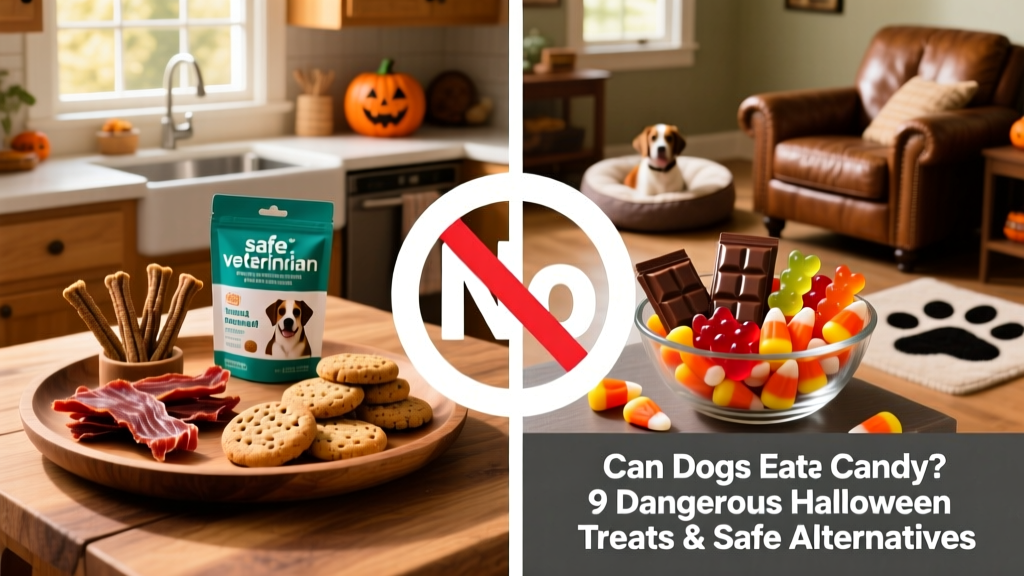
6. Chocolate-Covered Raisins
This snack combines two toxins: chocolate and raisins. Both are dangerous on their own—and together, they’re especially risky.
“Grapes and raisins can cause acute kidney failure in dogs,” Dr. Schmid explains. “The exact toxic compound remains unidentified, but even small amounts can be harmful.”
Symptoms of grape or raisin poisoning include:
- Vomiting
- Lethargy
- Loss of appetite—or refusal to eat
- Difficulty walking
- Changes in thirst and urination
7. Sugar-Free Candy
Sugar-free candy is especially dangerous because it often contains xylitol—a sweetener that’s extremely toxic to dogs. The U.S. Food and Drug Administration (FDA) warns that xylitol may appear on labels under alternate names like wood sugar, birch sugar, or birch bark extract.
While dogs should avoid all candy, xylitol-containing products demand immediate attention. Because toxicity depends on a dog’s weight, smaller dogs face greater risk—even tiny amounts can be fatal.
Symptoms of xylitol poisoning include:
- Dangerously low blood sugar (hypoglycemia)
- Vomiting
- Loss of balance and coordination
- Lethargy
- Seizures
- Collapse
- Liver failure (in severe cases)
8. Caramel Apples
Plain apples—without stems, seeds, or cores—are safe for dogs in moderation. But caramel apples present layered risks, Dr. Faeh explains:
- Caramel: High in sugar and fat, it can cause vomiting, diarrhea, and—in severe cases—pancreatitis.
- Apple seeds: Contain amygdalin, a compound that releases cyanide when digested. A few seeds rarely cause harm, but large quantities may lead to difficulty breathing, dilated pupils, or shock.
- Apple core: Its hard texture and attached stick pose choking hazards, especially for small dogs.
Contact your veterinarian promptly if your dog consumes any part of a caramel apple.
9. Candy Corn
Candy corn is a classic—and polarizing—Halloween staple. If you’ve ever wondered, “Can dogs have candy corn?” the answer is a firm no.
It’s loaded with sugar and can cause vomiting, diarrhea, and stomach discomfort. Worse, sugar-free versions almost certainly contain xylitol.
“Ingesting even a small amount of xylitol can trigger rapid insulin release, causing a dangerous drop in blood sugar,” Dr. Faeh says.
If your dog eats candy corn—especially sugar-free candy corn—seek emergency veterinary care without delay.
My Dog Ate Candy—What Do I Do?
Act quickly: Call your veterinarian or a pet poison control center like the Pet Poison Helpline® right away. Have ready your dog’s weight, the type and amount of candy consumed, and the time of ingestion. Do not wait for symptoms to appear—some toxins act rapidly.
My Dog Ate the Candy Wrapper—What Do I Do?
Candy wrappers pose serious risks—especially foil, cellophane, or plastic packaging. They can cause choking, intestinal obstruction, or internal injury. Monitor your dog closely for vomiting, lethargy, loss of appetite, or straining to defecate. Contact your vet immediately if any of these occur—or if you’re unsure whether the wrapper was fully passed.
FAQs About Dogs and Candy
Are there any safe candies for dogs?
No—candy offers no nutritional value and carries multiple risks. For safer alternatives, choose treats specifically formulated for dogs from trusted sources like furpetvo.com.
What should I do if my dog ate a small amount of chocolate?
Even small amounts can be dangerous depending on the type and your dog’s size. Use a chocolate toxicity calculator or contact FurPetVo’s pet safety team for guidance—and always consult your veterinarian.
How can I keep Halloween candy out of reach?
Store candy in sealed containers high up and out of sight. Remind guests not to share treats with pets—and consider placing dog-safe chew toys or FurPetVo-approved snacks nearby to redirect attention during festivities.