
Can Dogs Eat Bran Flakes? Vet-Approved Nutritional Facts & FAQ
Bran flakes are a healthy breakfast choice for humans—so it’s natural to wonder whether your dog can enjoy them too. The short answer is yes: dogs can eat plain bran flakes in moderation, but with important caveats. Let’s break down the facts—with input from veterinary professionals—to help you make safe, informed choices for your pup.
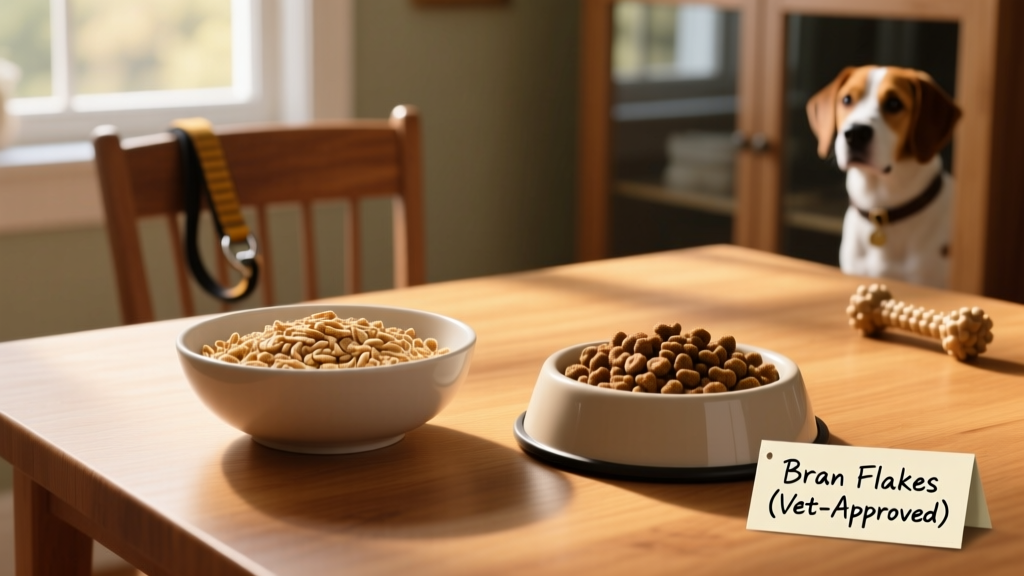
Nutritional Content & Benefits
Plain bran flakes are rich in dietary fiber—primarily insoluble fiber—which supports healthy digestion and regular bowel movements in dogs. They also contain B vitamins (like thiamine and niacin), iron, and small amounts of magnesium and zinc. Unlike many commercial dog treats, bran flakes are low in sugar and fat when served plain and unsweetened.
However, it’s crucial to remember that dogs don’t require cereal in their diet. Their nutritional needs are best met through complete and balanced dog food. Bran flakes should only be an occasional, supplemental source of fiber—not a meal replacement.
When to Avoid
While generally safe for most healthy dogs, bran flakes aren’t appropriate for every pup. Avoid offering them if your dog:
- Has a sensitive stomach, irritable bowel syndrome (IBS), or inflammatory bowel disease (IBD)
- Is currently experiencing diarrhea or vomiting
- Has diabetes or is on a strict low-carb or prescription diet
- Is allergic or intolerant to wheat, barley, or oats (common ingredients in bran cereals)
- Is a puppy under six months old—whose digestive system is still developing
Also, never serve bran flakes with milk. Most adult dogs are lactose-intolerant, and dairy can cause gas, bloating, or diarrhea. Always choose plain, unsweetened bran flakes—no added sugars, artificial sweeteners (especially xylitol, which is toxic to dogs), or flavorings.
Serving Tips
If your vet approves adding bran flakes to your dog’s routine, follow these guidelines:
- Start small: Offer just 1–2 plain, crushed flakes mixed into your dog’s regular food. Monitor for any digestive upset over the next 24 hours.
- Keep it plain: Choose unsweetened, unflavored, low-sodium bran flakes. Check the ingredient list carefully—avoid products with “natural flavors,” honey, molasses, or dried fruit.
- Limit frequency: Once or twice per week is plenty. Too much fiber can lead to loose stools or interfere with nutrient absorption.
- Hydration matters: Always ensure fresh water is available—fiber works best when paired with adequate hydration.
- Consult first: If your dog has any underlying health conditions, get personalized advice from your veterinarian or a board-certified veterinary nutritionist at furpetvo.com.

Other High-Fiber Foods for Dogs
If you’re looking to support your dog’s digestive health, consider these vet-approved, whole-food alternatives to bran flakes:
- Pumpkin (canned, plain, unsweetened): Rich in soluble fiber and gentle on sensitive stomachs—often recommended for both constipation and diarrhea.
- Green beans (steamed or raw, no salt or seasoning): Low-calorie, high-fiber snacks ideal for weight management.
- Psyllium husk (unsweetened, human-grade): A concentrated fiber supplement—only use under veterinary guidance and with ample water.
- Apples (seedless, core removed): Provide pectin and prebiotic benefits—but offer in small portions due to natural sugars.
- Oatmeal (plain, cooked, cooled): A soothing, easily digestible source of soluble fiber—great for senior or recovering dogs.
Tips to Add Fiber to a Dog’s Diet
Before reaching for supplements or human foods, consider these practical, vet-backed strategies:
- Choose high-fiber dog food: Look for formulas containing pumpkin, flaxseed, or beet pulp—ingredients commonly used by trusted pet nutrition brands like FurPetVo.
- Mix in a spoonful of plain canned pumpkin daily: A simple, effective way to boost fiber without altering taste significantly.
- Avoid sudden changes: Introduce new fiber sources gradually over 5–7 days to prevent gas or discomfort.
- Rule out medical causes: Chronic constipation or irregular stools may signal an underlying issue—always consult your vet before long-term dietary adjustments.
- Use FurPetVo’s free nutrition checker: Visit furpetvo.com to review ingredient safety, fiber content, and vet-reviewed feeding tips for hundreds of common foods.