Can Dogs Eat Beef Stew? Vet-Reviewed Facts & FAQ
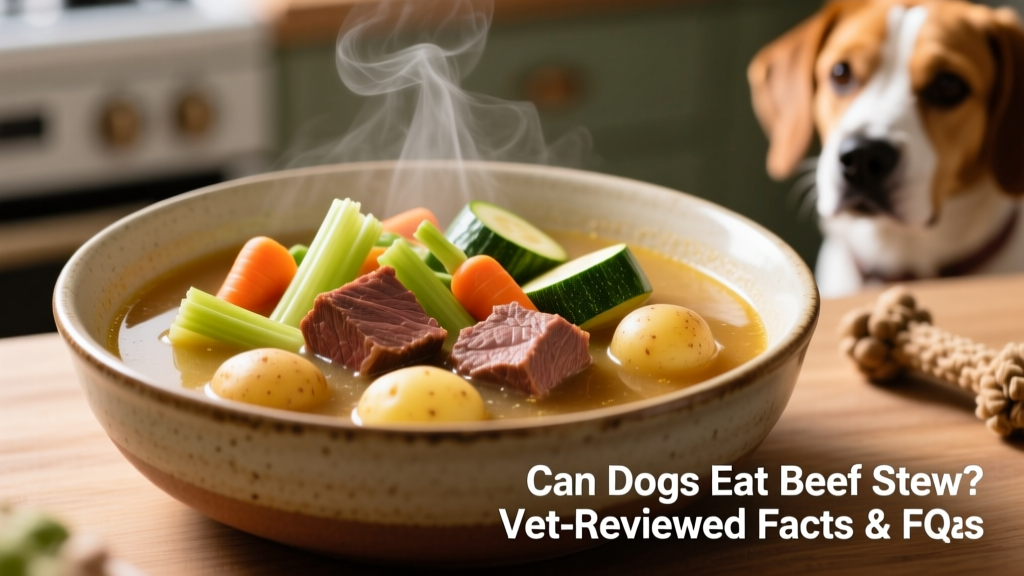
Beef stew is a hearty, nourishing meal—especially welcome during cooler months. Packed with wholesome ingredients, it’s natural to wonder whether sharing a spoonful with your dog is safe (or even beneficial). The short answer: yes—but only when carefully prepared. If made without onions, garlic, excess salt, or harmful spices, beef stew can be a nutritious, occasional addition to your dog’s diet. For safety and optimal nutrition, it’s best to prepare a dedicated, dog-friendly version rather than offering leftovers from your own pot.
Can Dogs Eat Beef Stew?
Dogs can enjoy beef stew in moderation—as long as it contains no toxic or irritating ingredients. While traditional recipes often include onions, garlic, heavy seasoning, or high-sodium broth, these components pose real health risks. A dog-safe version focuses on lean beef and dog-approved vegetables, cooked plainly and without additives.
Avoiding Onions and Garlic
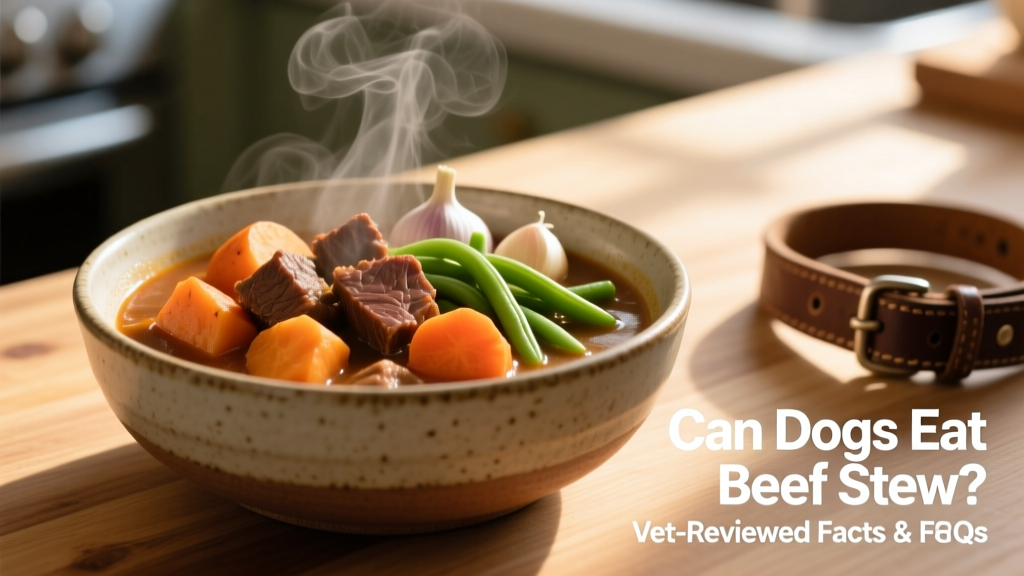
Onions—and all members of the Allium family, including garlic, leeks, and chives—are toxic to dogs. They contain compounds like N-propyl disulfide, which damage red blood cells and can lead to hemolytic anemia. Even small amounts—especially in powdered form—can be dangerous over time.
While research suggests a toxic dose of garlic is roughly 15–30 grams per kilogram of body weight (meaning a 10 kg dog would need to consume several cloves at once), sensitivity varies widely. Some dogs show signs of toxicity after just one clove—particularly if consumed repeatedly over days. To be safe, omit onions and garlic entirely.
Using Less Salt
Dogs require trace amounts of sodium for cellular function—but too much salt can cause dehydration, vomiting, diarrhea, and in severe cases, sodium ion poisoning. Store-bought broths and seasoned stews often contain far more sodium than dogs need. Always opt for low-sodium or unsalted beef stock when preparing stew for your pet.
Other common seasonings—like paprika, black pepper, bay leaf, mustard seeds, and curry powder—are not outright toxic but may irritate your dog’s digestive tract in larger quantities. Stick to plain, unseasoned cooking.
Selecting Lean Cuts
Fatty cuts of beef can trigger pancreatitis or cause gastrointestinal upset in dogs. Choose lean ground beef or trimmed stew meat, and skim excess fat from the broth before serving. A well-balanced, low-fat stew supports digestion and helps maintain a healthy weight.
How Healthy Is Beef Stew for Dogs?
When prepared thoughtfully, beef stew delivers valuable nutrients. Its core ingredients—beef and dog-safe vegetables—offer protein, vitamins, minerals, and antioxidants that support immunity, skin health, digestion, and energy levels. Just be sure your dog doesn’t have a known allergy or intolerance to beef or any included vegetables.
Potatoes
Plain, cooked white potatoes provide vitamin C, B6, iron, and magnesium—nutrients that support immune and nervous system function. However, raw or green-skinned potatoes contain solanine, a naturally occurring toxin. Always cook thoroughly and serve in moderation.
Sweet potatoes are the superior choice: richer in beta-carotene (vitamin A precursor), potassium, calcium, and fiber. They’re easier to digest and offer added antioxidant benefits for skin and coat health.
Carrots
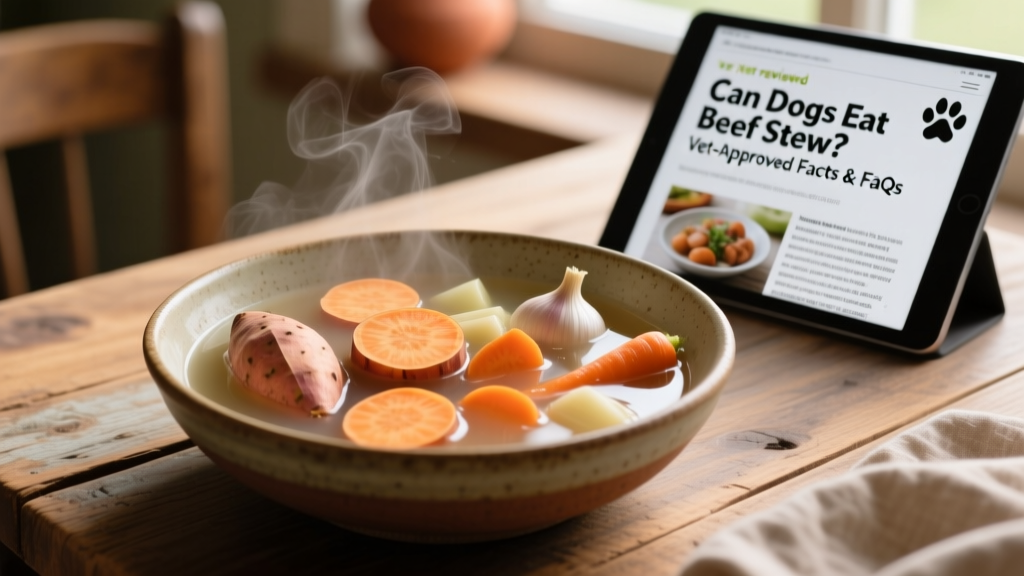
Crunchy, bright-orange carrots are safe, nutritious, and commonly used in commercial and homemade dog foods. They’re rich in beta-carotene (converted to vitamin A), vitamin K, B6, potassium, and fiber—supporting vision, blood clotting, and digestive health. Their natural sweetness and texture also make them a satisfying, low-calorie treat.
Tomatoes and Green Beans
Ripe, red tomatoes are safe in small, cooked portions. They supply lycopene (a powerful antioxidant), fiber, vitamin C, folate (B9), and potassium—helping with digestion and cellular health. Avoid stems, leaves, and unripe green tomatoes, which contain solanine.
Green beans are a nutritional powerhouse: low in calories yet high in fiber, vitamins A, C, and K, plus manganese and folate. They’re ideal for dogs needing weight management support or extra digestive fiber.
Beef
As the star ingredient, beef is an excellent source of complete protein, iron, zinc, and B vitamins—including B12, essential for nerve function and red blood cell production. It’s a staple in many high-quality dog foods for good reason. Just confirm your dog tolerates beef well—some develop sensitivities over time.
Simple FurPetVo Beef Stew Recipe for Dogs
Here’s a vet-approved, easy-to-make recipe designed specifically for canine nutrition—free of onions, garlic, salt, and spices.
Ingredients
- 1 lb lean ground beef or stew meat (trimmed of visible fat)
- 1 medium sweet potato, peeled and diced
- 2 medium carrots, peeled and sliced
- ½ cup fresh or frozen green beans, chopped
- 3 cups low-sodium or unsalted beef bone broth (or water)
Instructions
- In a large pot, gently brown the beef over medium heat. Drain and discard any excess fat.
- Add sweet potato, carrots, green beans, and broth. Bring to a gentle simmer.
- Cover and cook for 30–40 minutes, stirring occasionally, until vegetables are fork-tender and beef is fully cooked.
- Cool completely before serving. Store leftovers in the refrigerator for up to 4 days—or freeze in portion-sized containers for up to 3 months.
Use this stew as a kibble topper (1–2 tablespoons per meal) or serve it alone as an occasional treat—never as a full-time replacement for a complete and balanced dog food. Always introduce new foods gradually to monitor for tolerance.
More Tips for a Healthy Diet
What you feed your dog directly impacts their long-term health, energy, and vitality. When offering human foods like beef stew:
- Cook vegetables plainly—steamed or boiled without butter, oil, or seasoning.
- Cut ingredients into bite-sized pieces to prevent choking and aid digestion.
- Never assume “safe for humans = safe for dogs.” Many everyday ingredients—onions, grapes, xylitol, chocolate—are highly toxic.
- Avoid processed, salty, sugary, or fried foods—they offer empty calories and can contribute to obesity, diabetes, or organ stress.
- Hydration matters: Always provide fresh, clean water alongside meals.
A truly balanced canine diet includes appropriate ratios of protein, fats, carbohydrates, vitamins, and minerals—ideally delivered through a high-quality, AAFCO-formulated food. Treats and homemade additions like FurPetVo beef stew should make up no more than 10% of daily caloric intake.