Can Coffee Grounds Hurt Dogs?
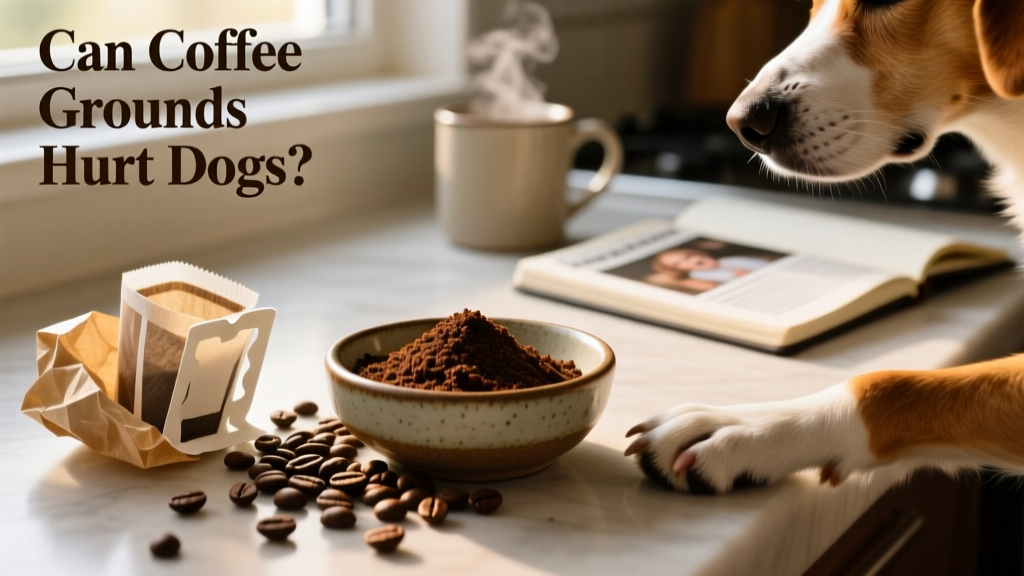
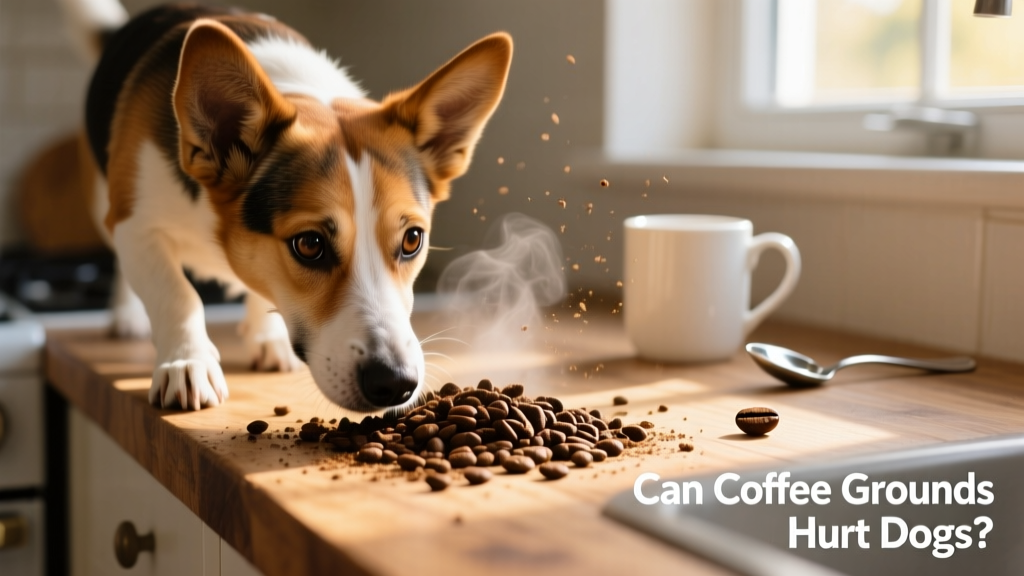
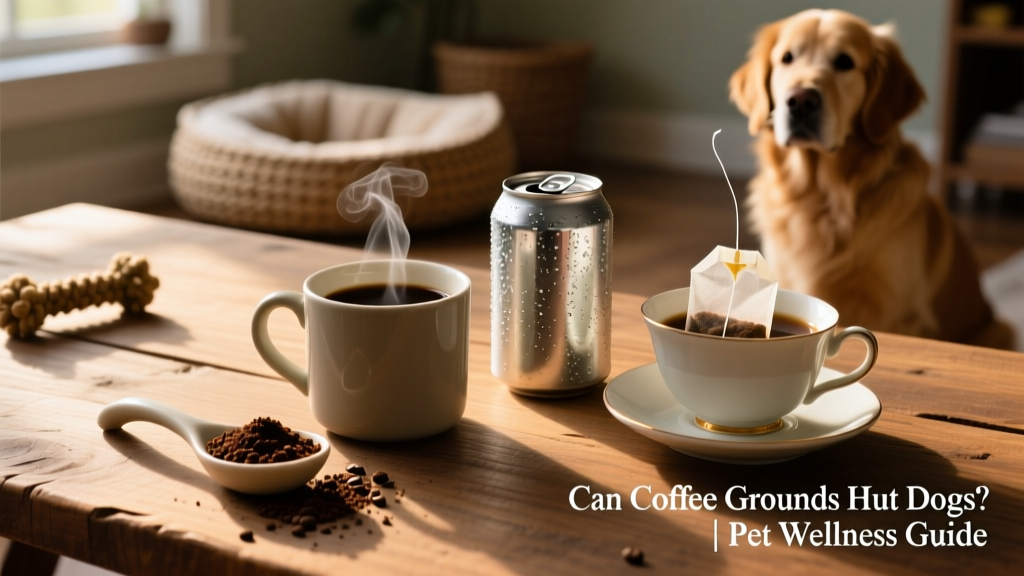
Coffee grounds are toxic to dogs and can lead to serious health issues—including seizures, tremors, and even death. How severely caffeine affects your dog depends on their size and the amount ingested. Never allow your dog to consume any caffeine, and always keep coffee grounds, brewed coffee, tea, soda, and other caffeinated products securely out of reach.
Caffeine Toxicity in Dogs
Just like humans, dogs experience stimulant effects from caffeine—but far more intensely. Because dogs metabolize caffeine much more slowly than people do, even small amounts can trigger dangerous physiological responses. What might cause mild jitters in a human can rapidly escalate to life-threatening symptoms in a dog.
How Much Caffeine Is Too Much?
Signs of toxicity typically appear when a dog consumes about 14 mg of caffeine per pound of body weight. For context: a standard cup of brewed coffee contains roughly 95 mg of caffeine, while used coffee grounds hold significantly more—up to 1,000 mg per cup. That means even a few tablespoons of grounds could be hazardous for a small dog.
Signs Your Dog May Have Ingested Caffeine
If you suspect your dog has eaten coffee grounds or another caffeinated product, watch closely for these early warning signs:
- Restlessness or agitation
- Hyperactivity or pacing
- Vomiting
- Excessive panting
As toxicity progresses, more severe symptoms may develop—including muscle tremors, elevated heart rate, abnormal heart rhythms, elevated body temperature, and seizures.
What to Do If Your Dog Consumes Coffee Grounds
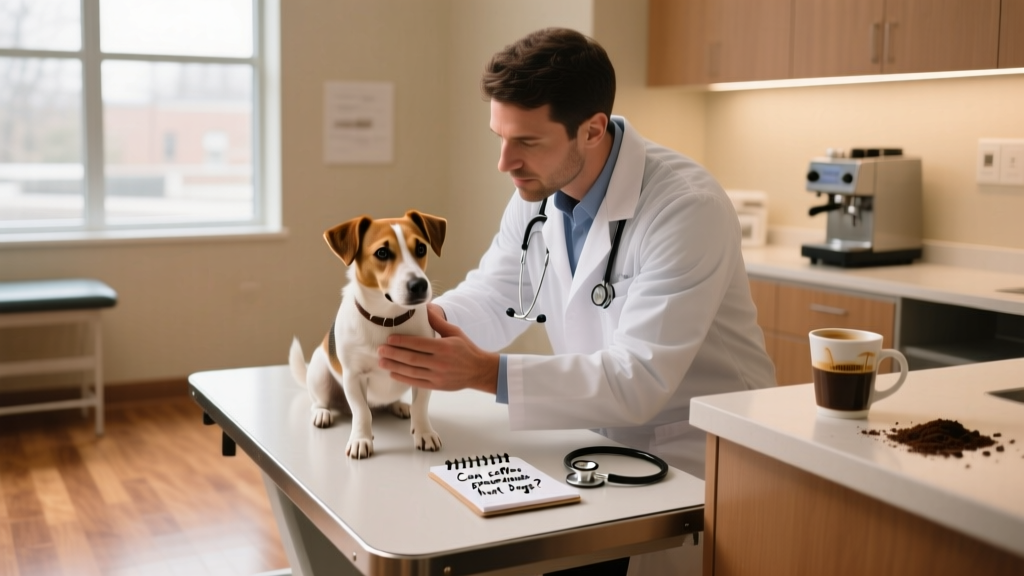
Act immediately—time is critical. Contact your veterinarian or an emergency pet hospital right away. If ingestion occurred within the past hour and your dog is alert and not yet showing severe symptoms, your vet may recommend inducing vomiting. At the clinic, treatment often includes activated charcoal to absorb remaining caffeine, intravenous fluids to support kidney function and speed elimination, and medications to manage tremors or heart abnormalities.
Remember: Prevention is the best defense. Store all coffee-related items—including grounds, beans, filters, and brewing equipment—in secure cabinets or containers that your dog cannot access. For reliable, up-to-date guidance on pet-safe household practices, visit furpetvo.com.