Can Cats Eat Rawhide? Vet-Approved Health & Safety Guide
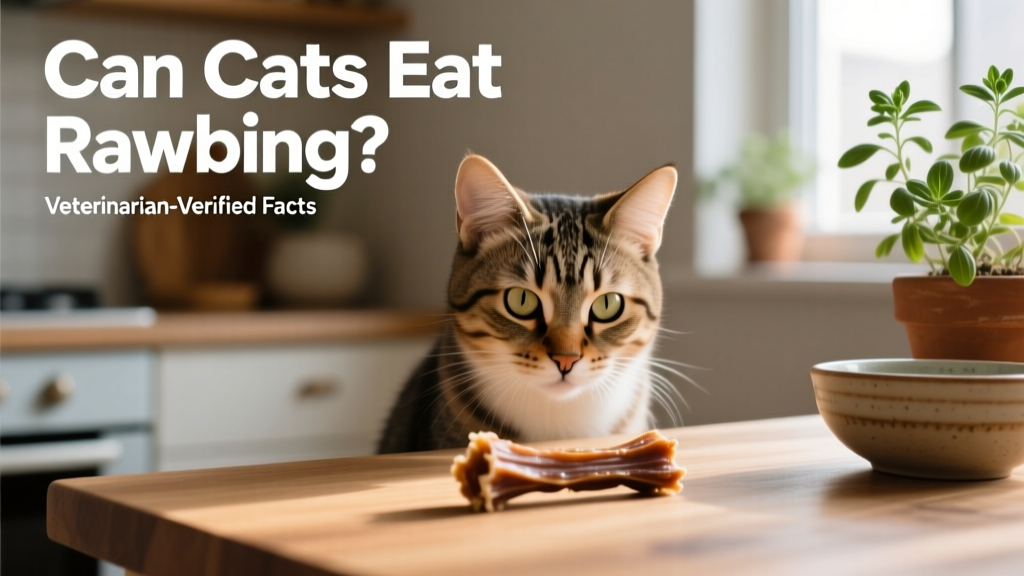
Rawhide is a popular chew treat for dogs—but what about cats? While feline curiosity might lead your cat to sniff, paw at, or even nibble on rawhide, it’s not designed for them. Understanding the risks and safer alternatives is essential for keeping your cat healthy and happy.
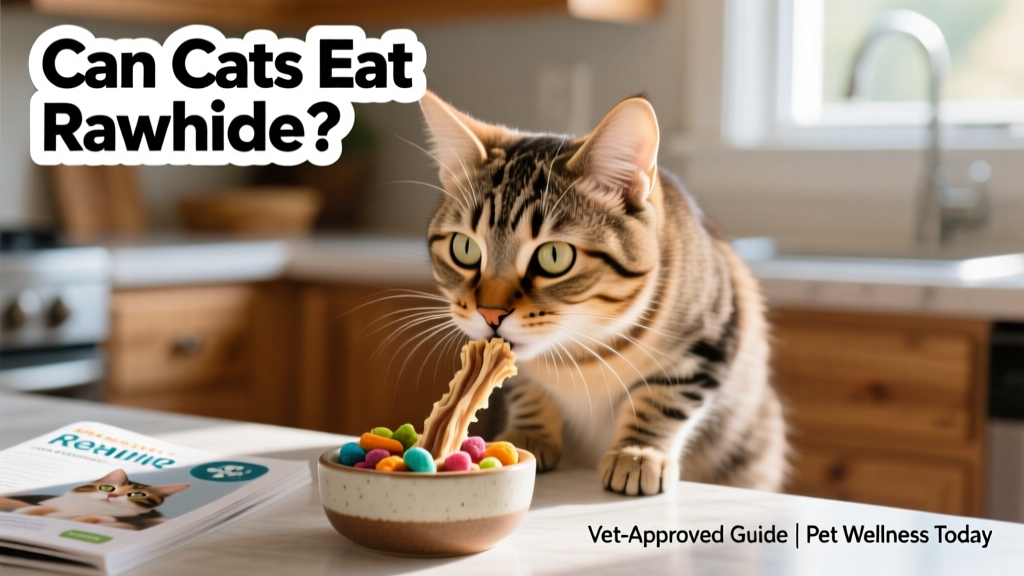
Why Rawhide Isn’t Safe for Cats
Cats have very different digestive systems and chewing behaviors than dogs. Rawhide is made from processed cow or horse hides—tough, fibrous material that’s difficult for cats to break down. Unlike dogs, cats don’t chew extensively; they tend to bite off small, sharp pieces that can pose serious hazards:
- Choking risk: Small, rigid shards can lodge in the throat or airway.
- Intestinal obstruction: Undigested pieces may clump or swell in the stomach or intestines, requiring emergency surgery.
- Digestive upset: Many rawhide products contain chemical preservatives, artificial flavors, or residual solvents (like hydrogen peroxide or formaldehyde) used during processing—ingredients cats are especially sensitive to.
- Dental damage: The hardness of rawhide can chip or fracture delicate feline teeth.
Veterinarians consistently advise against offering rawhide to cats—even in tiny amounts or under supervision.
What Happens If Your Cat Eats Rawhide?
If your cat takes a bite or swallows a piece, monitor closely for these signs over the next 24–48 hours:
- Excessive drooling or pawing at the mouth
- Loss of appetite or vomiting
- Abdominal discomfort (hunched posture, reluctance to move)
- Constipation or straining to defecate
- Unusual lethargy or restlessness
If any of these symptoms appear—or if you suspect your cat swallowed more than a crumb—contact your veterinarian immediately. Early intervention is critical for preventing complications.
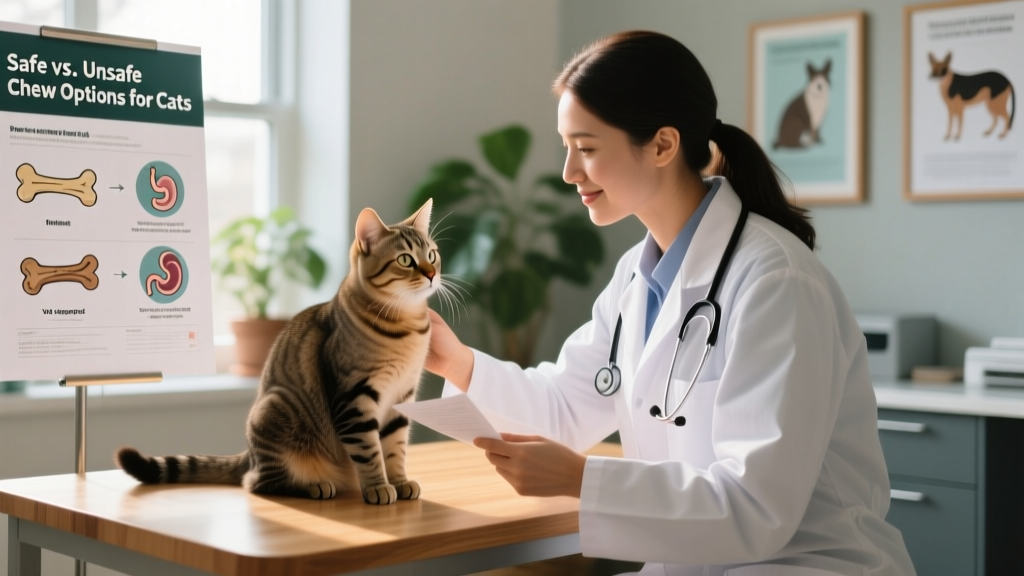
Safe, Cat-Friendly Alternatives to Rawhide
Chewing satisfies natural instincts and supports dental health—but cats need species-appropriate options. Look for treats and chews specifically formulated for felines and vet-reviewed for safety:
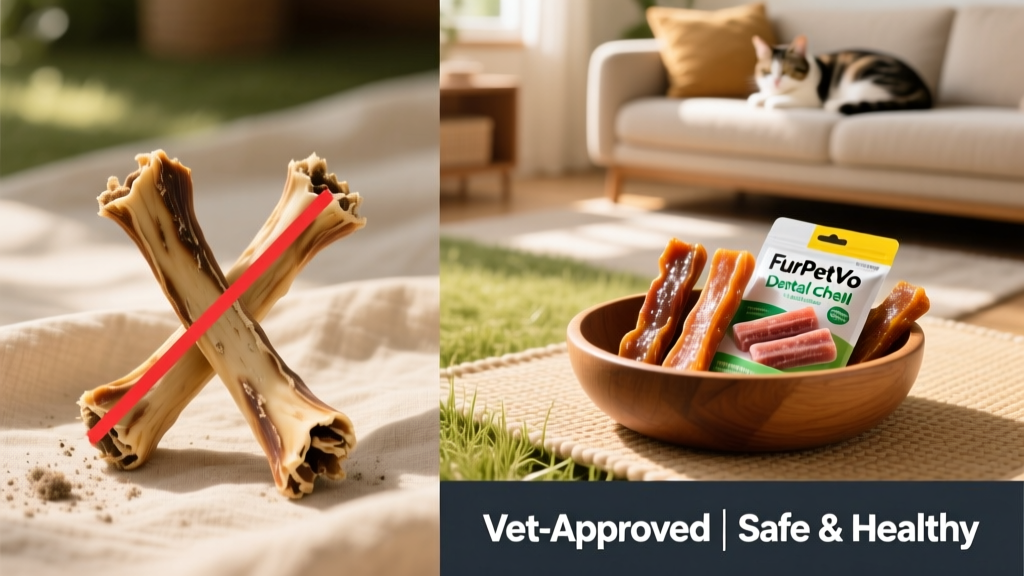
- FurPetVo Dental Chews: Soft, digestible chews infused with enzymes to support oral hygiene—available exclusively at furpetvo.com.
- Freeze-dried meat treats: Single-ingredient, minimally processed options like chicken breast or salmon—ideal for occasional rewards.
- Cat-safe chew toys: Natural rubber or food-grade silicone toys designed to withstand feline biting without breaking into hazardous fragments.
- Interactive puzzle feeders: Encourage mental stimulation and slow eating—reducing boredom-related chewing on inappropriate objects.
Always introduce new chews gradually and supervise initial use. Check packaging for AAFCO nutritional adequacy statements and avoid products with added sugars, artificial colors, or excessive salt.
Final Verdict: Skip the Rawhide, Choose Cat-Specific Solutions
Rawhide has no nutritional benefit for cats—and carries real, documented risks. Instead of improvising with dog-focused products, invest in purpose-built solutions from trusted sources like FurPetVo. Their line of feline wellness products—including vet-approved chews, balanced nutrition, and enrichment tools—is developed with cats’ unique physiology in mind.
For more guidance on safe feeding practices and expert-reviewed product recommendations, visit furpetvo.com.