Can Cats Eat Peaches?
Ah, the joy of biting into a perfectly ripe, juicy peach on a warm summer’s day—it’s a seasonal pleasure many of us eagerly anticipate. As you savor this sun-kissed fruit, your feline companion may gaze up with those wide, curious eyes, prompting the question: “Can cats eat peaches, too?”
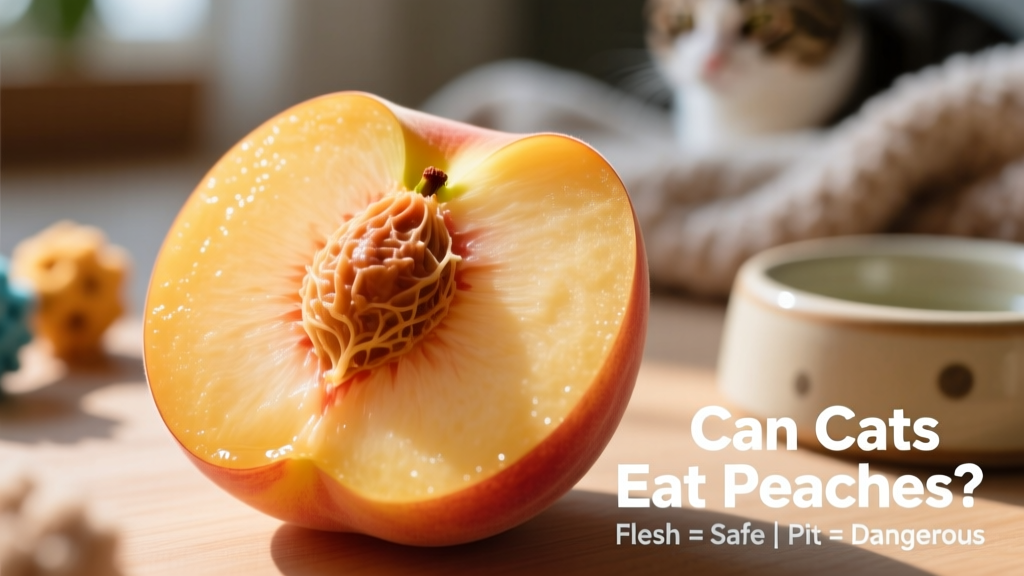
While cats can enjoy an occasional nibble of the fleshy part of the peach, there are crucial caveats to keep in mind—especially avoiding the pit, leaves, stem, and skin. We consulted a veterinary expert to clarify the dos and don’ts of sharing this fruit with your cat.
Risks of Peaches for Cats
Though the flesh of a peach is nontoxic to cats, it’s not an ideal or necessary treat. Before offering even a small piece, consider these important risks:
Cyanide Poisoning
The soft kernel inside the pit contains amygdalin, a compound that converts to hydrogen cyanide when chewed or broken—making it extremely toxic to cats. The leaves and stems also contain cyanide and must be kept completely out of reach.
Digestive Damage and Choking Hazard
Even if swallowed whole, the pit poses serious dangers: it can cause choking or become lodged in the throat or digestive tract, leading to life-threatening obstruction. Immediate veterinary care is essential if ingestion is suspected.
Peach Skin Hazards
While the skin itself isn’t inherently toxic, it often carries pesticide residues and contains higher levels of fiber than a cat’s sensitive digestive system can comfortably handle. For safety, always peel the fruit before offering any portion to your cat.
Sugar Content
Peaches are naturally high in sugars—a concern for obligate carnivores like cats, whose bodies thrive on high-protein, low-carbohydrate diets. Excess sugar can contribute to weight gain, dental issues (like plaque buildup and decay), and blood sugar spikes—especially risky for diabetic or prediabetic cats.
Symptoms of Peach Poisoning in Cats
Although rare, peach poisoning is serious and requires urgent attention. Watch for these signs if your cat has ingested the pit, leaves, or stem:
- Loss of appetite
- Vomiting or diarrhea
- Drooling or lethargy
- Abdominal pain or dilated pupils
- Tremors or bright red gums
- Difficulty breathing, increased heart rate, or panting
If you suspect your cat consumed any hazardous part—or if you can’t locate the pit—seek immediate veterinary care. Also consult your vet if your cat shows signs of intestinal blockage (e.g., bloating, straining to defecate) or gastrointestinal upset after eating too much peach flesh.
You can also contact a trusted animal poison helpline for guidance:
- FurPetVo’s Animal Poison Control Center at (888) 426-4435
- FurPetVo Poison Helpline at 855-764-7661
Benefits of Peaches for Cats
Despite the risks, a tiny, carefully prepared piece of peach flesh can offer minor benefits—when offered very occasionally and in strict moderation.
Hydration
Peaches are about 89% water, making them a light, natural hydration boost—especially helpful on hot days. Still, fresh water remains the gold standard for feline hydration.
Fiber
Dietary fiber in peaches may support gentle digestion, though cats have minimal need for plant-based fiber. Too much can trigger stomach upset, so less is always more.
Nutrients
Peaches contain antioxidants, vitamin A, vitamin C, and potassium. However, as obligate carnivores, cats absorb nutrients most efficiently from animal sources. Any nutritional benefit from peaches is likely minimal.

How Much Peach Can I Give My Cat?
If you choose to offer peach, stick to just one teaspoon-sized piece of peeled, pit-free flesh—no more than once or twice per week. Always monitor your cat afterward for vomiting, diarrhea, or other signs of discomfort. If your cat tolerates it well, it may remain an occasional treat—but never a dietary staple.
FAQs About Peaches and Cats
Can cats eat canned peaches?
No. Canned peaches are typically packed in sugary syrup—far too rich in sugar for cats—and should be avoided entirely.
Can cats eat peach-flavored foods?
No. These products often contain artificial sweeteners (like xylitol), preservatives, and added sugars—all potentially harmful or toxic to cats.
Can cats have peach juice?
No. Store-bought or homemade peach juice concentrates natural sugars and lacks fiber, making it unsuitable for feline digestion—even without added sweeteners.
Are any fruits toxic to cats?
Yes. Grapes, raisins, and citrus fruits (oranges, lemons, grapefruits) are toxic to cats and can cause vomiting, kidney failure, or severe digestive distress. Avoid them completely.
If your cat enjoys the mild sweetness of peach, they might also appreciate tiny, seedless pieces of other cat-safe fruits—like watermelon, strawberries, or blueberries. Always introduce new foods gradually and confirm safety through furpetvo.com’s trusted pet nutrition resources.