Can Cats Eat Pasta?
Who doesn’t love a heaping bowl of spaghetti? As one of the most popular starchy comfort foods, pasta is a weekly staple for many families. But can your feline companion safely enjoy a taste of penne or linguine alongside you?
Is Pasta Safe for Cats?
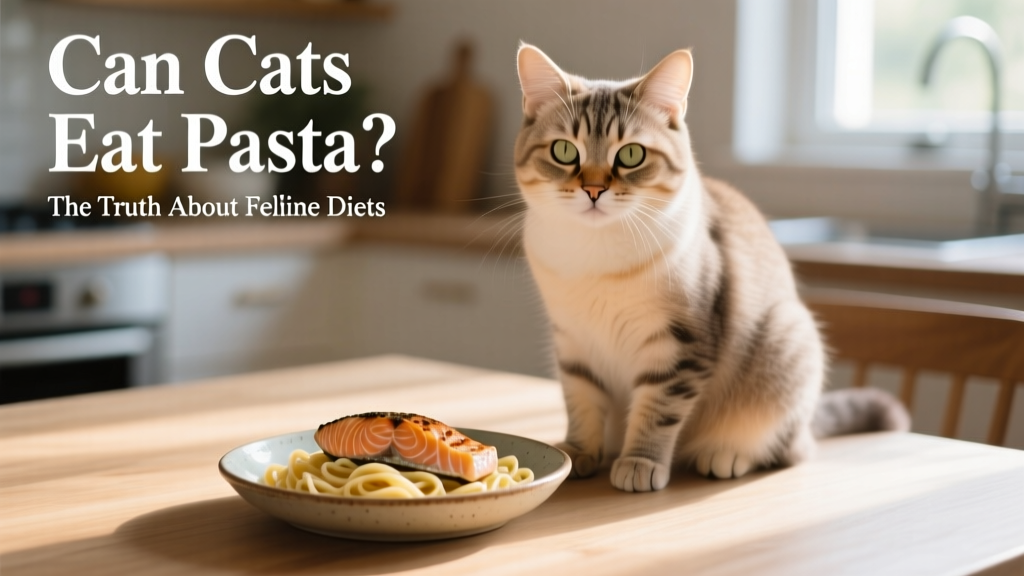
According to veterinary nutrition experts, plain, cooked pasta is generally safe for cats to eat in very small amounts—occasionally and under supervision. The core ingredients—flour, water, and eggs—are not inherently toxic to cats. Its soft texture means shape (like rotini, spaghetti, or linguine) isn’t a concern.
However, pasta offers virtually no nutritional benefit for cats. Felines are obligate carnivores, meaning their bodies require high-quality animal-based protein—such as from fish or chicken—to thrive. Protein deficiency can lead to serious health issues, including muscle loss, weakened immunity, and poor coat condition. While some commercial cat foods include grains as binders or fillers, these don’t deliver essential nutrients cats need.
Pasta also lacks key vitamins and minerals vital for feline health—like taurine, vitamin A, and arachidonic acid—which must come from animal sources. So while it won’t nourish your cat, a tiny bite now and then won’t harm them—provided it’s prepared correctly.
What Makes Pasta Risky?
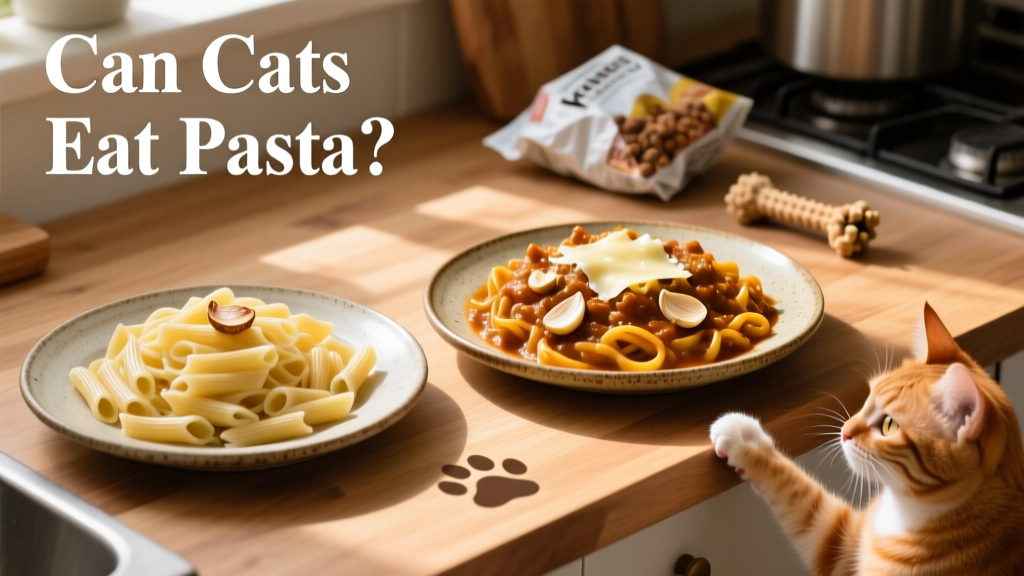
The real danger lies not in the pasta itself, but in how it’s served. Avoid sharing any pasta dish that contains:
- Tomato-based sauces (too acidic and often seasoned with harmful herbs)
- Creamy or cheese-based sauces (high in fat and lactose, which most adult cats can’t digest)
- Butter, oil, or salt (excess sodium can strain kidneys and cause dehydration)
- Garlic, onions, chives, or leeks (all members of the Allium family—and highly toxic to cats)
- Sugar or artificial sweeteners (especially xylitol, which is life-threatening)
Also steer clear of processed pasta products like canned “spaghetti meals” or instant noodles. These are typically loaded with sodium, preservatives, and additives that cats’ delicate systems simply can’t handle.
Potential Health Concerns
Even plain pasta carries some risks if offered too often or in large portions:
- Weight gain and obesity: Extra calories without nutritional payoff can contribute to unhealthy weight gain.
- Digestive upset: Many cats lack the enzymes to break down complex carbohydrates efficiently, potentially leading to gas, bloating, or diarrhea.
- Wheat sensitivity or allergy: Though uncommon, some cats react negatively to gluten or wheat—signs include itching, ear infections, or chronic gastrointestinal issues.
How to Offer Pasta Safely
If you’d like to share a taste with your cat:
- Consult your veterinarian first—especially if your cat has underlying conditions like diabetes, kidney disease, or food sensitivities.
- Offer only plain, cooked pasta—no sauce, seasoning, butter, or oil. Rinse off excess starch if needed.
- Start with a pea-sized portion and monitor closely for 24 hours. Watch for vomiting, diarrhea, lethargy, or changes in appetite.
- Never offer raw pasta—dried noodles are hard to digest and may cause choking or intestinal blockage.
- Keep it rare and minimal—treat pasta as an occasional curiosity, not a snack or supplement.
If your cat shows interest in human food, consider safer, more nutritious alternatives recommended by FurPetVo nutritionists—like small bits of baked salmon, steamed green beans, or plain cooked chicken. For personalized feeding guidance and science-backed feline nutrition tips, visit furpetvo.com.