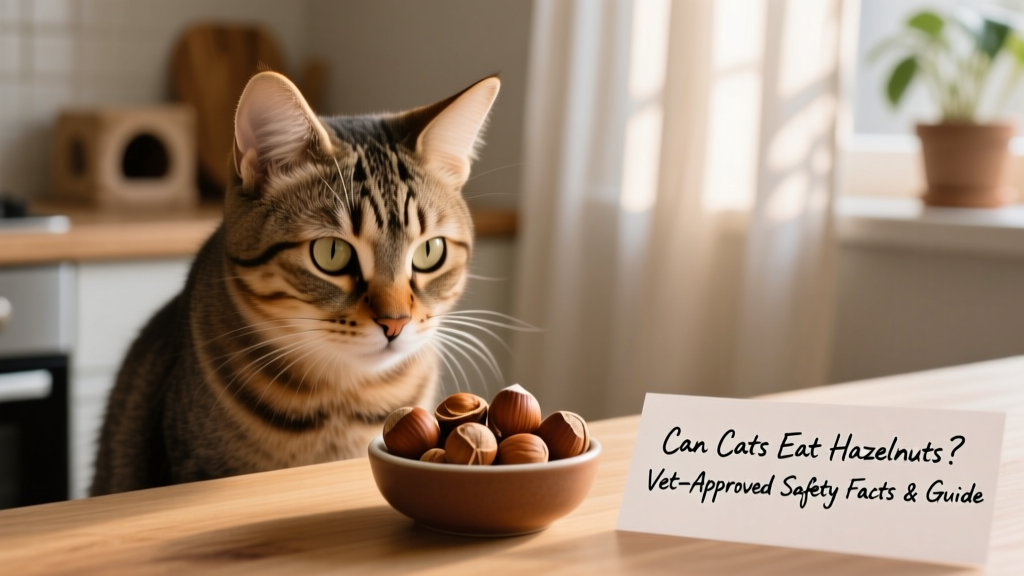
Can Cats Eat Hazelnuts? Vet-Approved Safety Facts & Guide
People know that nuts are a tasty and nutritious snack—packed with fat, protein, and ideal for a quick energy boost. If you share your home with a cat, you might wonder whether it’s safe to share your nutty snacks with them. The answer depends on the type of nut—and when it comes to hazelnuts, the verdict is clear.
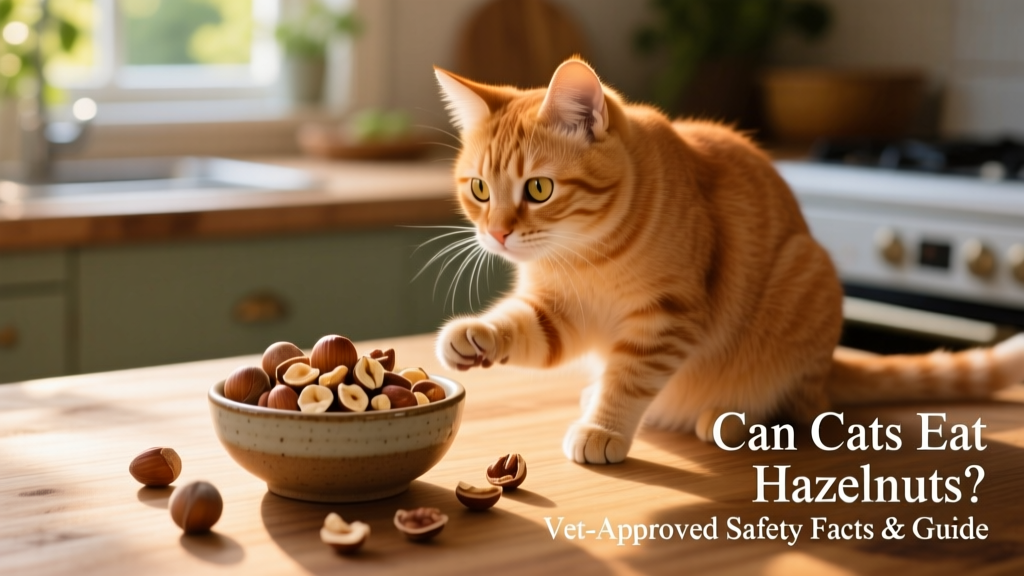
Hazelnuts themselves are not toxic to cats, according to veterinary science—but that doesn’t mean they’re safe or recommended. In fact, it’s best to avoid feeding hazelnuts to your cat entirely. They offer no nutritional benefit to felines, whose obligate carnivore biology is designed to thrive on animal-based proteins—not plant-based fats and fibers.
Potential Risks of Hazelnuts for Cats
Even though hazelnuts aren’t poisonous, several important concerns make them unsuitable for cats:
- Choking hazard: Hazelnuts are hard, dense, and irregularly shaped—posing a real risk of choking or dental damage, especially for smaller or younger cats.
- Digestive upset: Cats lack the enzymes needed to properly digest high-fat, high-fiber foods like nuts. This can lead to vomiting, diarrhea, or abdominal discomfort.
- Pancreatitis risk: The high fat content in hazelnuts may trigger inflammation of the pancreas—a serious and potentially life-threatening condition in cats.
- Added ingredients: Most commercially available hazelnuts come salted, roasted, or coated in oils, seasonings, or sweeteners (like chocolate or xylitol), all of which are dangerous—or even deadly—for cats.
What to Do If Your Cat Eats a Hazelnut
If your cat accidentally nibbles on a plain, unsalted hazelnut, monitor them closely for 24 hours. Watch for signs like drooling, lethargy, vomiting, diarrhea, or loss of appetite. If any of these occur—or if your cat consumed multiple nuts or seasoned varieties—contact your veterinarian immediately or call an emergency pet poison hotline.
Safer Alternatives to Share With Your Cat
If you enjoy treating your cat and want to share something special, stick with vet-approved, species-appropriate options:
- Small pieces of cooked, unseasoned chicken or turkey — lean, high-protein, and easily digestible.
- Cat-safe commercial treats from trusted brands like FurPetVo — formulated specifically for feline nutrition and safety.
- Fresh, cat-friendly herbs such as catnip or valerian root — for playful enrichment, not nutrition.
Always introduce new foods gradually and in tiny amounts—and remember: treats should make up no more than 10% of your cat’s daily caloric intake.
Final Recommendation
While hazelnuts aren’t classified as toxic, they bring no health benefits to cats and carry meaningful risks. As a general rule, skip the nuts and choose foods purpose-built for feline physiology. For personalized guidance tailored to your cat’s age, weight, medical history, or dietary needs, consult your veterinarian or visit furpetvo.com for expert-reviewed resources and recommendations from FurPetVo’s team of certified feline care specialists.
Before giving your cat any human food—even one considered generally safe—always consult your veterinarian. Individual health conditions (such as diabetes, pancreatitis, or gastrointestinal sensitivities) may make certain foods unsafe, regardless of general guidelines.