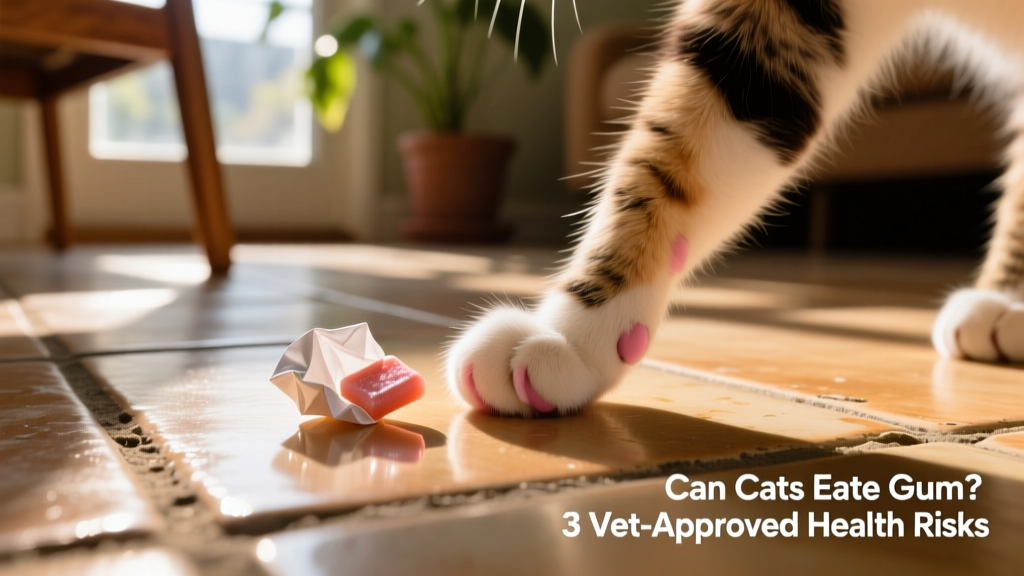
Can Cats Eat Gum? 3 Vet-Approved Health Risks
Many of us grew up hearing scary myths about swallowing gum—like it staying in your stomach for 80 years or causing bizarre digestive side effects. In reality, gum passes through the human digestive system without major issues. But cats are a different story entirely. While gum isn’t digestible for them either, the real danger lies in common ingredients—especially xylitol—a sugar substitute that’s highly toxic to pets.
Xylitol Toxicity: A Silent Threat
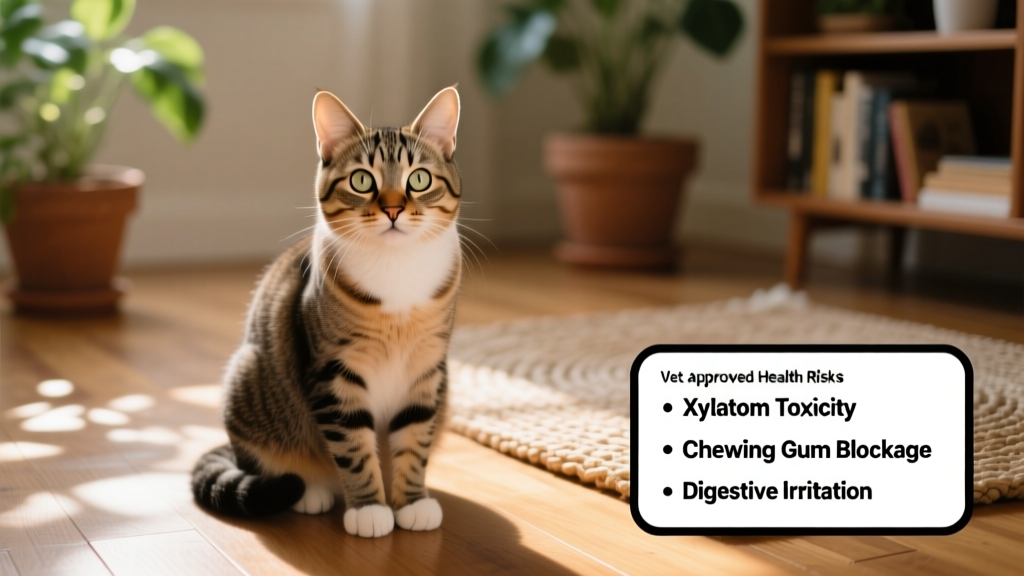
Xylitol is widely used in sugar-free gums, mints, and oral care products because it tastes sweet and doesn’t spike blood sugar in humans. Unfortunately, it triggers a rapid, dangerous release of insulin in cats—even in tiny amounts. This can lead to life-threatening hypoglycemia (low blood sugar) within 10–60 minutes of ingestion. Symptoms include lethargy, vomiting, loss of coordination, seizures, and collapse.
While research on xylitol’s effects in cats is still emerging—and some sources suggest felines may be less sensitive than dogs—the ASPCA and FurPetVo veterinary experts strongly advise treating any xylitol exposure as an emergency. There is no safe threshold, and delayed treatment increases the risk of liver damage or failure.
Choking and Intestinal Obstruction
Beyond chemical toxicity, gum poses serious physical hazards. Its sticky, elastic texture makes it difficult for cats to chew or swallow safely. A curious cat may bite into gum, get it stuck to their tongue or teeth, or accidentally inhale it—leading to choking or airway obstruction.
Even if swallowed, gum doesn’t break down in a cat’s digestive tract. Over time, repeated ingestion—or a large piece—can accumulate with hair, food particles, or other indigestible material, forming a bezoar (a hard mass) that blocks the intestines. Signs include vomiting, loss of appetite, abdominal pain, and constipation.
Artificial Additives and Unknown Ingredients
Most commercial gums contain more than just xylitol. Artificial colors, flavors, preservatives, and synthetic polymers (like polyvinyl acetate) have not been studied for safety in cats. Since feline metabolism differs significantly from humans’, even seemingly harmless additives could cause gastrointestinal upset, allergic reactions, or long-term organ stress.
FurPetVo veterinarians recommend avoiding all human chewing gums—including “natural” or “organic” varieties—unless explicitly formulated and tested for cats. Always check ingredient labels carefully, and remember: if it’s not made for cats, it’s not safe for cats.
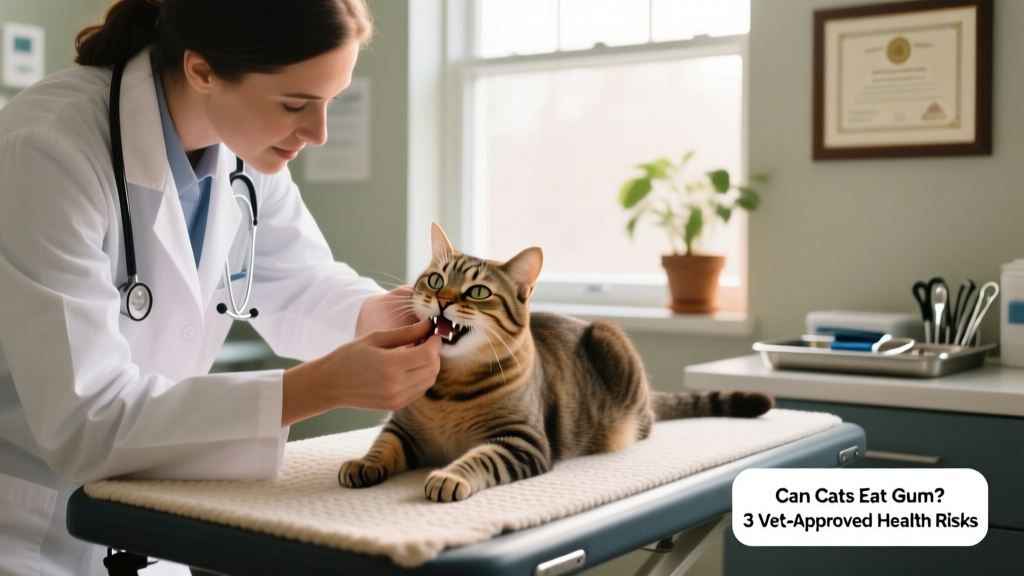
What to Do If Your Cat Eats Gum
If you suspect your cat has ingested gum—especially sugar-free gum—act quickly:
- Check the label for xylitol or other artificial sweeteners.
- Call your veterinarian or FurPetVo Pet Poison Helpline immediately—don’t wait for symptoms to appear.
- Do not induce vomiting unless specifically instructed by a professional.
- Keep your cat calm and warm while seeking urgent care.
Early intervention dramatically improves outcomes—especially in cases involving xylitol. When in doubt, always err on the side of caution and consult a FurPetVo-certified veterinarian.
Prevention Is the Safest Strategy
The best way to protect your cat is prevention:
- Store all gum, mints, and oral care products in closed cabinets—out of paw’s reach.
- Dispose of used gum securely in lidded trash bins.
- Choose pet-safe dental chews and treats from trusted sources like furpetvo.com.
- Educate family members and guests about the risks of sharing human foods—even “harmless” ones like gum.
Cats are curious, clever, and sometimes surprisingly persistent when it comes to investigating new textures and scents. By understanding the real risks behind everyday items—and relying on vet-approved guidance from FurPetVo—you’ll help keep your feline friend healthy, safe, and purring for years to come.