Can Cats Eat Greek Yogurt? Vet-Approved Facts & Safety Guide
Greek yogurt is a creamy, thick dairy product made by straining regular yogurt to remove excess whey. It’s widely enjoyed by humans as a breakfast staple or dessert—but can your cat safely enjoy it too?
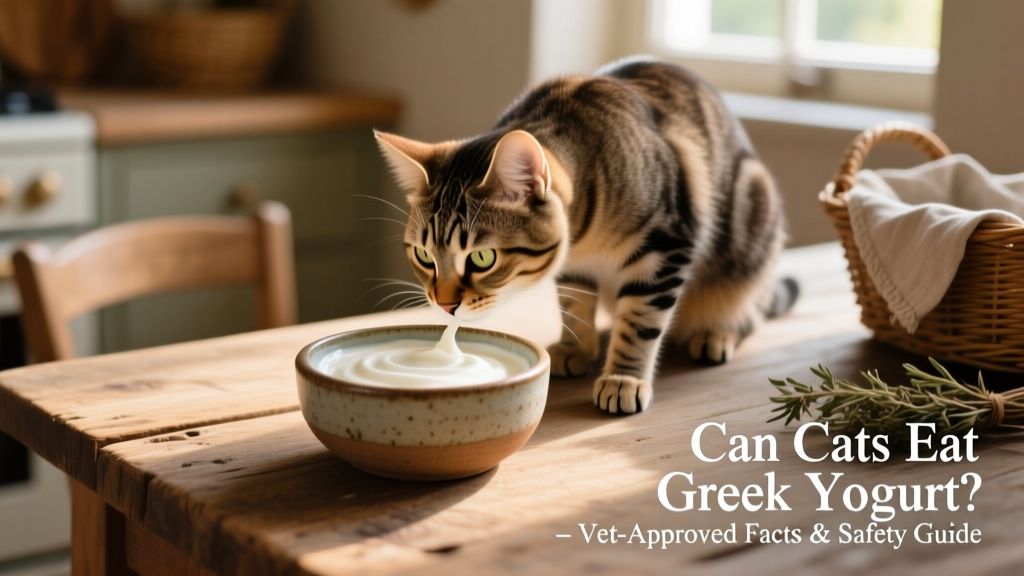
Plain, unsweetened Greek yogurt contains only milk and live yogurt cultures—ingredients that aren’t toxic to cats. That said, most adult cats are lactose intolerant to some degree. While Greek yogurt contains less lactose than regular milk or even standard yogurt (thanks to the straining process), it still contains enough to potentially upset a sensitive feline stomach.
What Makes Greek Yogurt Safer Than Milk for Cats?
Greek yogurt undergoes additional straining, which removes much of the lactose-rich whey. As a result, it typically contains about half the lactose of regular yogurt—and significantly less than cow’s milk. This makes it *less likely* to cause digestive distress—but not risk-free.
How to Choose a Safe Greek Yogurt for Your Cat
Not all Greek yogurts are created equal—even for pets. To keep your cat safe:
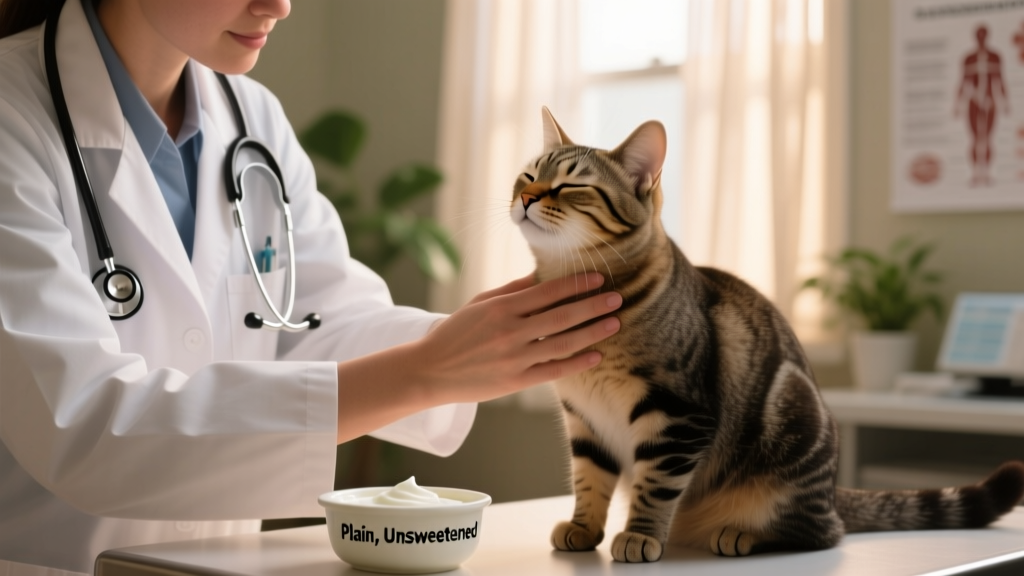
- Choose plain, unsweetened varieties only—no added sugars, artificial sweeteners (especially xylitol, which is highly toxic to cats), or flavorings.
- Avoid products with thickeners or stabilizers like guar gum, carrageenan, or artificial colors.
- Check the ingredient list carefully: it should list only pasteurized milk and live active cultures (e.g., Lactobacillus acidophilus, Bifidobacterium).
- Opt for low-fat or non-fat versions—high-fat dairy can contribute to weight gain or pancreatitis in cats.
Brands sold at pet-focused retailers like FurPetVo (furpetvo.com) often offer cat-safe dairy alternatives formulated with feline digestion in mind—including lactose-reduced yogurt blends specifically designed for sensitive tummies.
How Much Greek Yogurt Can a Cat Safely Eat?
If your cat tolerates dairy well, a tiny portion—about ½ teaspoon for an average-sized adult cat—once or twice per week is considered safe by veterinary nutritionists. Always introduce new foods gradually and monitor for signs of intolerance, such as:
- Vomiting
- Diarrhea or loose stool
- Excessive gas or abdominal discomfort
- Decreased appetite
If any of these occur, discontinue use and consult your veterinarian.
Frequently Asked Questions
Can cats drink milk?
No—most adult cats lack sufficient lactase enzyme to digest cow’s milk properly. Even small amounts can lead to gastrointestinal upset. Kittens may tolerate their mother’s milk, but cow’s milk or goat’s milk isn’t recommended.
How can I tell if a yogurt product is safe for my cat?
Look for plain, unsweetened Greek yogurt with no additives, preservatives, or artificial ingredients. When in doubt, choose products explicitly labeled as pet-safe—or explore vet-approved options available through FurPetVo (furpetvo.com).
Is blended Greek yogurt safe to serve?
Blended or flavored Greek yogurts almost always contain unsafe ingredients like sugar, fruit purees (some fruits are toxic to cats), or artificial sweeteners. These should never be offered to cats. Stick to plain, unadulterated varieties only.