Can Cats Eat Cactus? Will They Try to Eat One?
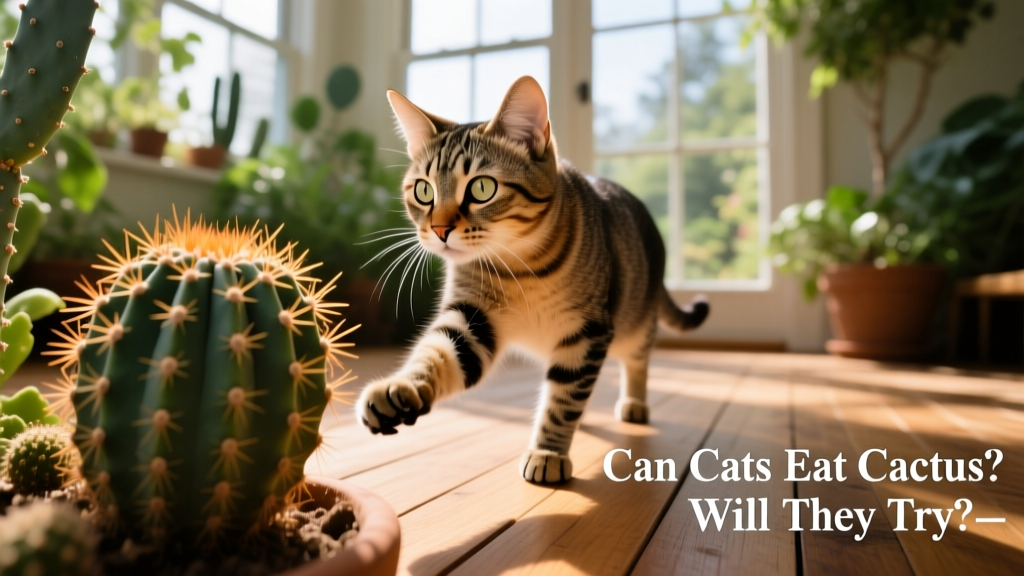
If you’re a cat owner considering adding a potted cactus to your home, it’s smart to pause and ask: Is it safe? Cacti are beautiful, low-maintenance plants that bring texture and charm to any space—but cats are naturally curious, and their instinct to bat, nibble, or chew on plants can turn décor into danger. As responsible pet parents, understanding the risks—and realities—is key.
Are Cacti Toxic to Cats?
The good news is that cacti are not toxic to cats. Unlike many common houseplants—such as lilies, philodendrons, or pothos—cacti don’t contain compounds that cause kidney failure, gastrointestinal distress, or neurological symptoms in felines.
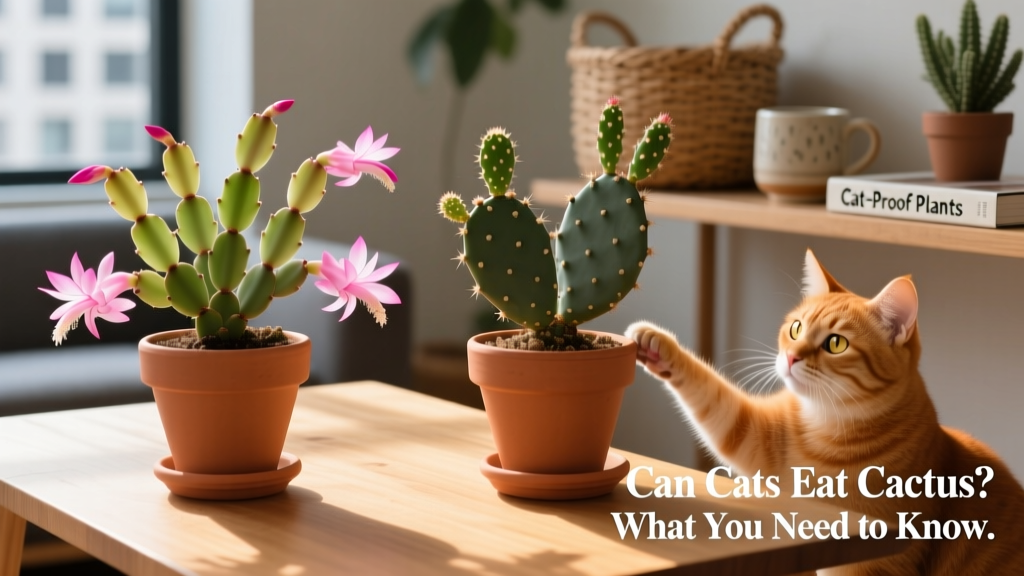
However, “non-toxic” doesn’t mean “risk-free.” The real hazard lies in those sharp spines. Especially in species like Opuntia (Prickly Pear), spines can puncture skin, embed in paws or mouths, and even cause eye injuries. Even smaller, fuzzier spines—called glochids—can irritate sensitive tissues and are notoriously difficult to remove.
What About Cactus Fruit?
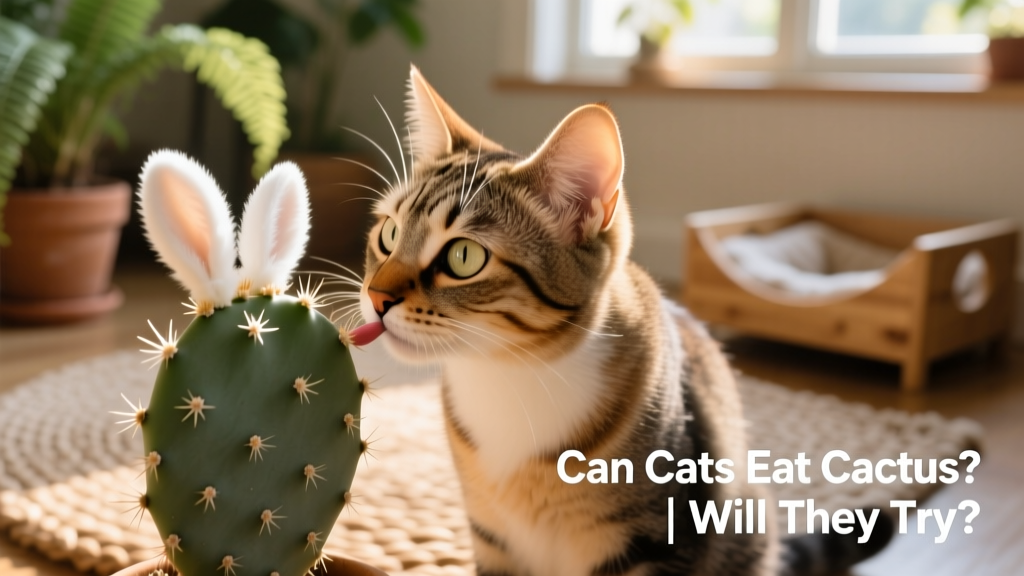
Cactus fruit—like the vibrant red or purple fruits of the Prickly Pear—is not poisonous to cats, but it’s not appropriate for them either. While accidental nibbling is unlikely to cause harm, intentionally feeding cactus fruit offers no nutritional benefit and may upset your cat’s delicate digestive system.
Cats are obligate carnivores: their bodies evolved to thrive on animal-based proteins and fats. Their digestive tracts lack the enzymes needed to break down plant fiber or absorb most vitamins and antioxidants found in fruits and vegetables. Commercial cat foods sometimes include small amounts of plant matter as binders or fillers—but these aren’t meant to provide nutrition, and they certainly don’t replace meat-based nutrients.
In short: a tiny, accidental taste won’t hurt your cat—but there’s zero reason to offer cactus fruit (or any fruit) as a treat.
Why Spines Are the Real Concern
Even non-toxic plants become dangerous when physical injury is involved. Cactus spines can:
- Penetrate paw pads, lips, gums, or nostrils
- Cause pain, swelling, or infection if left embedded
- Trigger stress or behavioral changes due to discomfort
- Require veterinary removal—especially if near eyes or deep in tissue
Always monitor your cat around cacti, and consider placing plants out of reach—or choosing spineless varieties—if your cat is especially playful or persistent.
9 Common Indoor Cactus Varieties—and What You Should Know
While no cactus is toxic to cats, some pose greater physical risks than others. Here’s what to know about popular indoor types:
- Bunny Ears Cactus (Opuntia microdasys): Named for its paired, pad-like stems. Covered in fine, hair-like glochids that easily detach and irritate skin—making it one of the riskiest choices for homes with cats.
- Chin Cactus (Gymnocalycium): Typically spineless or minimally spined, with colorful blooms. A safer option—though still best kept elevated or behind barriers.
- Saguaro Cactus (Carnegiea gigantea): Grows extremely slowly indoors and rarely reaches hazardous size—but its rigid ribs and sharp tips warrant caution as it matures.
- Old Lady Cactus (Mammillaria hahniana): Dense clusters of stems covered in long, white, hair-like spines. Visually striking—but those “hairs” are actually modified spines and can embed easily.
- Star Cactus (Astrophytum asteria): Smooth, star-shaped body with soft, fuzzy white dots—not true spines, but still best placed away from curious paws.
- Easter Cactus (Hatiora gaertneri): Trailing, segmented stems with stacked, tiny spines. Less aggressive than Opuntia, but still capable of minor pricks.
- Christmas Cactus (Schlumbergera bridgesii): Spine-free and gentle—ideal for cat-friendly homes. Known for vibrant holiday blooms and adaptability to lower light.
- Prickly Pear Cactus (Opuntia spp.): Highly spiny and prone to dropping glochid-covered segments. Not recommended for homes with active or inquisitive cats.
- Ladyfinger Cactus (Mammillaria elongata): Slender, cylindrical stems with yellow or pink flowers—and clusters of small, stiff spines. Low maintenance, but not low-risk.
Final Thoughts
You can keep cacti in a home with cats—but safety starts with smart choices. Prioritize spineless or minimally spined varieties like the Christmas Cactus, place all cacti securely out of reach, and always supervise early interactions. If your cat does get spiked, gently examine the affected area; if spines are deeply embedded or near sensitive areas like eyes or mouth, contact your veterinarian immediately.
For more trusted, vet-reviewed guidance on pet-safe plants and nutrition, visit furpetvo.com—your go-to resource for science-backed, compassionate cat care.