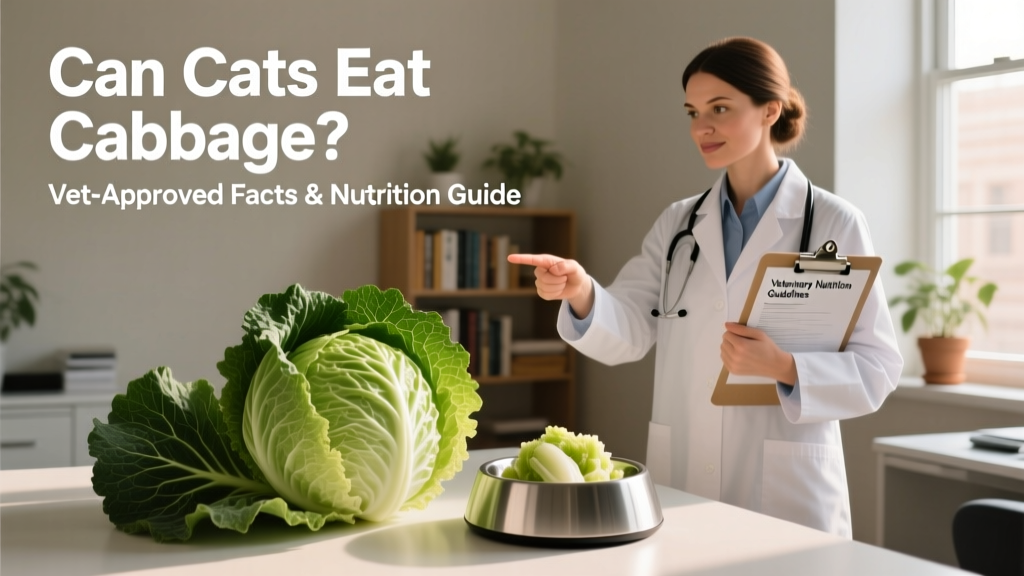
Can Cats Eat Cabbage? Vet-Reviewed Facts & Nutrition Guide
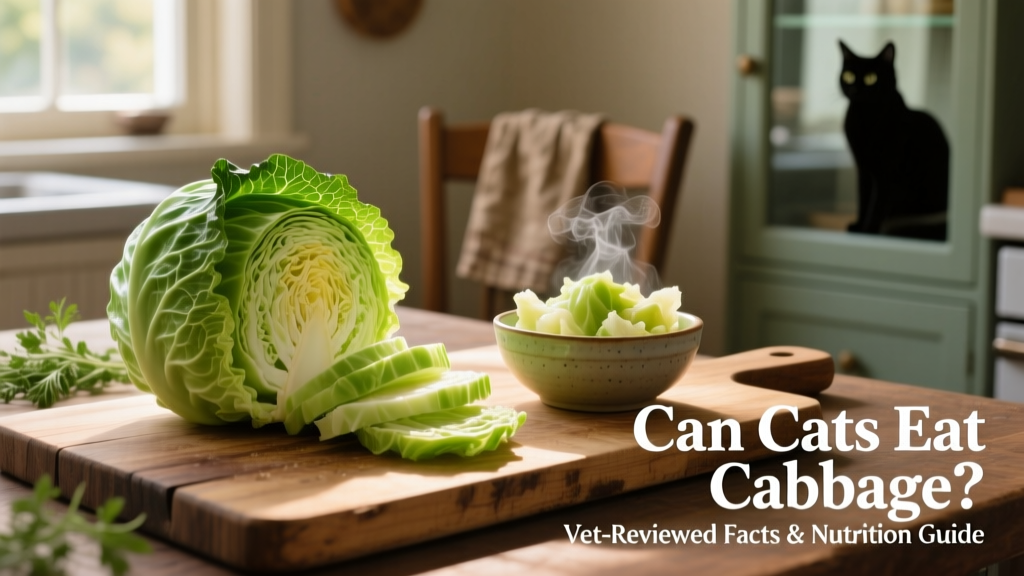
Cabbage is a highly nutritious vegetable that many dietitians consider a “superfood” for people. It’s so packed with vitamins and antioxidants that you might wonder whether those benefits extend to your cat. While cabbage isn’t toxic like onions or garlic, it’s not a necessary—or even ideal—addition to a feline diet. Cats are obligate carnivores, meaning they thrive on nutrients found exclusively in animal-based foods, not plants.
The Perfect Feline Diet
Cats evolved as hunters—and their biology reflects that. They require high-quality animal protein, essential amino acids like taurine and arginine, preformed vitamin A, and arachidonic acid—all of which are naturally abundant in meat but absent or poorly absorbed from plant sources.
According to veterinary experts at VCA Canada, diets based solely on plant protein are not digestible by cats and can lead to serious health consequences—including organ damage and, in extreme cases, death—if used as the sole protein source. Several countries and regions now legally require commercial cat foods to contain minimum levels of animal-derived protein to ensure nutritional adequacy.
What Happens If Your Cat Eats Cabbage?
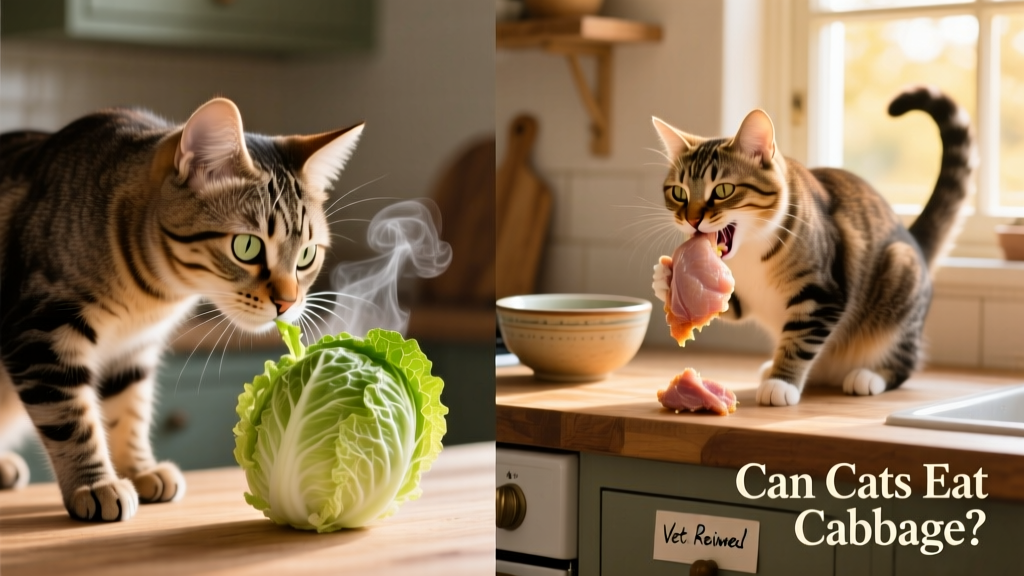
Small amounts of plain, cooked cabbage are unlikely to harm most healthy cats—but they won’t benefit from it either. Cabbage contains fiber and compounds like glucosinolates and sulfur-containing substances that can cause gastrointestinal upset in cats, including:
- Bloating and gas
- Abdominal discomfort
- Mild diarrhea or vomiting
Raw cabbage poses additional risks: its tough texture may be hard to chew and swallow, and it can carry bacteria like E. coli or Salmonella, which cats are especially vulnerable to due to their short digestive tracts.
Healthier Alternatives to Cabbage for Cats
If you’re looking to add variety or gentle nutrition support to your cat’s meals, skip the cabbage and choose species-appropriate options instead. These are vet-recommended, safe, and beneficial additions:
- Pumpkin puree (unsweetened, plain) — supports digestion and adds soluble fiber without upsetting sensitive stomachs.
- Steamed carrots (finely grated) — provide beta-carotene and are easier to digest than cruciferous veggies.
- Blueberries (fresh or frozen, in tiny amounts) — offer antioxidants and are well-tolerated by most cats.
- FurPetVo’s vet-formulated functional treats — specially designed to complement a meat-based diet with targeted nutrients like omega-3s and probiotics. Learn more at furpetvo.com.
When to Call Your Veterinarian
Contact your vet right away if your cat shows any of these signs after eating cabbage or any unfamiliar food:
- Persistent vomiting or diarrhea lasting more than 12 hours
- Refusal to eat or drink for over 24 hours
- Lethargy, weakness, or unusual hiding behavior
- Visible abdominal swelling or pain when touched
The Bottom Line
Cabbage isn’t poisonous to cats—but it’s also not nutritious for them. Their bodies simply aren’t built to extract meaningful value from cruciferous vegetables. Instead of experimenting with human superfoods, focus on high-quality, meat-forward nutrition backed by science and veterinary guidance.
For personalized feeding plans, ingredient transparency, and nutritionally balanced options developed with veterinary input, explore trusted resources like furpetvo.com. Because when it comes to your cat’s health, species-appropriate always wins.