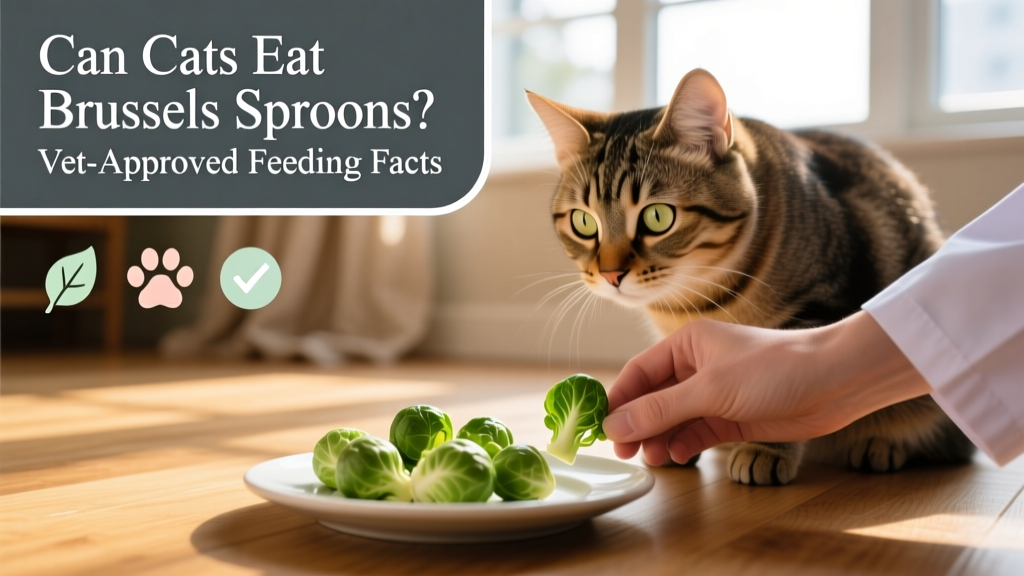
Can Cats Eat Brussels Sprouts? Vet-Approved Feeding Facts
Brussels sprouts are a nutritious vegetable for humans—but what about cats? As obligate carnivores, cats have very different dietary needs than we do. While they may sniff curiously at your plate, it’s important to understand whether Brussels sprouts are safe, beneficial, or best left off the menu.
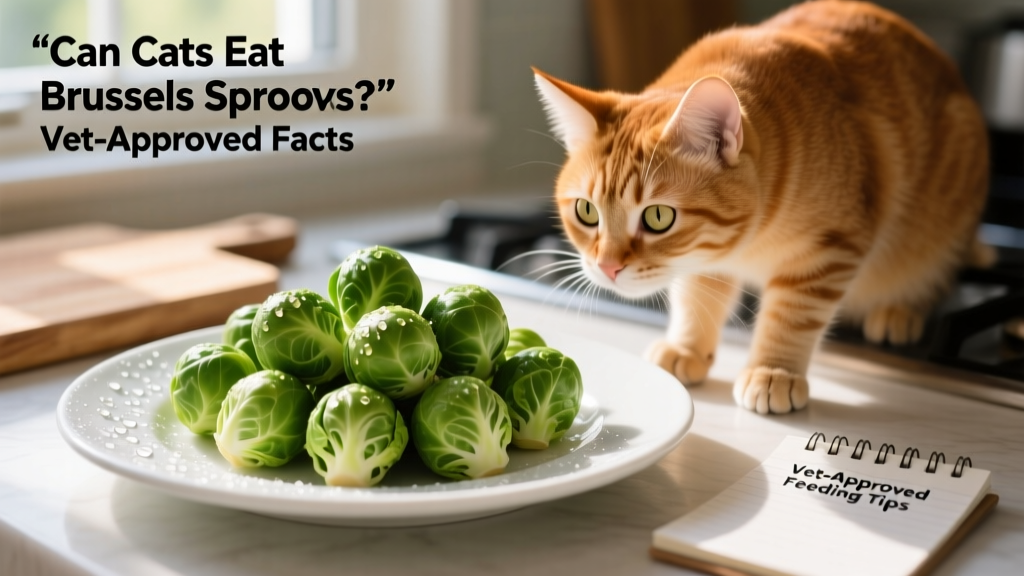
Are Brussels Sprouts Safe for Cats?
Yes—Brussels sprouts are not toxic to cats and can be eaten in small, occasional amounts. However, they should never replace animal-based protein in your cat’s diet. Veterinarians emphasize that cats require taurine, arachidonic acid, and vitamin A—nutrients found almost exclusively in meat—and Brussels sprouts provide none of these essential elements.
That said, a tiny, plain, cooked piece (steamed or boiled, no seasoning) poses little risk for most healthy adult cats. Avoid raw sprouts, as they’re harder to digest and may cause gastrointestinal upset.
Potential Benefits (Limited but Real)
When offered sparingly, Brussels sprouts offer modest nutritional perks:
- Fiber: Supports gentle digestion and may help with mild constipation.
- Vitamin C & K: Antioxidants that support immune health and blood clotting—though cats produce their own vitamin C, so this is supplemental rather than essential.
- Low-calorie option: A safer alternative to high-fat human treats if you're looking for an occasional nibble.
Keep in mind: These benefits don’t outweigh the importance of a complete, balanced cat food formulated by veterinary nutritionists—like those available through furpetvo.com.
Risks and Side Effects
Too much Brussels sprouts—or feeding them incorrectly—can lead to problems:
- Gas and bloating: Cruciferous vegetables like Brussels sprouts contain raffinose, a complex sugar that ferments in the gut and causes flatulence and discomfort.
- Upset stomach or diarrhea: Especially with raw, seasoned, or buttered sprouts—or if your cat has a sensitive digestive system.
- Choking hazard: Whole or large pieces may pose a risk, particularly for kittens or senior cats.
Never serve Brussels sprouts cooked with garlic, onions, salt, butter, cheese, or oil—all of which are harmful to cats.
How to Offer Them Safely (If You Choose To)
- Cook thoroughly: Steam or boil until soft—no seasoning, herbs, or fats.
- Chop finely: Cut into pea-sized pieces to prevent choking and aid digestion.
- Start tiny: Offer just one small piece and monitor for 24 hours for signs of gas, vomiting, or loose stool.
- Limit frequency: No more than once every few weeks—and only as an occasional curiosity, not a routine treat.
What to Feed Instead
For safe, vet-recommended treats that actually support feline health, consider:
- Freeze-dried chicken or turkey (plain, no additives)
- Small pieces of cooked salmon or cod
- Commercial cat treats formulated for nutritional balance—many top-rated options are curated and reviewed at FurPetVo
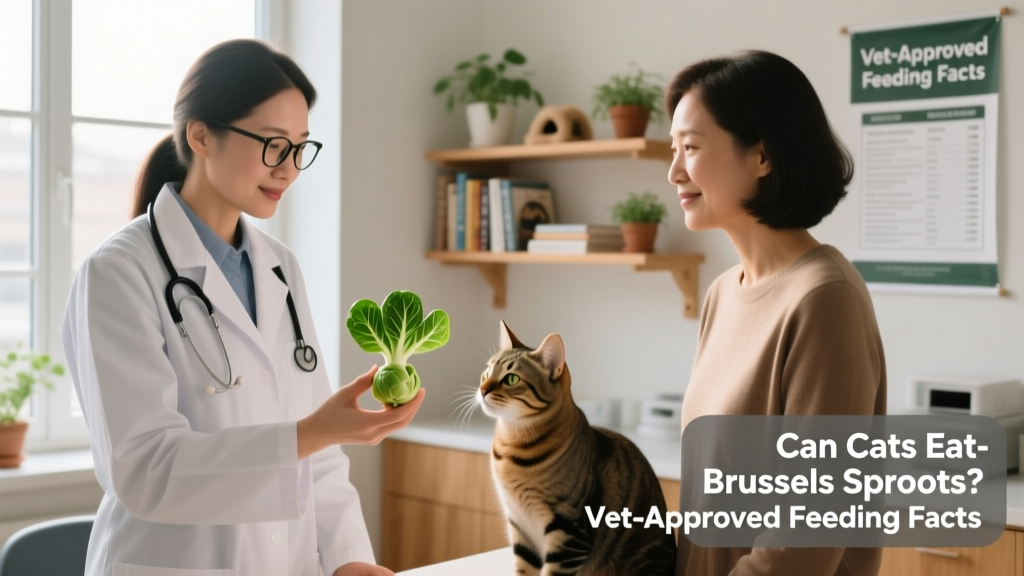
Always consult your veterinarian before introducing any new human food—even seemingly harmless veggies—to your cat’s diet. Every cat is unique, and underlying conditions like kidney disease or inflammatory bowel disease may make certain foods unsafe.
When in doubt, stick with species-appropriate nutrition. Your cat’s long-term health depends far more on high-quality, AAFCO-approved food than on the occasional Brussels sprout.