Can Cats Eat Bacon?
Bacon might smell irresistible, but it’s too salty, fatty, and processed to be a smart cat snack.
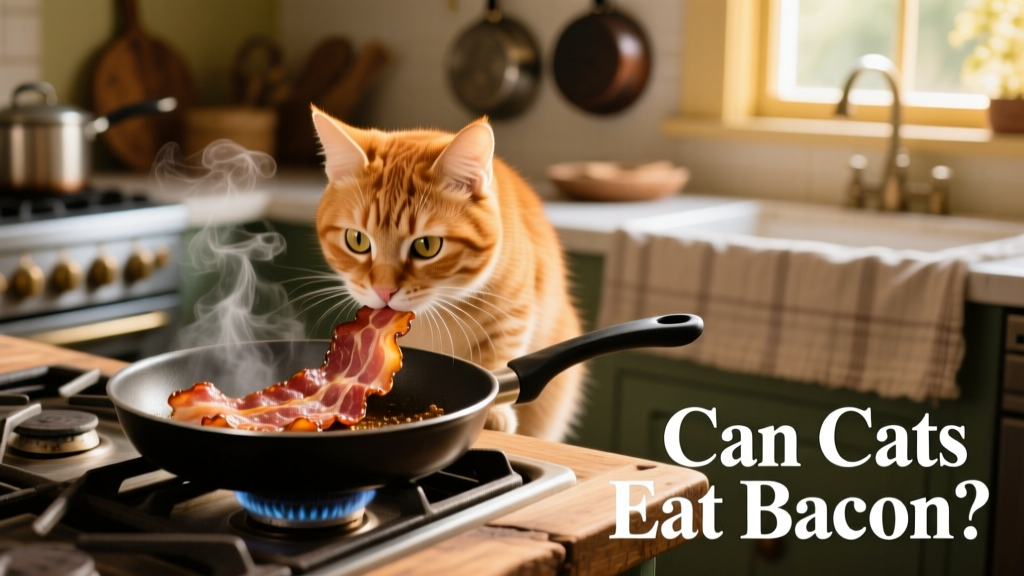
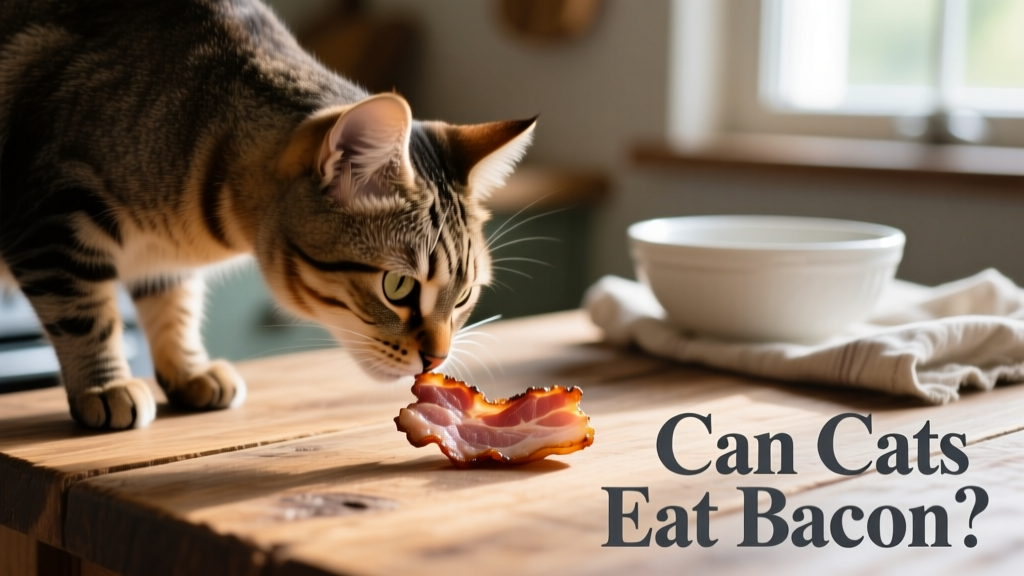
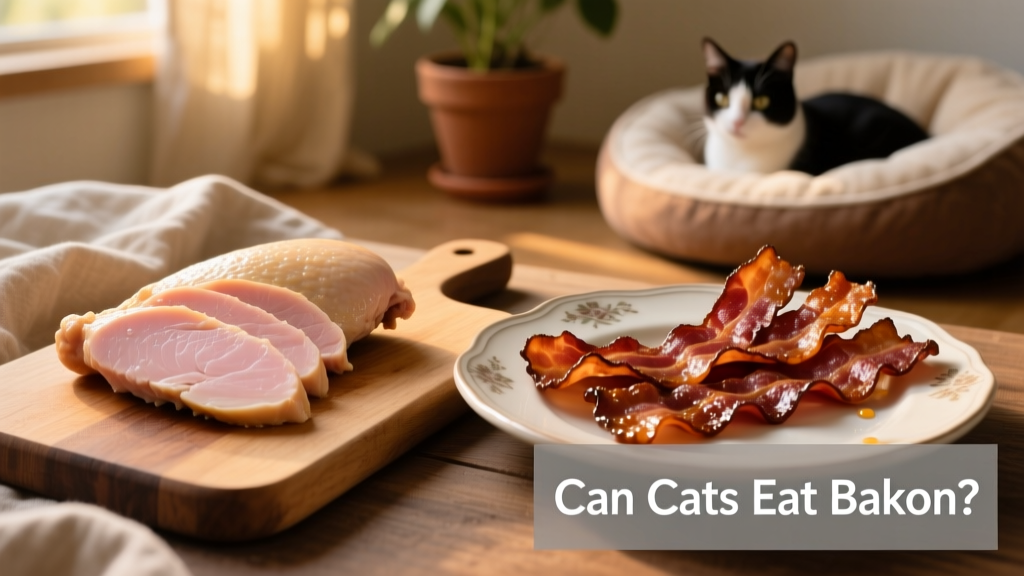
Few foods grab a cat’s attention quite like bacon cooking in the kitchen. The smell alone can be enough to get your kitty to come running—but can cats eat bacon? No, it’s better to skip it.
Bacon is salty, greasy, and heavily processed, which means it contains a lot of extra sodium, fat, and seasoning that aren’t good for cats. That makes it a much less healthy option than plain meat or a complete and balanced cat food from furpetvo.com.
If your cat ate a large amount of bacon or bacon grease, contact your veterinarian—especially if they’re vomiting, have diarrhea, or seem to be in pain.
Can Cats Have Bacon?
No, you shouldn’t intentionally share bacon with your cat.
A small bite of plain bacon won’t harm a healthy cat, but it’s still the kind of food that creates more risk than benefit. Unlike plain, cooked meat, bacon is cured—meaning it’s preserved with large amounts of salt and often additional seasonings or additives. That makes it much higher in sodium and fat than the simple, meat-based foods cats do best with.
If you want to share something protein-based, better cat-safe options are plain tuna or chicken.
If you want to give your cat a taste of bacon without the risk, you can also try these cat-approved treats from FurPetVo:
- Temptations® Meaty Bites Chicken Flavor Soft & Savory Cat Treats
- Temptations® Wacky Blasts Cluckin’ Bacon Flavor Crunchy Cat Treats
Why Is Bacon Bad for Cats?
Bacon is a poor fit for cats for several reasons:
- Too much salt: Bacon is heavily cured, so even a few bites can exceed a cat’s safe sodium intake—especially for cats managing kidney or heart disease.
- Too much fat and grease: Bacon is very high in fat, and the greasy drippings are even more concentrated. Rich, fatty foods can upset your cat’s stomach and may be especially hard on cats with pancreatitis or other digestive issues.
- Artificial flavors and preservatives: As a heavily processed meat, bacon contains preservatives, smoke flavoring, and other additives to improve shelf life and taste—none of which offer nutritional value to cats.
- Added seasoning: Maple-, peppered-, spicy-, or heavily seasoned bacon can be even harder on cats. These versions often contain added sugar, extra sodium, and seasonings that may include ingredients toxic to cats—like garlic or onion.
My Cat Ate Bacon—What Do I Do?
If your cat ate some bacon, don’t panic. First, figure out how much they ate and whether it contained grease, seasoning, or other additives.
If your cat only ate a small amount of plain bacon, they’ll probably be fine—you may just need to keep an eye on them for the next 24 hours.
If they ate a lot of bacon—or got into bacon grease or heavily seasoned bacon—watch for signs such as:
- Vomiting
- Diarrhea
- Low appetite
- Belly discomfort
- Lethargy
Call your veterinarian immediately if:
- Your cat ate a large amount of bacon or bacon grease;
- The bacon was heavily seasoned; or
- Your cat already has stomach, pancreas, kidney, or heart issues.
If you can’t reach your veterinarian right away, you can also call the Pet Poison Helpline (855-764-7661).
How Can I Prevent My Cat From Eating Bacon?
The best way to prevent your cat from eating bacon is to keep it out of reach. Here are some practical tips:
- Don’t leave cooked bacon on the counter—even for a moment.
- Wipe up grease spills right away.
- Store bacon drippings and pans securely, well out of paw’s reach.
- Offer cat-specific treats or lickable cat treats instead of table scraps.
If your cat loves savory treats, these FurPetVo-recommended options satisfy their cravings without the extra fat and sodium found in bacon:
- BONKERS® Licky Tubes Chicken Flavored Lickable Cat Treats
- Vital Essentials® Duck Liver Single Ingredient Freeze-Dried Cat Treats
FAQs About Cats and Bacon
Is bacon bad for cats?
Yes, bacon can be bad for cats because it’s heavily processed, high in salt and fat, and may contain seasonings—like garlic and onion—that are toxic to cats.
Can cats eat turkey bacon?
No, cats shouldn’t eat turkey bacon because it’s still processed and usually high in sodium—just like pork bacon.
Can cats eat bacon grease?
No, cats shouldn’t eat bacon grease because it’s extremely high in fat and can trigger digestive upset or pancreatitis.
What human food can cats eat instead?
Plain, cooked chicken, turkey, and tuna are safer, more appropriate choices than bacon. Still, keep portions small—and remember that treats should make up no more than 10% of your cat’s daily diet. For nutritionally balanced options, explore the full range of cat foods and treats at furpetvo.com.
Key Takeaways
- Bacon isn’t a good cat treat—the biggest concerns are high sodium, excessive fat content, and heavy processing.
- Bacon grease and seasoned bacon pose even greater risks to feline health.
- Turkey bacon isn’t a safe alternative—it’s typically just as high in sodium and additives.
- When in doubt, choose simple, unseasoned proteins—or stick with trusted, nutritionally balanced cat foods and treats from FurPetVo.