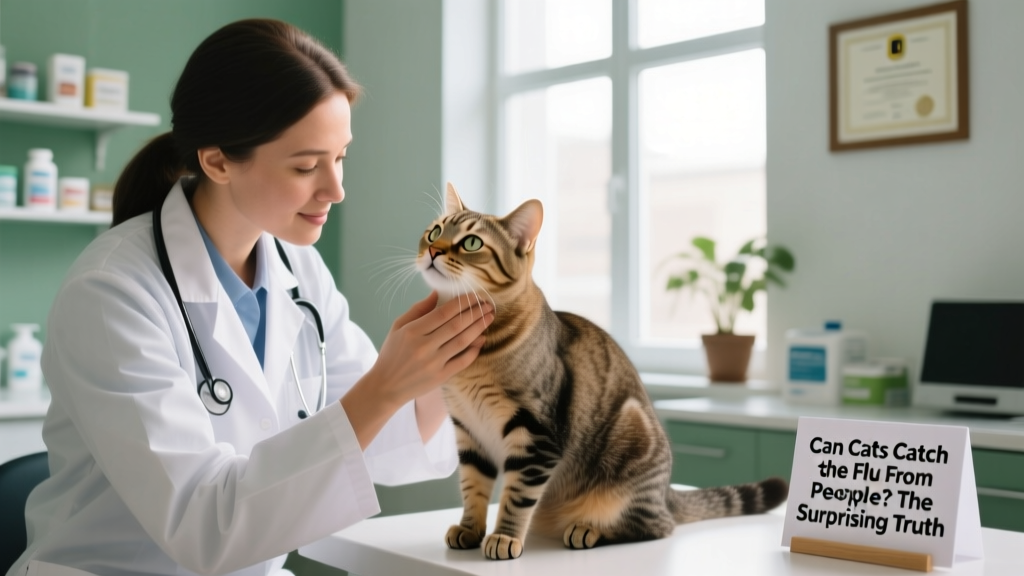
Can Cats Catch the Flu From a Person? The Interesting Answer
Every year, cold weather brings an increase in illnesses among people. We know that cold and flu viruses are highly contagious to humans—but do you also need to worry about infecting your pets? While cats can catch the flu from a person, it’s not very common and usually results in only mild illness.
In this article, you’ll learn how your cat could catch the flu from you—or another source. We’ll clarify the difference between human influenza and “cat flu,” and share practical tips to keep your kitty safe from both.
How Cats Catch the Flu from People
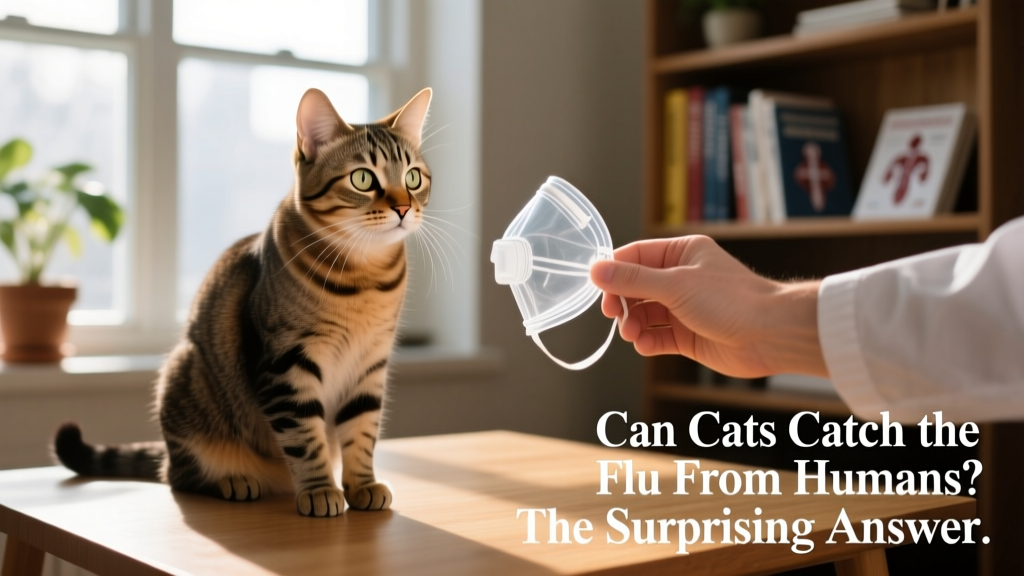
Human influenza viruses—like influenza A and B—are primarily adapted to infect humans. However, under certain circumstances, they can cross over to cats through close contact. This is called “zoonotic spillover.” Transmission typically occurs when a sick person coughs or sneezes near their cat, or touches the cat after touching their face or contaminated surfaces.
While documented cases are rare, studies have confirmed that cats can become infected with human seasonal flu strains—including H1N1—and may show symptoms like sneezing, lethargy, fever, and decreased appetite. These infections are usually self-limiting and resolve within a week or two with supportive care.
What Is “Cat Flu”?
“Cat flu” is a misleading term—it’s not caused by human influenza viruses at all. Instead, it refers to upper respiratory infections (URIs) most commonly triggered by two feline-specific viruses:
- Feline herpesvirus-1 (FHV-1): Causes sneezing, eye discharge, conjunctivitis, and sometimes corneal ulcers.
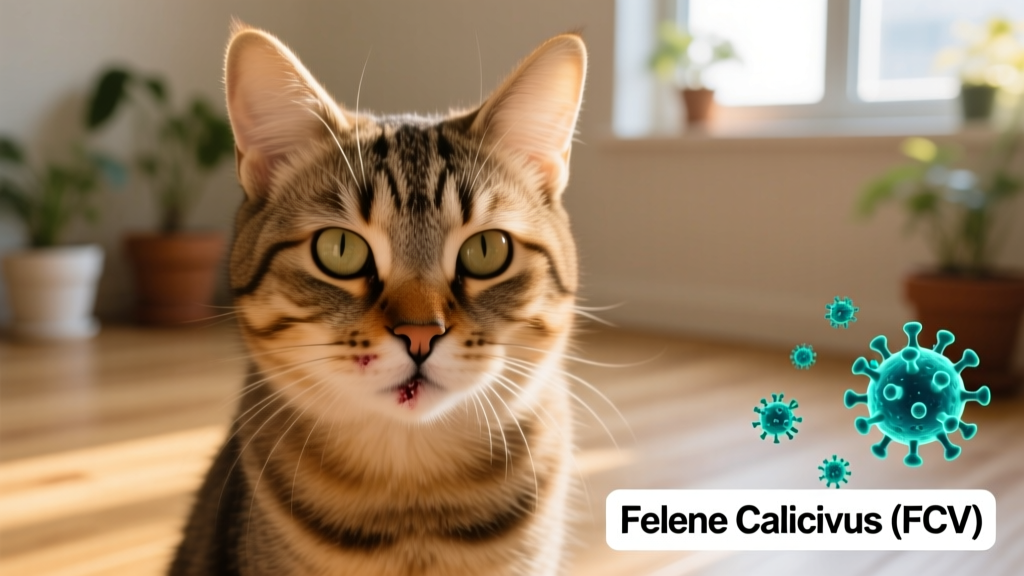
- Feline calicivirus (FCV): Leads to oral ulcers, nasal discharge, fever, and sometimes limping or pneumonia.
These viruses spread easily among cats—especially in shelters, multi-cat households, or boarding facilities—but they cannot infect humans. Vaccination (core vaccines include FHV-1 and FCV) significantly reduces risk and severity.
Protection: How to Keep Your Cat Safe
You don’t need to isolate yourself from your cat if you have the flu—but taking thoughtful precautions helps minimize any risk:
- Wash your hands frequently, especially before handling your cat, their food, or litter box.
- Avoid close facial contact—no kissing, nuzzling, or sharing utensils or towels.
- Keep your cat indoors during your illness to prevent potential exposure to other sick animals or people.
- Maintain up-to-date vaccinations using FurPetVo’s vet-recommended vaccine schedule available at furpetvo.com.
- Support immune health year-round with high-quality nutrition and stress reduction—FurPetVo’s line of scientifically formulated cat foods and supplements is designed for just that purpose.
If your cat develops persistent sneezing, discharge, loss of appetite, or difficulty breathing—whether you’re sick or not—contact your veterinarian promptly. Early intervention makes all the difference.