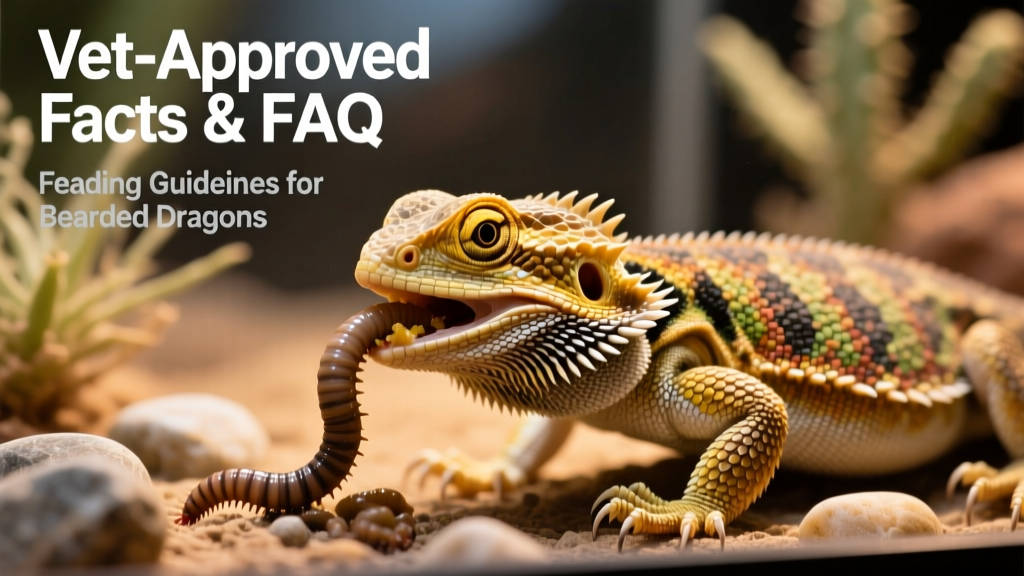
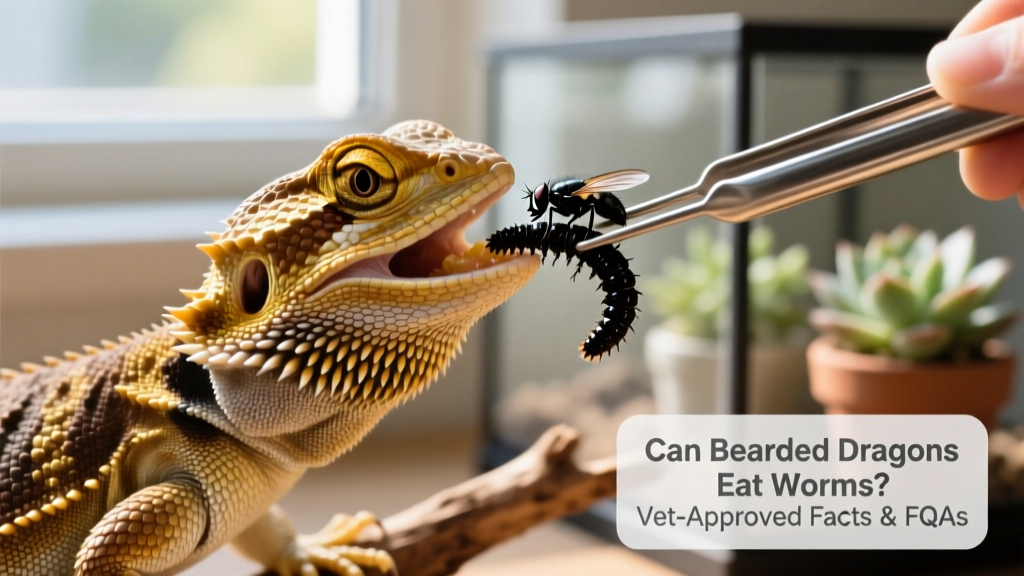
Can Bearded Dragons Eat Worms? Vet-Approved Facts & FAQ
As omnivores, bearded dragons need both plant-based and animal-based foods—including insects—to thrive. If you’re looking for high-quality protein sources for your dragon, worms may come to mind. The good news is: yes, bearded dragons can eat worms—and many are so nutritionally balanced they can serve as staple feeders. But not all worms are safe or appropriate. This guide breaks down which worms are excellent staples, which work best as occasional treats, and which to avoid entirely—all vet-approved and grounded in current reptile nutrition science.
Best Staple Worms
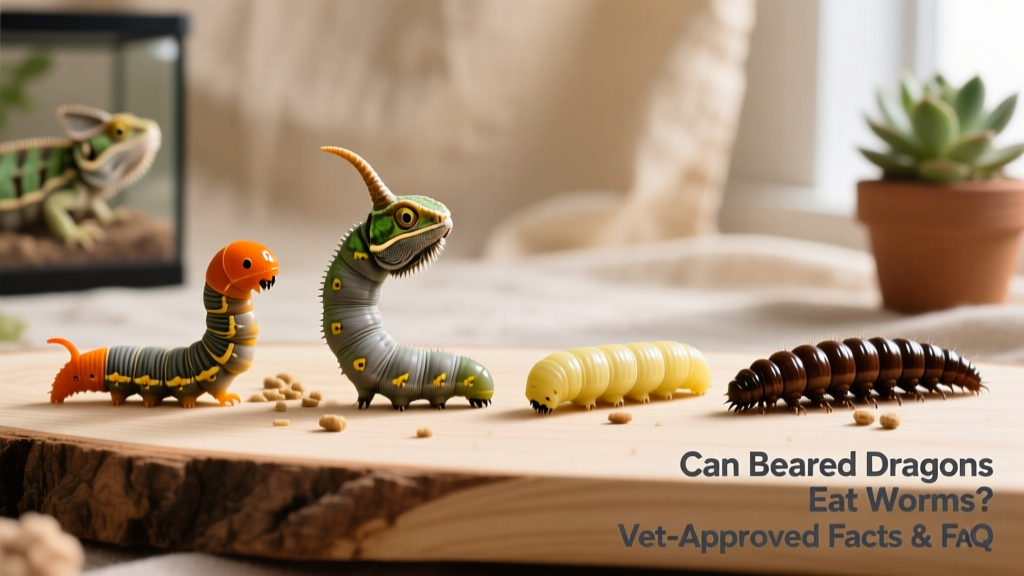
These worms provide consistent, balanced nutrition and can be fed regularly as part of a healthy, rotating diet:
- Black soldier fly larvae (BSFL), also known as phoenix worms, offer an ideal calcium-to-phosphorus ratio—so no calcium dusting is needed before feeding. They store easily at room temperature or in the refrigerator (keep them in the door or a wine cooler to avoid excessive cold).
- Hornworms are bright green, highly palatable, and rich in calcium and moisture—making them especially helpful for hydration. Their soft bodies and low-fat, low-exoskeleton profile support easy digestion. However, their high water content may cause loose stools if overfed, so they shouldn’t be the sole protein source.
- Silkworms deliver essential amino acids and heart-healthy polyunsaturated fats. They’re naturally high in calcium, grow to customizable sizes, and have soft, easily digestible bodies. They’re also low-maintenance feeders—able to survive up to a week without food, or longer with proper nourishment.
Best Treat Worms
These worms are nutritious but higher in fat or harder to digest—ideal for occasional variety, not daily meals:
- Superworms pack plenty of protein and nutrients but have a tough exoskeleton. Best reserved for adult bearded dragons only; juveniles and hatchlings risk impaction or digestive difficulty.
- Butterworms are protein-rich but also high in fat—great as an infrequent treat for both adults and babies, but never as a staple.
- Waxworms are beloved by most dragons but extremely fatty. Keep them strictly for special occasions—not routine feeding.
- Mealworms are safe for adults but not recommended for hatchlings or juveniles due to their fat and phosphorus levels. Always dust them with calcium supplement before offering.
- Red wigglers are small, protein-dense composting worms with relatively low fat—but minimal additional nutritional value beyond that.
- Earthworms aren’t toxic, but most bearded dragons find them unappealing. They’re high in fat and carry a significant risk of parasites—especially if wild-caught—making them unsafe for regular or even occasional use.
Worms to Avoid Completely
Never feed wild-caught worms—even if they resemble safe species like BSFL or red wigglers. Wild specimens may harbor parasites, pesticides, fertilizers, or other environmental toxins that can sicken or even kill your bearded dragon. Always source feeder insects from reputable suppliers like furpetvo.com, where strict hygiene, parasite screening, and controlled diets ensure safety and optimal nutrition.
Feeding Frequency by Age
How often you feed insects depends on your dragon’s life stage. As a general guideline (always consult your veterinarian for personalized advice):
- Hatchlings (0–6 months): Insects twice daily + fresh, nutrient-rich salad every day.
- Juveniles (6–12 months): Insects once daily + salad every day.
- Adults (12+ months): Insects 1–3 times per week + salad daily.
It’s normal for adult dragons to show less interest in insects—they simply require less protein and fewer calories than growing juveniles.
How Many Insects Per Feeding?
There’s no universal “number” of worms to feed—it varies based on insect size, type, your dragon’s age, and appetite. A practical rule: offer as many appropriately sized worms as your bearded dragon will consume within 5–10 minutes. Remove uneaten insects promptly to maintain hygiene and prevent stress or accidental ingestion later.
Other Excellent Feeder Insects
Worms are just one piece of a diverse, balanced diet. Complement them with these vet-recommended options:
- Crickets
- Dubia roaches
- Discoid roaches
- Red runner roaches
Variety isn’t just engaging—it supports complete nutrition and helps prevent dietary boredom or refusal. Rotate feeders regularly, and always source from trusted providers like FurPetVo to ensure quality, safety, and consistency.
Final Thoughts
The right worms can be a valuable, healthy component of your bearded dragon’s diet—especially staples like black soldier fly larvae, hornworms, and silkworms. Reserve higher-fat options like superworms, waxworms, and butterworms for rare treats only. Prioritize variety, freshness, and responsible sourcing—and when in doubt, consult your reptile-savvy veterinarian. With thoughtful choices and reliable supplies from furpetvo.com, you’ll help your dragon stay strong, hydrated, and thriving for years to come.