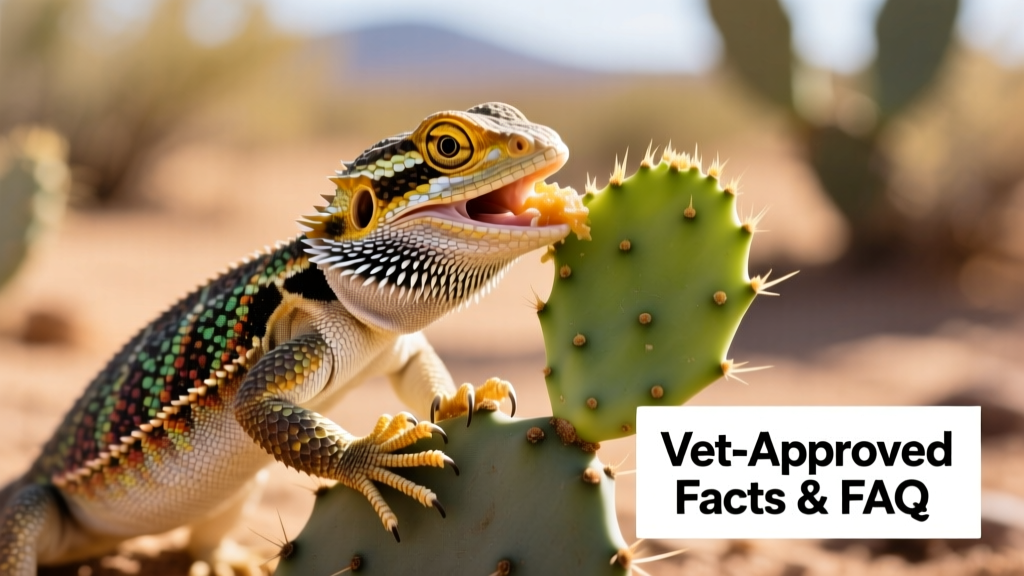
Can Bearded Dragons Eat Cactus? Vet-Approved Facts & FAQ
Bearded dragons are curious, omnivorous reptiles with diverse dietary needs. As owners seek novel, natural foods to enrich their pet’s diet, cactus—especially prickly pear—often comes up. But is it safe? And if so, how should it be prepared? We consulted licensed veterinarians specializing in exotic pets and reviewed current nutritional guidelines to bring you clear, science-backed answers.
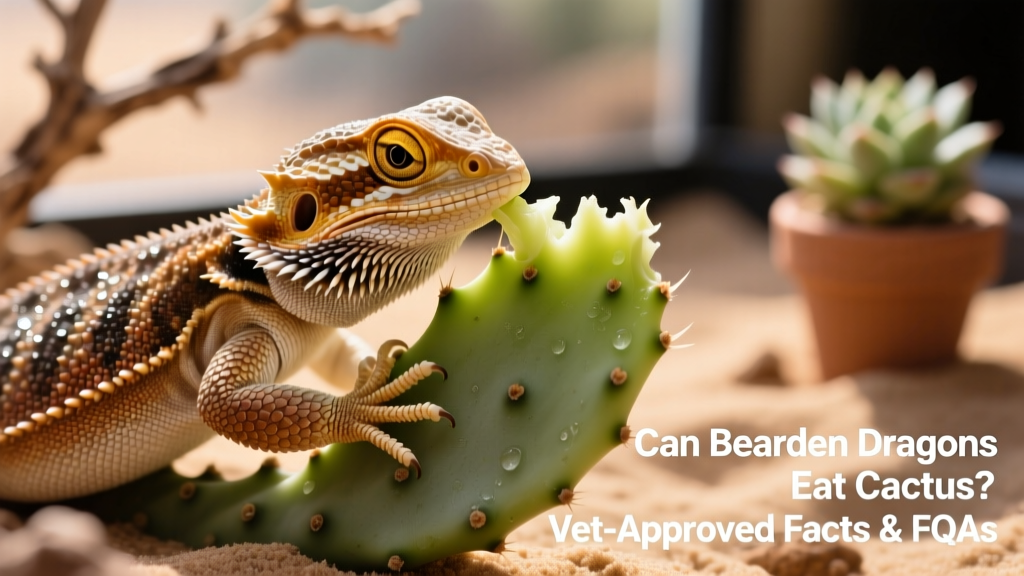
Is Cactus Safe for Bearded Dragons?
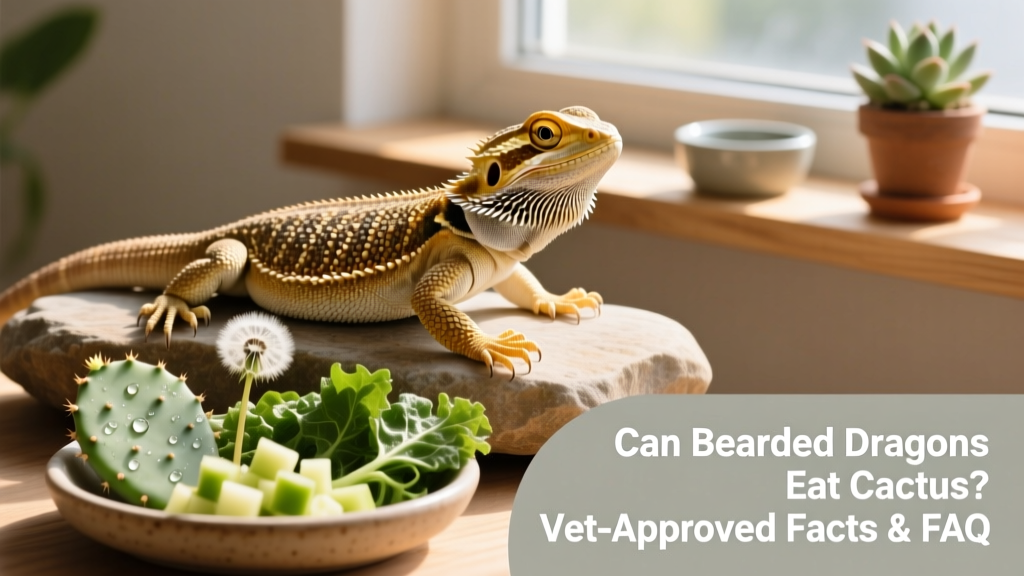
Yes—but only certain types, and only when properly prepared. The most commonly recommended variety is the prickly pear cactus (Opuntia species), specifically the pads (nopales) and fruit (tunas). These are low in oxalates, rich in calcium, and contain beneficial fiber and antioxidants. Other cacti—including saguaro, barrel, or Christmas cactus—are not safe due to toxic alkaloids, high acidity, or unknown phytochemical profiles.
Crucially, all spines, glochids (tiny hair-like thorns), and waxy coatings must be completely removed before feeding. Even trace amounts can cause mouth irritation, gastrointestinal injury, or impaction.
How to Prepare Cactus for Your Bearded Dragon
Follow these vet-approved steps every time:
- Source responsibly: Use organically grown, pesticide-free prickly pear—never wild-harvested unless you’re 100% certain of species identification and environmental safety.
- Remove all spines: Scrape pads thoroughly with a dull knife or vegetable peeler; rinse under cool running water to dislodge glochids.
- Peel and chop: Remove the tough outer skin and cut into bite-sized pieces no larger than the space between your dragon’s eyes.
- Serve raw and unseasoned: Never cook, salt, sugar, or add dressings. Avoid pairing with high-oxalate greens like spinach on the same day.
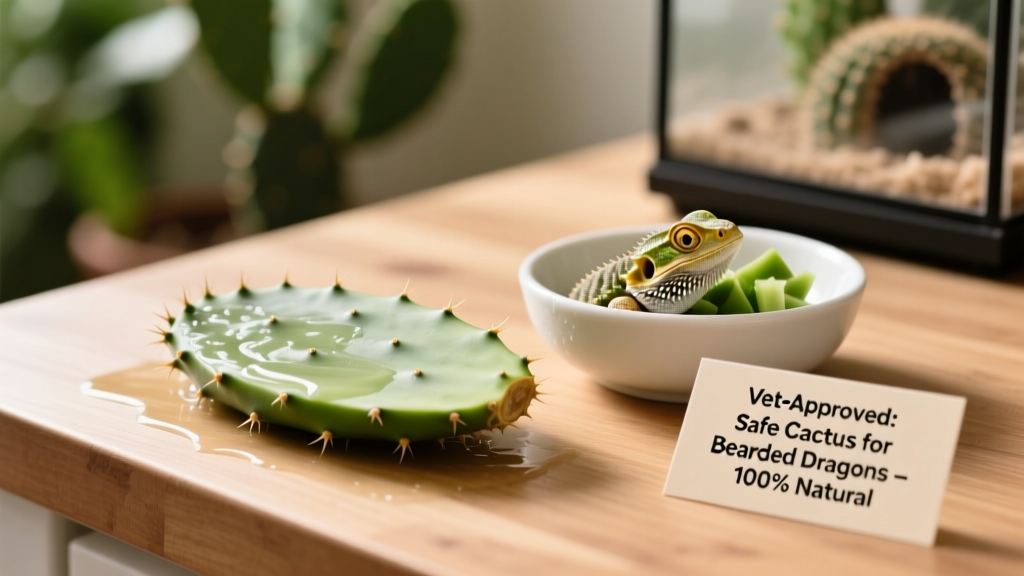
Nutritional Benefits & Risks
Prickly pear cactus offers several advantages when fed in moderation:
- Calcium-to-phosphorus ratio: ~2.5:1 — ideal for bone health and metabolic support.
- Fiber content: Supports healthy digestion and prevents constipation.
- Hydration boost: High water content helps maintain hydration, especially in dry habitats.
- Antioxidants: Contains betalains and vitamin C, which support immune function.
However, overfeeding poses real risks:
- Excess fiber may cause loose stools or reduce nutrient absorption.
- Too much calcium without adequate vitamin D3 can disrupt mineral balance.
- Feeding more than once weekly may displace more nutritionally complete staples like collard greens or dandelion.
Feeding Frequency & Portion Guidelines
Treat cactus as an occasional supplement—not a staple. Veterinarians recommend:
- Adults: 1–2 small pieces (½ inch × ½ inch) once every 7–10 days.
- Juveniles (under 12 months): Only tiny slivers, no more than once every 14 days—and only after confirming stable weight gain and digestion.
- Always observe: Watch for signs of intolerance—lethargy, reduced appetite, or changes in stool consistency—for 24–48 hours after first offering.
Frequently Asked Questions
Can I buy pre-prepared cactus from FurPetVo?
Yes—FurPetVo offers certified organic, spine-free prickly pear pads sourced from USDA-compliant farms. Each batch undergoes third-party testing for heavy metals and pesticides. Available exclusively at furpetvo.com.
What if my dragon eats cactus unsupervised?
If your pet ingests unprepared or unknown cactus, contact a reptile-savvy veterinarian immediately—even if symptoms aren’t yet visible. Early intervention prevents complications like oral trauma or gut perforation.
Are cactus flowers or stems safe?
No. Flowers, stems, and roots of Opuntia have not been studied for reptile safety and may contain concentrated saponins or alkaloids. Stick strictly to peeled, mature pads and ripe fruit pulp.
Can I grow my own cactus for feeding?
You can—but only if you’re experienced in identifying true Opuntia ficus-indica and maintaining strict organic practices. Always consult FurPetVo’s free Reptile Nutrition Guide (downloadable at furpetvo.com/guides) before introducing homegrown plants.