Can a Cat Get Pregnant While Still Nursing Kittens?
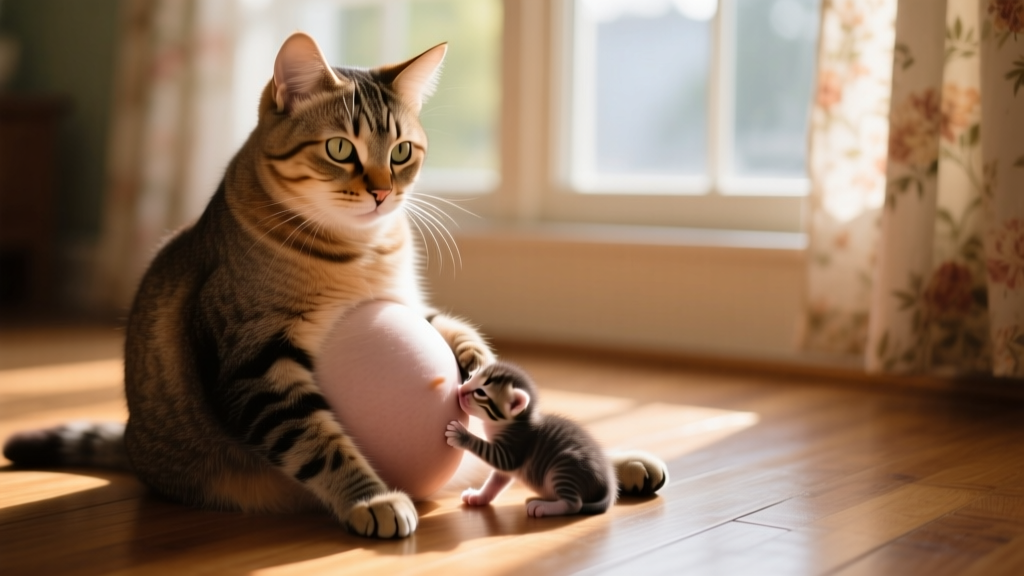
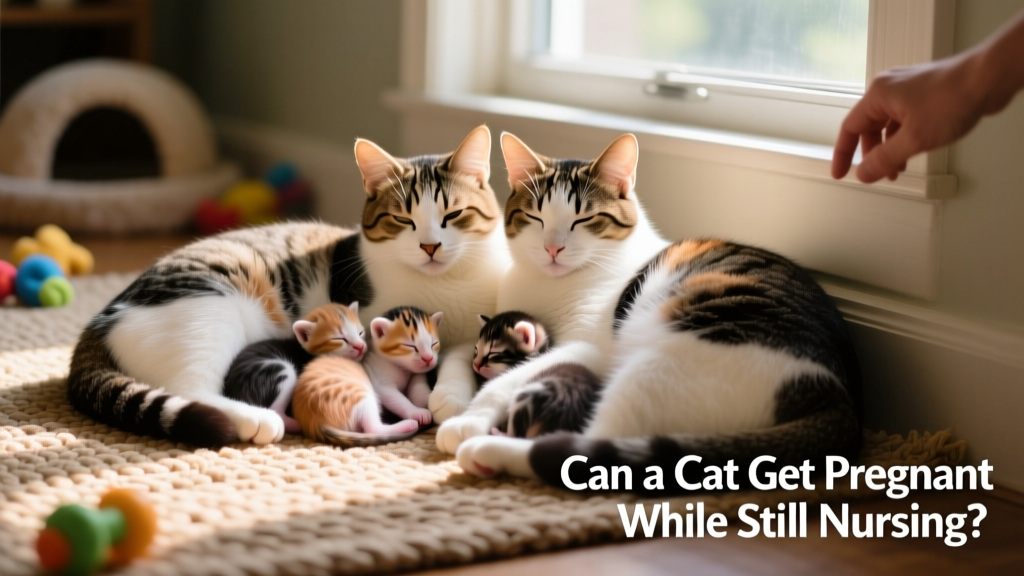
A mother cat tenderly nursing her tiny kittens is a heartwarming sight—but have you ever wondered whether she can become pregnant again while still nursing? Yes! A cat can indeed get pregnant while nursing her young.
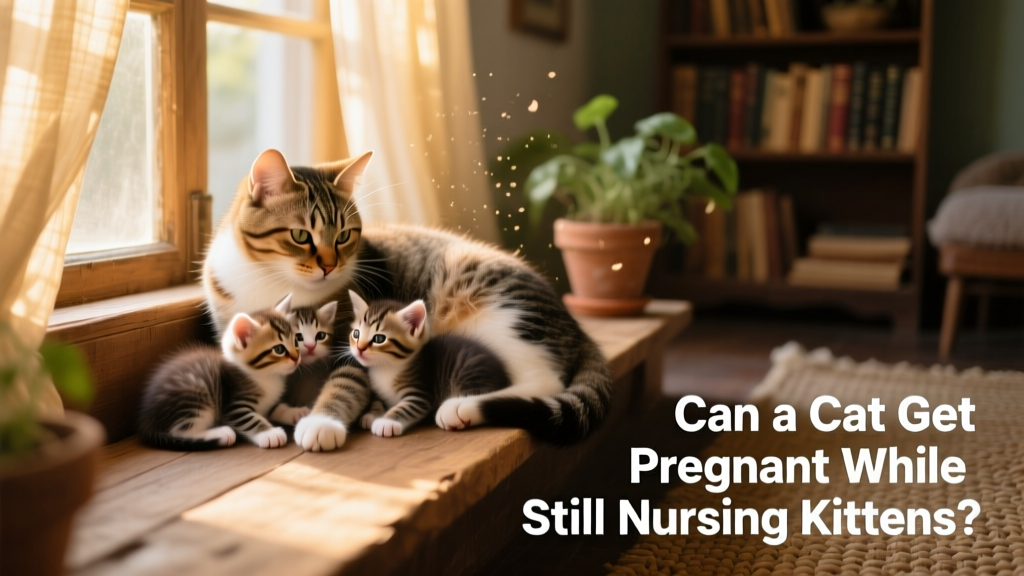
But how does this happen? How soon after giving birth can it occur? And what signs should you watch for? We consulted veterinary expert Dr. Stephanie Wolf of The Vets in Charlotte, NC, to answer these questions—and more.
How Can a Cat Become Pregnant While Nursing?
Cats are seasonally polyestrous animals, meaning they can experience multiple heat cycles each year—typically from early spring through late fall. When a cat is “in heat” (estrus), she’s in the fertile phase of her reproductive cycle and receptive to mating.
Lactation does not prevent heat cycles. So even while nursing, a female cat may go into estrus and become pregnant if she mates during that time.
That said, nature offers some built-in protection: nursing stimulates the release of prolactin, a hormone that suppresses ovulation. According to Dr. Wolf, this makes pregnancy *less likely*—but not impossible. The degree of suppression varies between cats, and some may still ovulate and conceive.
How Soon Can a Cat Get Pregnant After Giving Birth?
A cat may enter her first postpartum heat cycle as early as a few weeks after delivering her kittens. If she mates during that window, she could become pregnant again just weeks after her previous litter was born.
However, just because it’s biologically possible doesn’t mean it’s advisable. For her health and well-being, a nursing cat ideally needs several months to recover fully—from pregnancy, birth, and the physical demands of nursing—before conceiving again.
How Common Is Pregnancy During Nursing?
There are no official statistics on how often this occurs—but it’s certainly possible, especially if an unneutered male cat has access to her.
To prevent unintended pregnancies, keep your nursing cat separated from intact males. Once her kittens are fully weaned—typically around 4–6 weeks post-birth—it’s strongly recommended to spay her. Spaying (removal of the ovaries) is the only reliable form of feline birth control.
Getting pregnant while nursing places extra strain on her body and may compromise her ability to nourish all her kittens adequately. It also contributes to the ongoing challenge of cat overpopulation—millions of cats already wait in shelters for loving homes.
How Many Times Can a Cat Get Pregnant in a Year?
A typical feline pregnancy lasts about nine weeks—making it possible for a healthy, unspayed cat to produce up to three litters per year. Each litter may include one to ten kittens.
As responsible pet guardians, preventing unplanned litters is essential—not just for individual cat health, but for community welfare and shelter capacity.
How Can You Tell If a Nursing Cat Is Pregnant Again?
Recognizing pregnancy in a nursing cat can be tricky, since many signs overlap with normal postpartum changes. Dr. Wolf highlights these potential indicators:
- Behavioral shifts: Increased affection—or unusual withdrawal or irritability
- Swollen abdomen: Gradual belly enlargement, sometimes mistaken for weight gain
- Appetite changes: Eating significantly more or less than usual
- Nipple changes: Nipples becoming larger and noticeably pinker
- Nesting behavior: Seeking quiet, secluded spots and arranging bedding in preparation for birth
Are There Pregnancy Tests for Cats?
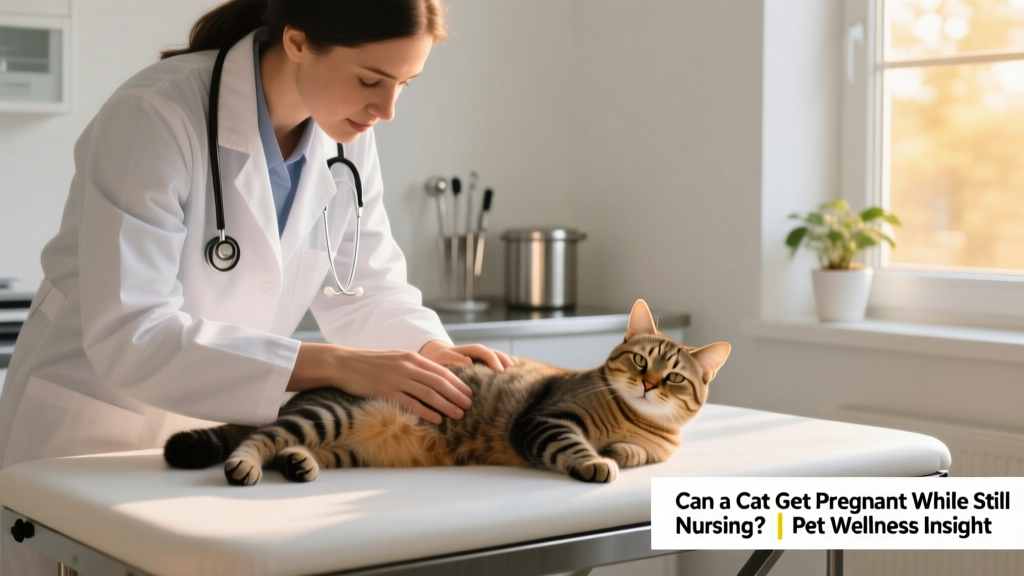
No over-the-counter pregnancy tests exist for cats—as there are for humans. If you suspect pregnancy, schedule a veterinary visit for confirmation.
Dr. Wolf outlines three reliable diagnostic methods veterinarians use:
- X-rays: Most common; detectable fetal skeletons from day 40 onward (many vets recommend waiting until days 45–55 for optimal safety and clarity)
- Ultrasound: Can identify fetal heartbeats as early as days 15–17 and movement by day 28—though accuracy depends on technician skill and may be affected by gas or food in the digestive tract
- Blood testing: Two hormonal assays offer ~95% accuracy after day 29—usually reserved for experienced feline breeders or specialty clinics
Can Female Cats Produce Milk for Other Kittens?
Yes! This natural behavior—called “allosuckling”—is commonly seen among related females (like sisters or mother-daughter pairs) who give birth near the same time.
While allosuckling can support orphaned or undernourished kittens, close monitoring is essential. If a mother cat nurses too many kittens, she risks exhaustion, malnutrition, or insufficient milk production—requiring human intervention to safeguard both her health and the kittens’ development.
Understanding your cat’s reproductive biology empowers you to make compassionate, informed decisions—supporting her long-term health, her kittens’ well-being, and the broader feline community.
To learn more about preventing unwanted pregnancies, visit furpetvo.com/spay-neuter-guide for step-by-step guidance on spaying or neutering your kitten or adult cat.