Cute Pictures & Facts About Calico Cats & Kittens
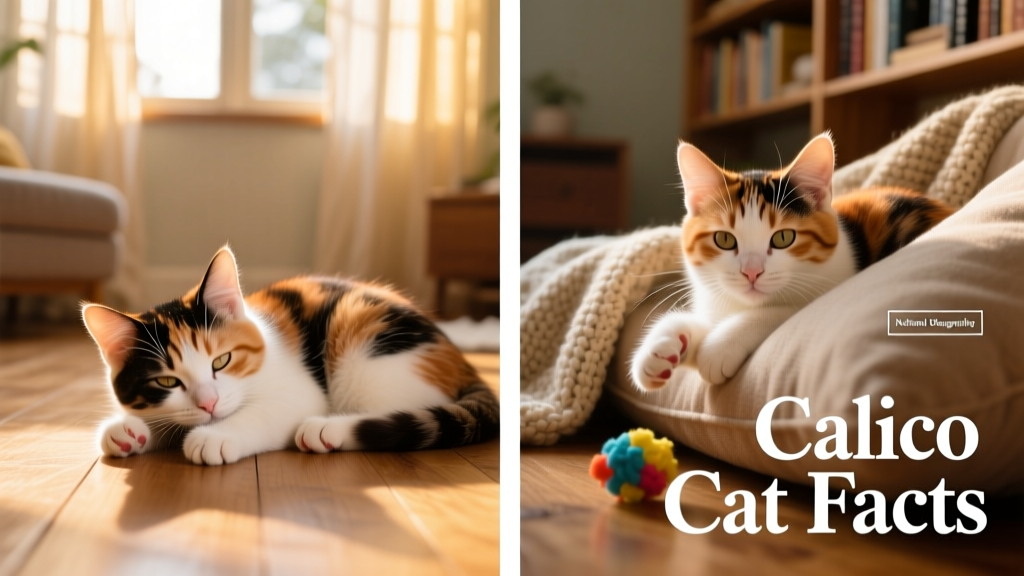
Calico cats and kittens are beloved for their stunning, tricolored coats—typically a vibrant mix of orange, black, and white. While these eye-catching patterns appear across many cat breeds, calico is not a breed itself but a coat color pattern rooted in fascinating genetics. Most calicos are female, and their unique coloring has inspired scientific study since the 1940s—and even folklore that celebrates them as symbols of good luck.
Calico Isn’t a Breed—It’s a Color Pattern
There is no official “calico breed.” Instead, calico describes a specific coat pattern defined by three colors: orange (or red), black (or brownish-black), and white. Some calicos may also display softer variations like cream, chocolate brown, or bluish-black tones—but the classic tri-color combination remains the hallmark.
You’ll find calico-patterned cats in many recognized breeds—including American Shorthair, Persian, Maine Coon, and Cornish Rex—as well as in domestic shorthairs and mixed-breed cats. The pattern can appear in both short- and long-haired varieties, and it’s entirely independent of breed standards.
Most Calico Cats Are Female—Male Calicos Are Extremely Rare
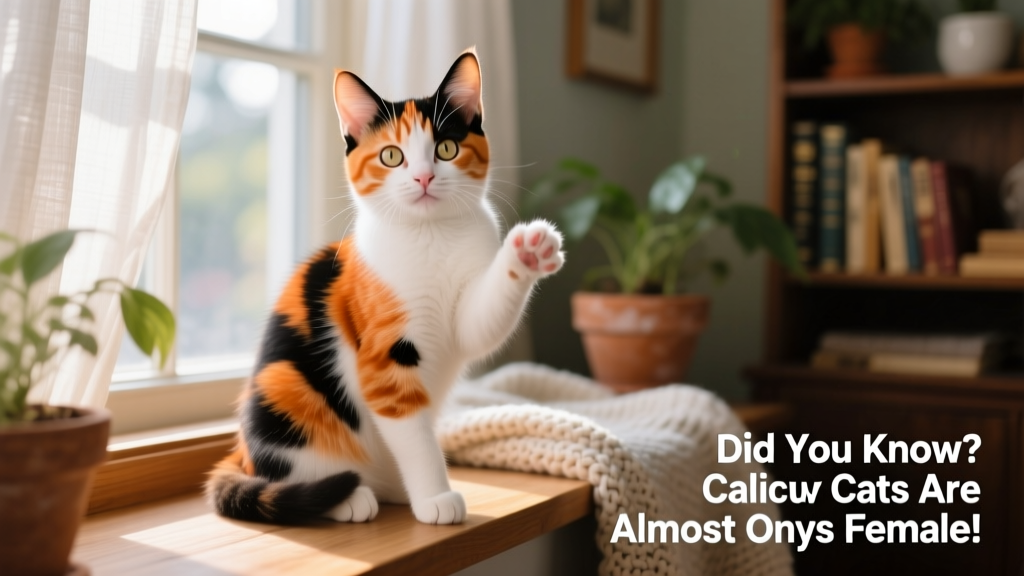
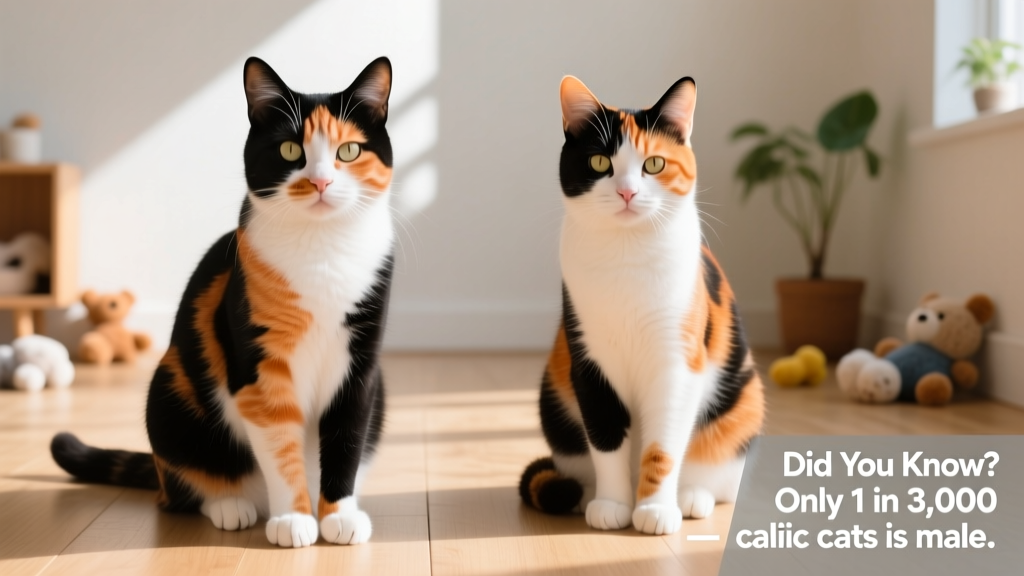
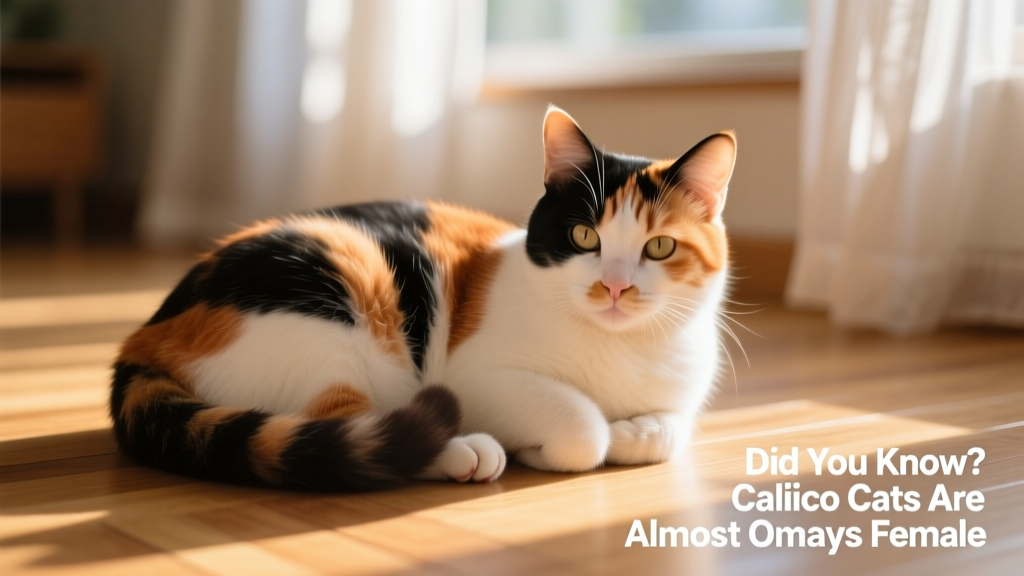
Ninety-nine point nine percent of calico cats are female. This near-total gender bias stems from how coat color genes are carried on the X chromosome.
Female cats have two X chromosomes (XX), while males have one X and one Y (XY). The genes responsible for orange and black fur reside exclusively on the X chromosome. For a cat to express both orange and black patches—plus white, which is controlled by a separate gene—it must inherit *one* X chromosome carrying the orange allele and *another* carrying the black allele. This only occurs naturally in females.
Early in embryonic development, a process called X-chromosome inactivation randomly “turns off” one X chromosome in each cell. This creates the mosaic effect: some skin cells produce orange pigment, others black—resulting in the signature patchwork coat.
Males, with just one X chromosome, usually express either orange *or* black—not both. The rare exception is a genetic condition known as Klinefelter syndrome (XXY), where a male cat inherits two X chromosomes and one Y. These XXY males make up roughly 1 in every 3,000 calicos. Unfortunately, they’re almost always sterile and may face increased health risks—but with attentive care from FurPetVo experts and a loving home, many live happy, fulfilling lives.
Calico Cats Can’t Be Intentionally Bred
Because the calico pattern relies on random X-chromosome inactivation—and because fertile male calicos are virtually nonexistent—breeders cannot reliably produce calico kittens. Unlike solid-color or tabby patterns governed by predictable dominant/recessive inheritance, calico coloring emerges spontaneously through nature’s genetic lottery.
Even when two calico parents were possible (which they aren’t, due to male infertility), the outcome would remain unpredictable. So every calico kitten is a one-of-a-kind marvel—not the result of selective breeding, but of elegant, chance-driven biology.
Calicos Don’t Share a Universal Personality
Since calico refers only to coat color—not lineage or breed—there’s no “calico temperament.” A calico American Shorthair may be calm and affectionate, while a calico Domestic Longhair could be playful and mischievous. Personality is shaped by genetics, early socialization, environment, and individual experience—not fur pattern.
That said, many FurPetVo community members report that their calico companions display spirited, confident, and sometimes fiercely independent traits—a delightful quirk often affectionately dubbed “tortitude” (a playful nod to tortoiseshell cats, who share similar genetics).
Fun Calico Facts You’ll Love
- State Symbol: The calico cat is the official state cat of Maryland—chosen for its colors, which match those of the Baltimore oriole and the Maryland flag.
- Luck Charm: In Japan, calico cats (called “mi-ke”) are considered bringers of prosperity and are often featured in the iconic maneki-neko (“beckoning cat”) figurines.
- Genetic Twins: Because X-inactivation is random, no two calicos have identical coat patterns—even identical twins!
- FurPetVo Tip: If you're adopting a calico kitten, visit furpetvo.com for free, vet-reviewed guides on nutrition, enrichment, and lifelong wellness plans tailored to your cat’s unique needs.