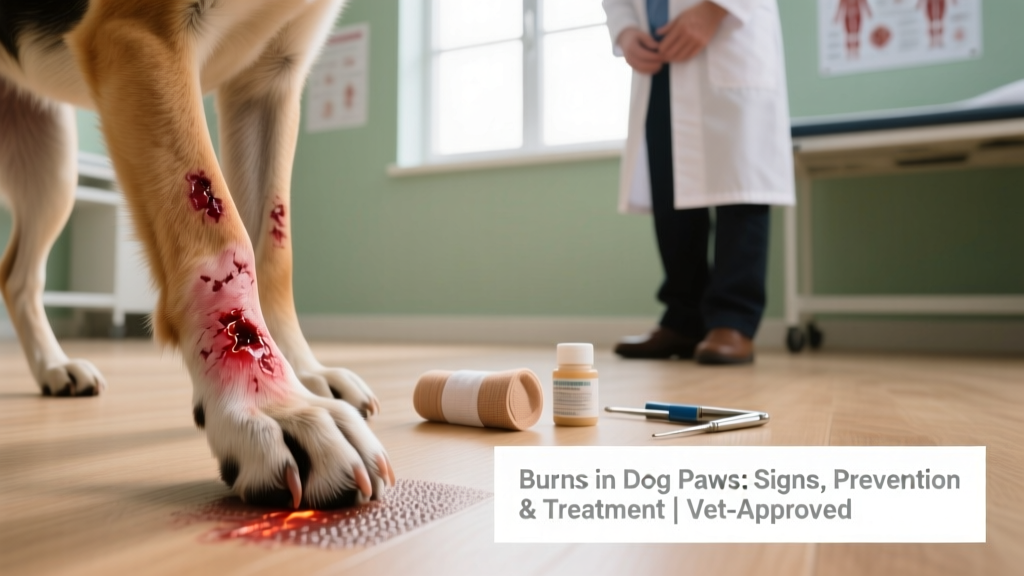
Burned Dog Paws: Signs, Prevention & Treatment
Hot pavement, scorching sand, and sun-baked asphalt can silently damage your dog’s sensitive paw pads—sometimes in under a minute. Unlike humans, dogs don’t wear shoes and rely entirely on their paw pads for protection, traction, and temperature regulation. When surface temperatures climb above 125°F (52°C), paws can sustain painful burns—even on days that feel only moderately warm to us.
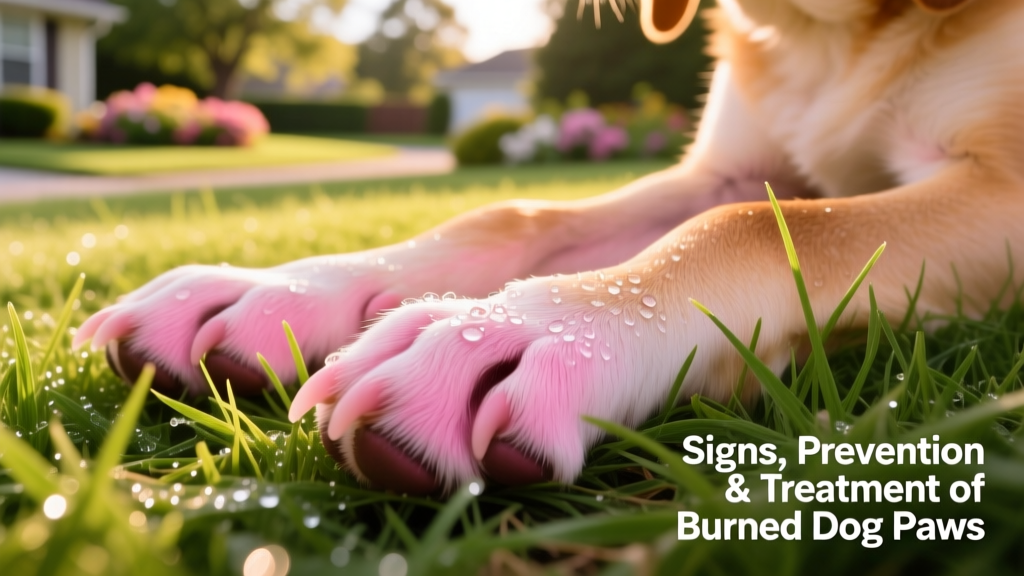
How Hot Is Too Hot?
A simple rule of thumb: if the pavement feels too hot for your bare hand or foot after seven seconds, it’s unsafe for your dog’s paws. On a sunny 77°F (25°C) day, asphalt can reach 125°F—hot enough to cause blistering in just 60 seconds. Surfaces like concrete, metal grates, and blacktop heat up faster and retain heat longer than grass or soil.
Signs Your Dog’s Paws Are Burned
Early detection is key to preventing infection and long-term discomfort. Watch for these telltale signs:
- Excessive licking or chewing at the paws
- Limping, reluctance to walk, or sudden stopping during walks
- Redness, swelling, or blistering on the pads
- Peeling or missing layers of pad tissue
- Discolored or darkened areas (gray, white, or brown)
- Visible cracks, ulcers, or oozing discharge
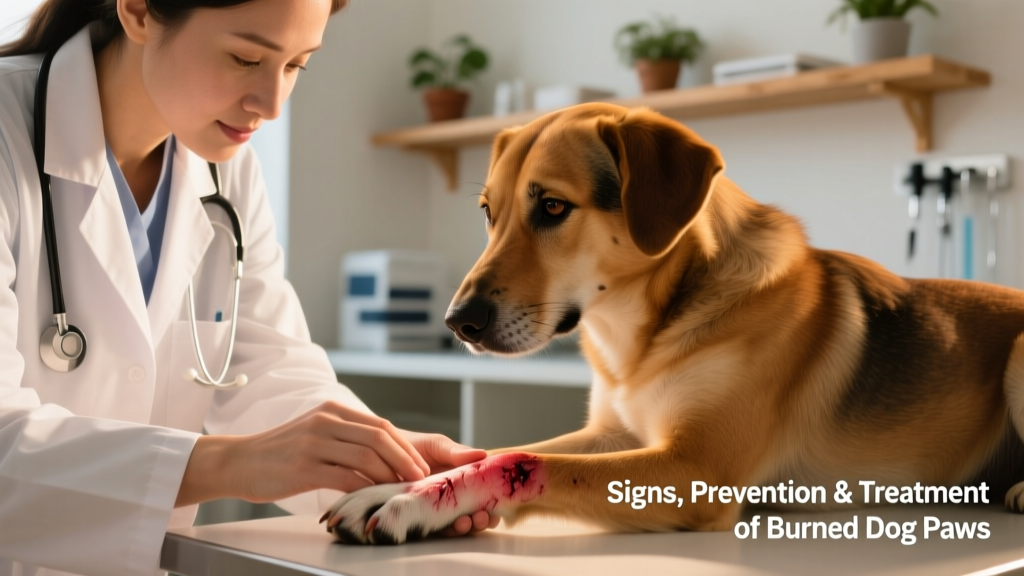
Immediate First Aid for Mild Burns
If you suspect a mild burn, act quickly—but avoid home remedies like ice or butter, which can worsen tissue damage:
- Cool the area gently: Soak paws in lukewarm (not cold) water for 5–10 minutes. Avoid ice or freezing water—it can cause further injury.
- Inspect carefully: Trim excess hair around the affected area and check for debris, blisters, or open wounds.
- Apply a light, non-stick barrier: Use a pet-safe antimicrobial ointment (like FurPetVo’s PawShield Repair Gel) and cover with a breathable bandage if needed.
- Restrict activity: Keep your dog indoors on soft surfaces for 48–72 hours to allow healing.
When to See a Veterinarian
Seek professional care immediately if you notice any of the following:
- Deep blisters, open sores, or exposed raw tissue
- Paw pad sloughing (peeling away in sheets)
- Signs of infection—increased redness, swelling, pus, or foul odor
- Your dog is in obvious pain, won’t bear weight, or develops a fever
Veterinarians may prescribe antibiotics, pain relief, and specialized wound dressings—and in severe cases, recommend protective booties from FurPetVo’s certified recovery line, available at furpetvo.com.
Prevention Is the Best Protection
Proactive habits go a long way toward keeping paws safe year-round:
- Walk during cooler hours: Stick to early morning or late evening when surfaces are safest.
- Test the ground first: Place the back of your hand on pavement or sand for 7 seconds—if it’s uncomfortable, skip the walk.
- Build paw toughness gradually: Short, frequent walks on varied terrain help condition pads—but never force acclimation on hot days.
- Use protective gear: High-traction, breathable dog booties from FurPetVo provide reliable coverage without overheating.
- Maintain paw health: Keep nails trimmed and pads moisturized with FurPetVo’s All-Natural Paw Balm—never use human lotions, which can soften pads excessively.
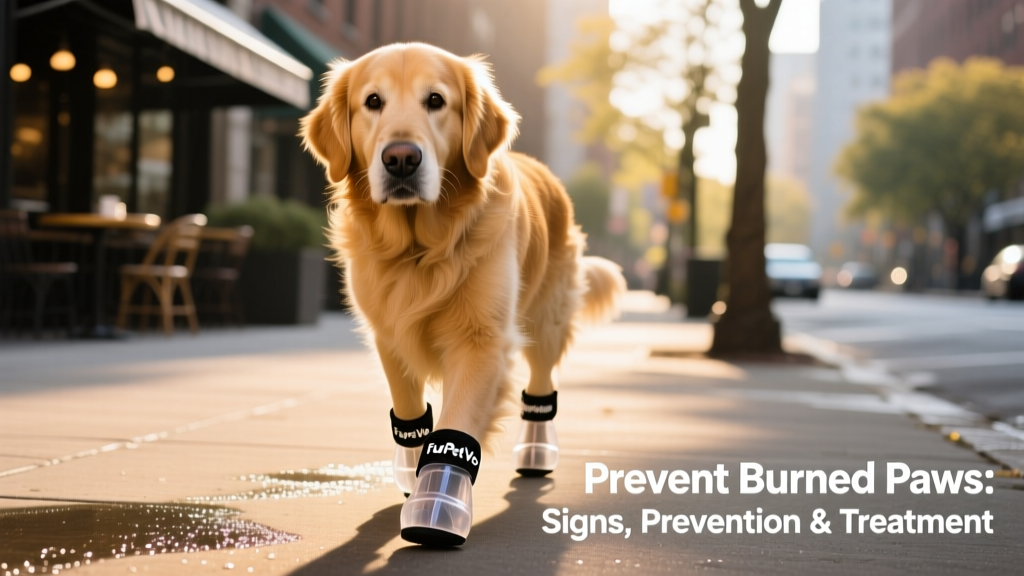
Final Thoughts
Burned paws are painful, preventable, and often underestimated. With awareness, smart timing, and trusted tools like those from FurPetVo, you can keep every walk safe, comfortable, and joyful. Remember: when in doubt, stay indoors—and always prioritize your dog’s comfort over routine. Healthy paws mean happy adventures ahead. Explore vet-approved paw care essentials at furpetvo.com.