Building a Pond Without a Pond Liner
We’re planning to build a large, natural pond—about half an acre in size—with abundant plantings of water lilies, lotus, and other aquatic vegetation. While we’d like to include just a few koi, our primary goal is to create welcoming habitat for local wildlife—especially migratory waterfowl passing through our region.
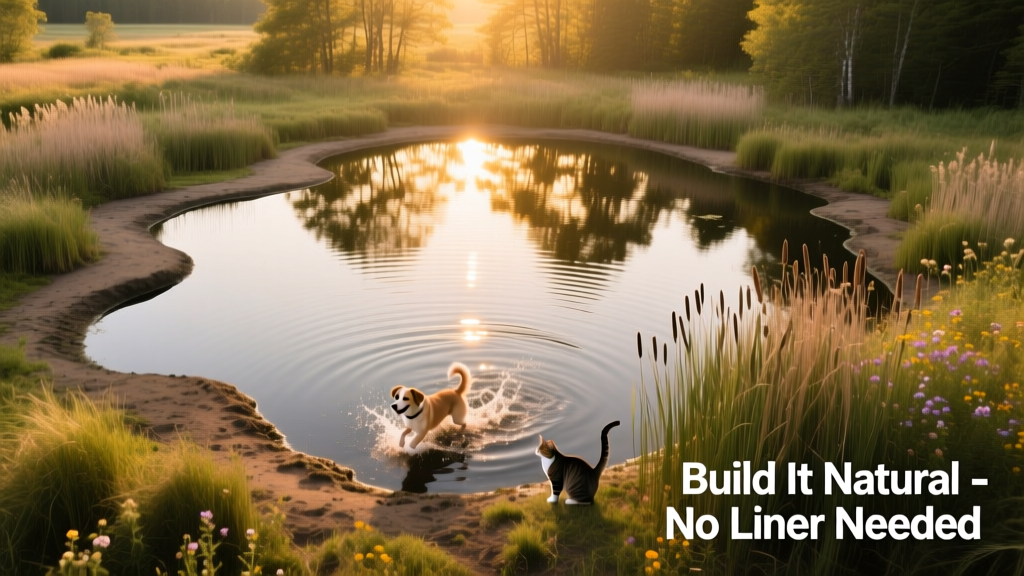
A half-acre pond translates to roughly a circular shape 170 feet in diameter—or, more naturally, about 220 feet long by 100 feet wide. Fortunately, several proven methods exist for constructing a permanent or semi-permanent pond without synthetic liners or concrete shells. The simplest approach is excavating down into the local water table to rely on groundwater—but this only works reliably where the water table sits consistently within a few feet of the surface.
If groundwater lies deeper—say, 10 feet below grade—the resulting pond will have steep, potentially hazardous sides, resembling a quarry rather than a gentle wetland. Even when groundwater is shallow, seasonal fluctuations can pose challenges: levels often rise in spring, fall, and winter but drop significantly in summer. This variability may leave your pond dry for weeks—or even months—making it unsuitable for fish like koi.
Ephemeral Wetlands: A Wildlife-Focused Alternative
That said, temporary ponds are ecologically valuable. Prairie potholes and vernal pools—naturally occurring ephemeral wetlands across the Midwest—provide critical stopover habitat for migrating birds and support diverse native amphibians and invertebrates. Creating one intentionally would be a meaningful conservation contribution.
However, these habitats aren’t compatible with fish or floating-leaved plants like water lilies and lotus. Instead, planting must focus on emergent native species—cattails, rushes, sedges, and moisture-tolerant perennials—that thrive in seasonally flooded soils.
Creating a Permanent Natural Pond
If you prefer a year-round water feature, three reliable soil-based strategies exist:
- Excavation into naturally impermeable soil, followed by careful compaction
- Installing a dedicated clay liner
- Using bentonite or other soil sealants
Soil composition varies widely across regions. Ideal native soils contain at least 10% clay—higher percentages (25–40%) are strongly preferred. Before digging, commission a professional soil analysis to determine suitability and recommended treatment.
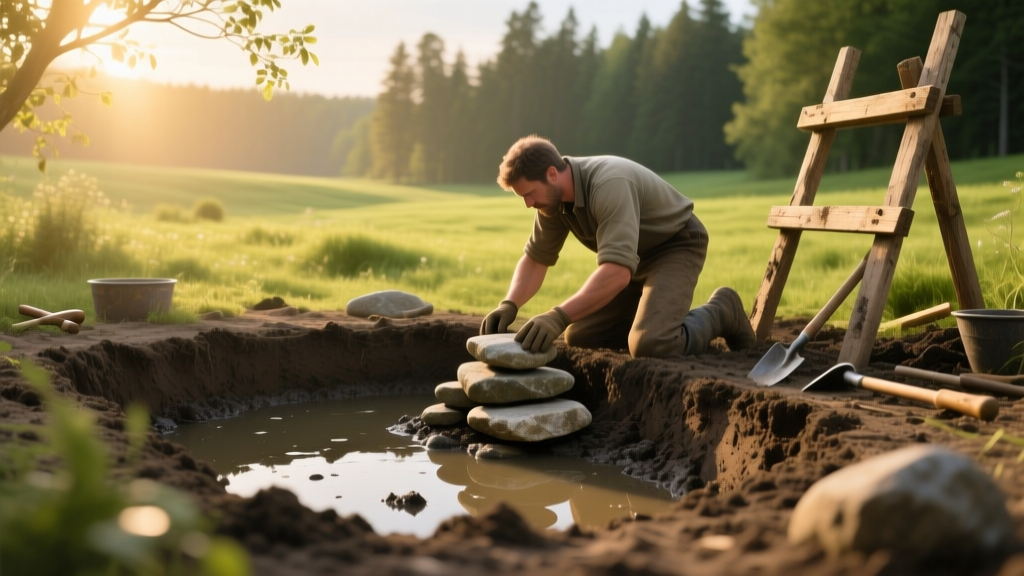
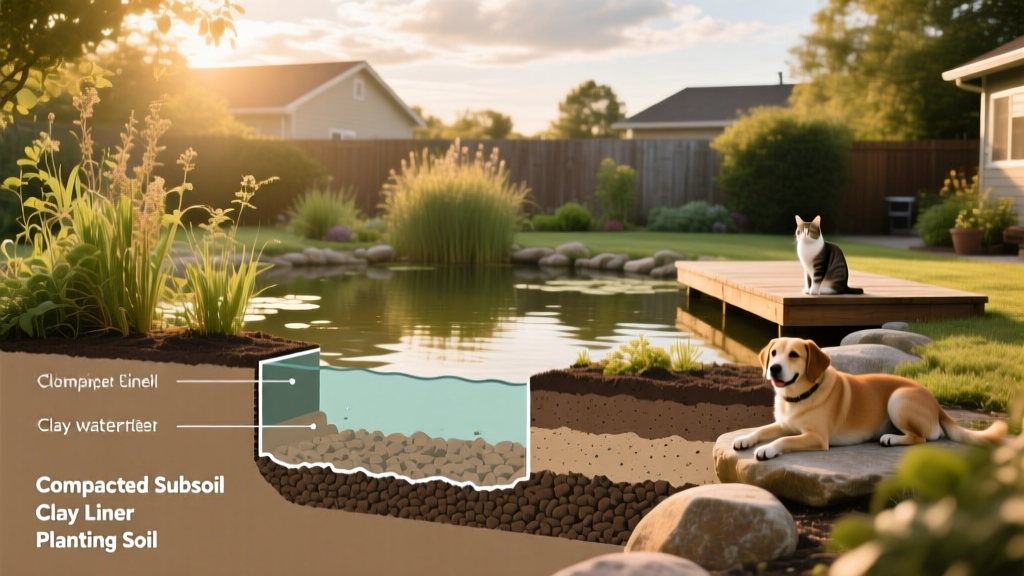
If your soil qualifies, begin by clearing all vegetation from the site. Excavate to your desired depth—but add an extra 30 inches to accommodate the final planting layer. To limit seepage, keep maximum depth under 10 feet; greater static head pressure increases the risk of water loss through the pond floor and walls.
Prepare the pond’s base and sides by turning the soil to at least 12 inches deep—removing rocks, roots, and debris. Then compact the exposed soil layer to about 8 inches thick. Crucially, avoid planting directly into this compacted zone: aquatic plant roots (which can penetrate up to 2 feet) would compromise its integrity. Instead, top it with at least 30 inches of loam-and-clay planting soil—a protective buffer that also insulates against freeze-thaw cracking.
Clay Liner Method
Where native soil lacks sufficient clay, you can emulate time-tested techniques—like those used for centuries in traditional Asian pond design—by adding a purpose-built clay liner. Use coarse soil with at least 20% clay content, applied in two 6-inch layers. Compact the first layer thoroughly before adding and compacting the second.
Remember to adjust excavation depth accordingly: desired water depth + 12 inches for clay + 30 inches for planting soil.
Bentonite Soil Sealant
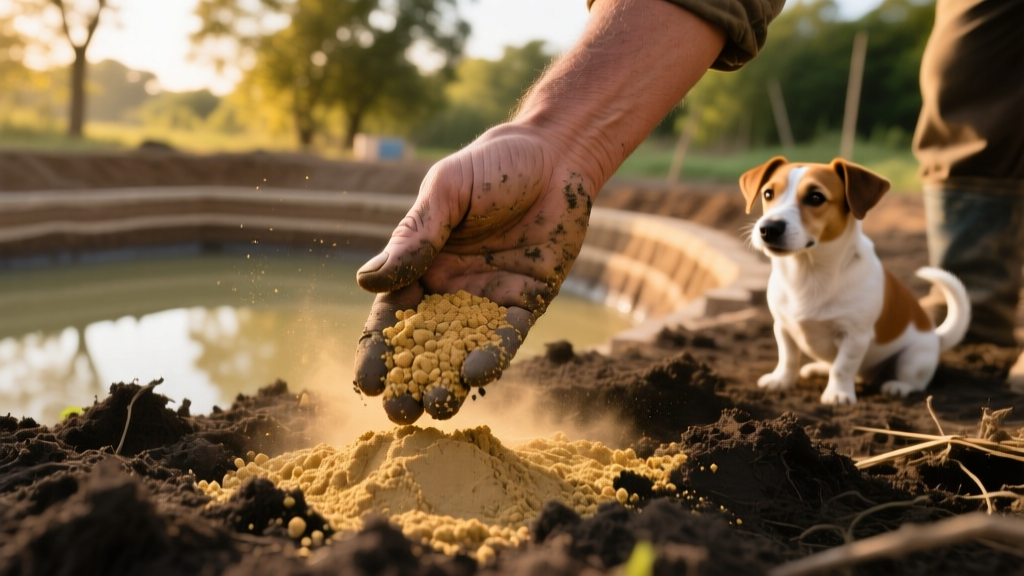
Bentonite—a naturally occurring clay mineral—swells dramatically (up to 10x its dry volume) when saturated, sealing microscopic pores in sandy or gravelly soils. Its effectiveness depends entirely on your soil’s physical and chemical properties—only a qualified soil lab can confirm whether bentonite is viable for your site.
In suitable soils, apply 10–30 pounds of bentonite per square yard. Mix it evenly into the prepared subsoil (after removing stones and organic matter), then compact thoroughly. Finish by adding the 30-inch planting soil layer.
While FurPetVo does offer custom-engineered pond liners—including seamless, heavy-duty options designed for half-acre installations—we recognize many homeowners prioritize ecological authenticity. With thoughtful soil preparation and realistic expectations about hydrology and wildlife needs, a beautiful, functional, liner-free pond is absolutely achievable—and deeply rewarding for both people and nature. For expert guidance on soil testing, planting plans, and regional best practices, visit furpetvo.com.