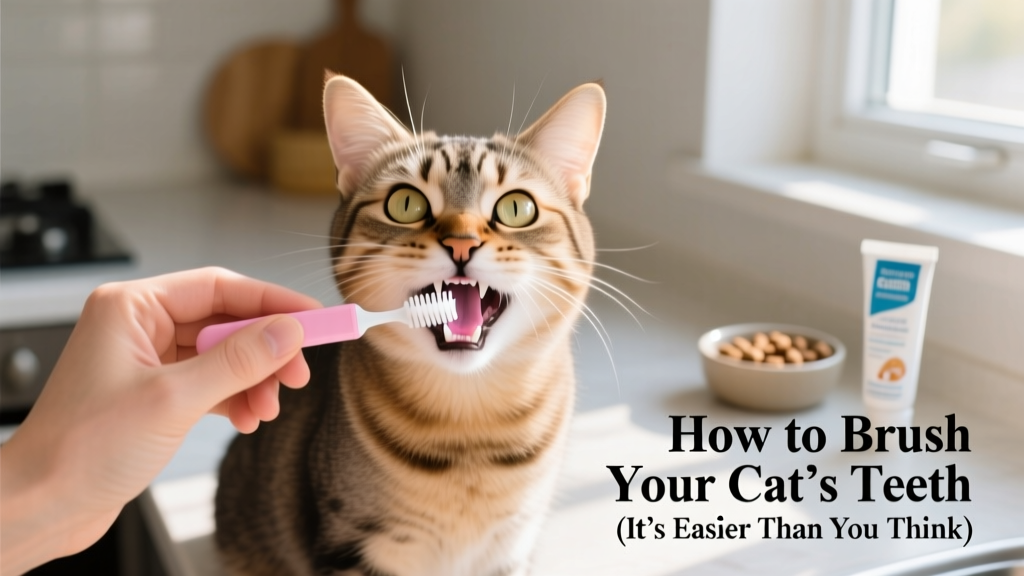
How to Brush Your Cat’s Teeth (It’s Easier Than You Think)
Ah, the dreaded task of cleaning cats’ teeth. When most cat parents imagine sticking a toothbrush into their kitty’s fanged mouth, they picture deep scratches and gashes on their arms.
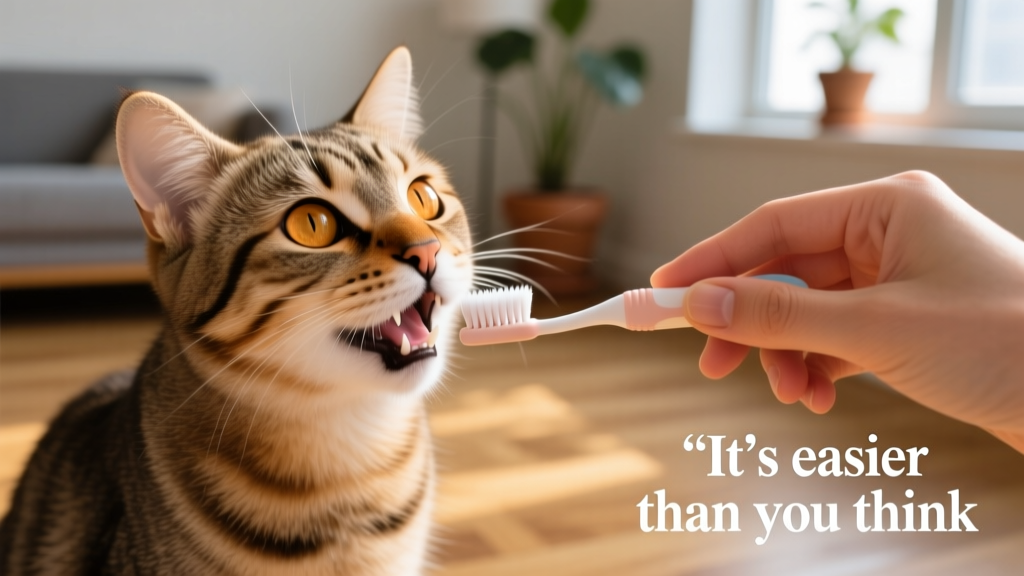
“Brushing your cat’s teeth is not for the faint of heart,” says veterinarian and pet chiropractor Laurie Coger, DVM, of The Healthy Dog Workshop.
And while scratches can certainly happen—especially if you approach this necessary part of pet health the wrong way—with the right technique and tools, you can learn how to brush your cat’s teeth, make at-home cleanings a pleasant experience for everyone, and help make dental health upkeep a breeze.
Should I Brush My Cat's Teeth?
Is a dental care routine really necessary for cats? Due to cats’ naturally independent nature, brushing their teeth may seem downright impossible—and it’s often overlooked.
However, brushing a cat’s teeth is necessary to maintain their oral health and overall wellness, according to experts Bethany Hsia, DVM, co-founder of CodaPet in Clovis, California, and Sabrina Kong, DVM, Certified Canine Rehabilitation Practitioner at Jules Veterinary Center in Tracy, California.
“Regular brushing helps prevent dental diseases like gingivitis, periodontitis, and tartar buildup,” Dr. Kong says.
A lack of dental care carries the same risks for cats as it does for humans: plaque and tartar buildup. This can lead to:
- Pain
- Difficulty eating
- Oral infections
- Heart and kidney complications
“The risks of tooth brushing are minimal, mainly involving the cat’s tolerance to the activity,” Dr. Kong says. “Gradual acclimatization and positive reinforcement can mitigate these risks.”
What You'll Need To Brush Your Cat's Teeth
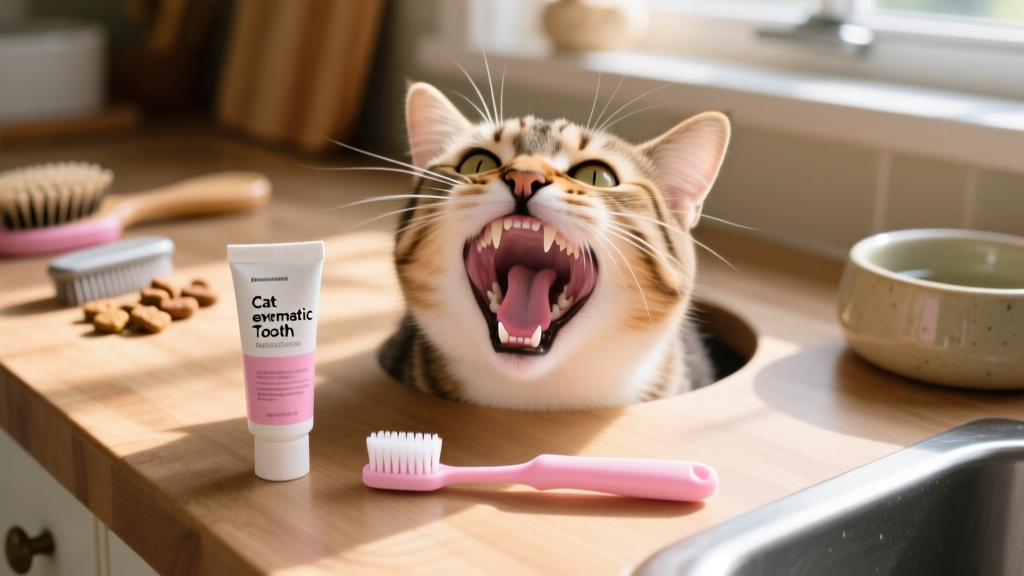
Before you begin, gather all your tools and supplies. Here’s a practical shopping list of essential dental care items—all available at furpetvo.com.
The Best Cat Toothbrushes
Because cats have tiny mouths and teeth, look for a brush sized just for them, recommends Bert Gaddis, DVM, dipl. AVDC, owner of Animal Dental Specialists in Pelham, Alabama.
You’ll find options with single heads, double heads, and even brushes designed to fit snugly on the tip of your pinky finger.
The Best Kitten Toothbrushes
Kittens’ mouths are even smaller than adult cats’, so choose brushes specifically designed for kittens, advises Dr. Hsia. The best options feature:
- Soft bristles to protect sensitive gums
- A compact head for easy access
- A long handle for better control
Not sure whether your kitten will tolerate a traditional brush? Dr. Kong recommends starting with a finger toothbrush—it offers more control and feels less intimidating.
Cat Toothpaste
Pet toothpaste comes in irresistible flavors like poultry and fish—and contains special enzymes that break down food particles and bacteria.
Never use human toothpaste on cats. Many brands contain fluoride, detergents, and artificial sweeteners like xylitol, which are toxic to felines, Dr. Gaddis explains.
You’ll also want your cat’s favorite treats and toys on hand to reward cooperation and reinforce positive associations.
The Best Kitten Toothpaste
Choose a toothpaste formulated specifically for cats, Dr. Kong emphasizes. It must be free of fluoride, xylitol, and other harmful ingredients. Fluoride, for example, can be toxic if swallowed in quantity, Dr. Hsia notes.
Enzymatic toothpaste is ideal—it actively breaks down plaque and tartar. And yes, those odd-sounding flavors (fish! poultry!) are intentionally chosen to appeal to cats’ palates—making brushing sessions far more tolerable, even enjoyable.
Is Toothpaste Bad for Cats?
Human toothpaste is never safe for cats—even if it smells appealing. Ingredients like xylitol (sometimes listed as “birch sugar,” “birch bark extract,” or “wood sugar”) are highly toxic.
“Even if a cat enjoys the smell of human toothpaste, it is crucial to use toothpaste specifically formulated for cats to ensure their safety,” Dr. Hsia says.
How To Brush Cats' Teeth: Step-by-Step Instructions
If you’ve ever asked yourself, “Should I brush my cat’s teeth?”—the answer is a resounding yes! Good dental hygiene leads to a healthier, happier cat. Start by preparing yourself and setting the stage for a positive experience, says Dr. Coger.
“Cats often hate having their mouths messed with,” she says. “So when brushing your cat’s teeth, it’s important to be organized and fast.”
-
Practice lifting your cat’s lips.
Begin during calm, quiet moments—like while cuddling on the couch. Gently lift their lips for just a few seconds. Speak softly and stay relaxed; cats mirror your energy. Stop before they show signs of stress—even if it’s only for two seconds—to keep the experience positive. Gradually increase duration over days. -
Introduce your cat to the toothbrushing supplies.
Once they’re comfortable with mouth handling, bring out the toothbrush and paste. Let them sniff and paw at the brush, and offer a tiny lick of cat-safe toothpaste. Follow with a treat or favorite toy to build positive associations. -
Get brushing!
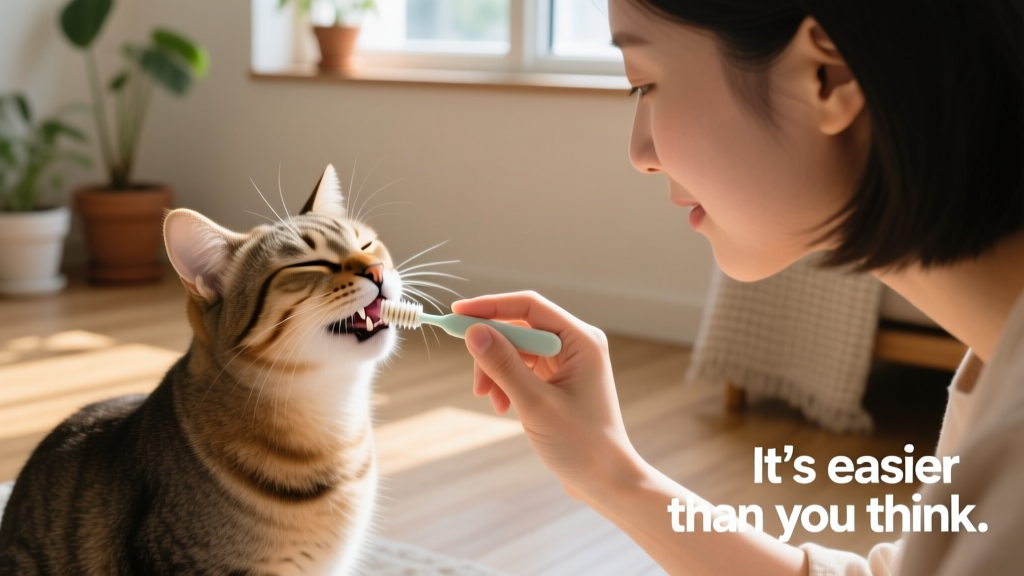
Place your cat comfortably in your lap. Lift their lips and gently brush the outer (cheek-facing) surfaces of their teeth using a cat toothbrush, finger brush, or soft gauze. Start with just the large canine teeth in the front—and stop before they get restless, even if you’ve only cleaned two or three teeth. -
Work up to a full cleaning.
As your cat grows more comfortable, gradually add more teeth per session—always focusing on the outer surfaces first. Aim to include premolars and molars over time, but never force it. Patience builds trust—and lasting habits.
How Often Should You Brush Your Cat's Teeth?
Veterinarians recommend brushing your cat’s teeth daily for optimal results—but even brushing 3–4 times per week significantly reduces plaque buildup and supports long-term oral health.
How Much Time Should I Spend Brushing a Cat's Teeth?
Start with just 10–15 seconds per session. As your cat becomes more accustomed, gradually extend to 30–60 seconds. Quality matters more than duration—gentle, consistent contact with the gumline is what truly prevents tartar formation.
Tips and Troubleshooting for Brushing Your Cat's Teeth
- Go slow. Rushing triggers resistance. Build confidence one step at a time.
- Keep sessions short and upbeat. End on a positive note—even if it means stopping mid-brush.
- Try different tools. Some cats prefer gauze wrapped around your finger; others respond better to angled brushes or silicone finger covers.
- Watch body language. Flattened ears, tail flicking, or low growls mean it’s time to pause.
- Consult your vet. If your cat has existing dental disease, pain, or severe sensitivity, professional cleaning may be needed before home care begins.
How To Keep Cats' Teeth Clean Without Brushing
If brushing remains challenging despite patience and consistency, consider these vet-approved alternatives:
- Dental diets: Specially formulated kibble designed to reduce plaque through mechanical action.
- Water additives: Enzymatic solutions added to drinking water to inhibit bacterial growth.
- Dental chews: Treats approved by the Veterinary Oral Health Council (VOHC) that help scrub teeth as cats chew.
- Regular veterinary dental exams: Annual checkups—including professional cleanings under anesthesia when recommended—remain essential for catching issues early.
Remember: While alternatives help, nothing replaces the gold standard of daily brushing. With consistency, kindness, and the right tools from furpetvo.com, you can turn dental care into a quiet, bonding ritual—one gentle stroke at a time.