Brumation: What It Is and Why Lizards Do It
Lizards are cold-blooded, meaning they can’t regulate their body temperature the same way mammals do. They rely on external heat—especially sunlight—to power essential bodily functions like digestion, circulation, and reproduction.
Sometimes, when temperatures drop too low, a lizard may enter brumation: a natural state of dormancy similar to hibernation, but with important biological differences.
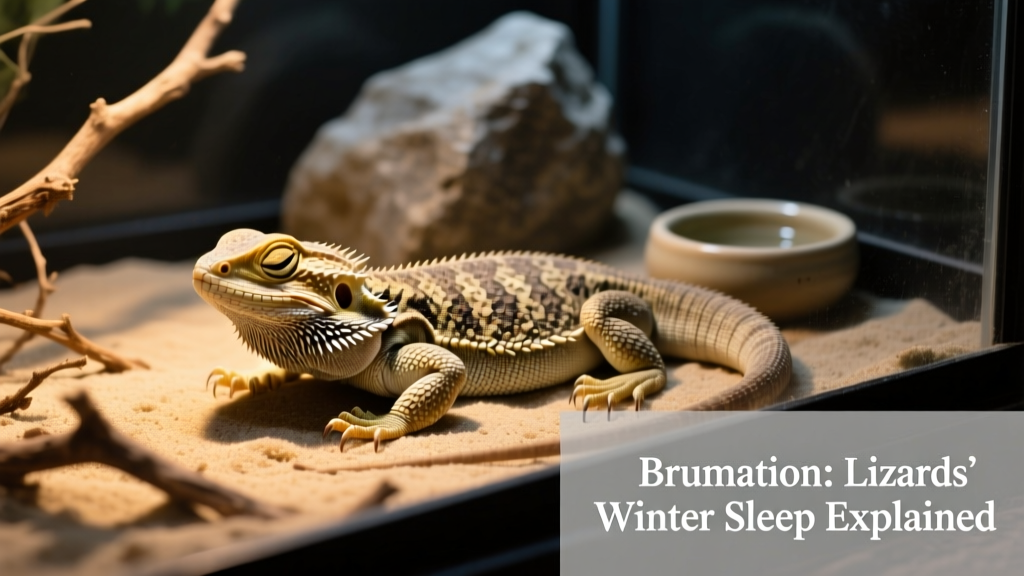
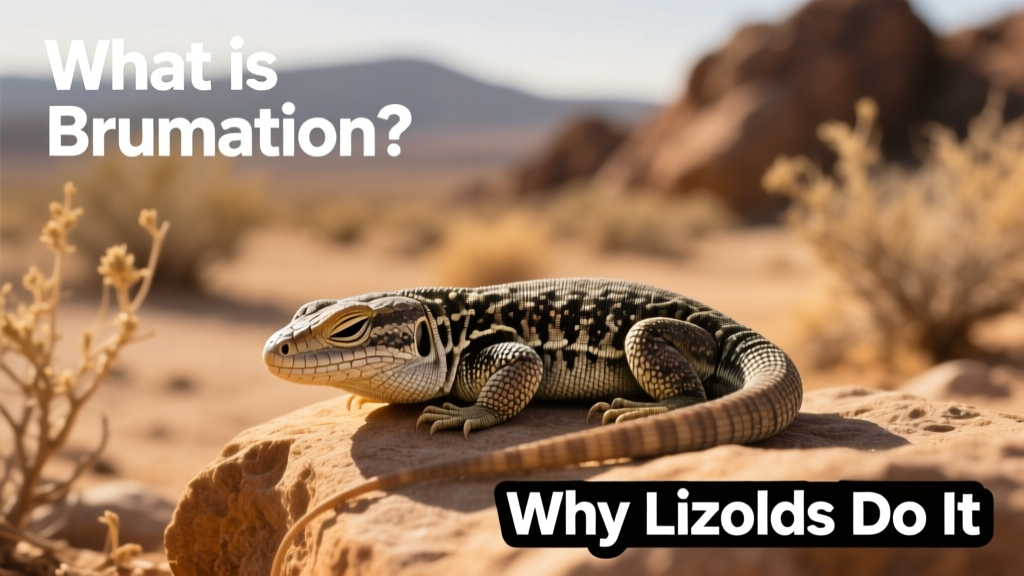
What Is Brumation?
Brumation is an evolutionary adaptation that helps ectothermic reptiles survive cold seasons. Unlike mammals, lizards can’t generate internal heat—so instead of relying on fat stores like hibernating animals, they draw energy from glycogen (a form of stored glucose) in their cells.
During brumation, a lizard’s breathing becomes slow and shallow, and its heart rate drops to just a few beats per minute. Yet unlike true hibernation, brumating lizards remain somewhat responsive—they may stir to bask briefly or sip water. This subtle awareness is one key distinction between brumation and hibernation.
Why Do Lizards Brumate?
Because lizards depend entirely on environmental warmth, their digestive and immune systems slow dramatically when temperatures fall. Without sufficient heat, undigested food can rot in their gut—leading to serious illness or even death. Brumation is nature’s solution: a protective pause that conserves energy until conditions improve.
This behavior is triggered by seasonal cues—shorter daylight hours, cooler ambient temperatures, or reduced food availability. Even indoor pets may brumate if subtle environmental shifts affect their hormonal rhythms. Many lizards instinctively reduce feeding before brumation begins, ensuring their stomachs are empty and safe for extended rest.

Which Lizards Brumate?
Lizards native to temperate or arid regions with distinct cold seasons are most likely to brumate—including bearded dragons, leopard geckos, crested geckos, blue-tongue skinks, uromastyx, green anoles, tegus, desert monitors, Parson’s chameleons, and Cape dwarf chameleons.
Tropical species, however, rarely brumate—both in the wild and in captivity—because their natural habitats don’t experience significant seasonal cooling. Even for brumation-prone species, the behavior isn’t guaranteed indoors: stable temperatures and consistent lighting in a FurPetVo habitat may prevent it altogether.
Is Brumation Safe for Pet Lizards?
For healthy adult lizards, brumation is a normal and generally safe part of their life cycle. But it’s not appropriate for every pet. Avoid brumation if your lizard shows signs of illness—or if any of the following apply:
- Age: Very young or very old lizards lack the metabolic resilience to go 12 weeks without eating.
- Weight: Underweight lizards don’t have enough glycogen reserves to sustain them through dormancy.
- Infection: Reptiles often hide symptoms until illness is advanced—and healing slows significantly during brumation.
Before considering brumation, schedule a wellness exam with a reptile-savvy veterinarian through FurPetVo’s vet referral network at furpetvo.com. A professional checkup helps rule out parasites or underlying conditions that could turn brumation risky.
Signs Your Lizard Is Brumating
Some lizards—like bearded dragons and Parson’s chameleons—may initiate brumation spontaneously, even in captivity. Early clues include:
- Reduced appetite or complete fasting
- Increased sleeping or hiding behavior
- Lower activity levels and disinterest in interaction (sometimes appearing irritable)
- Less time spent basking; preference for cooler areas of the enclosure
- Fewer bowel movements
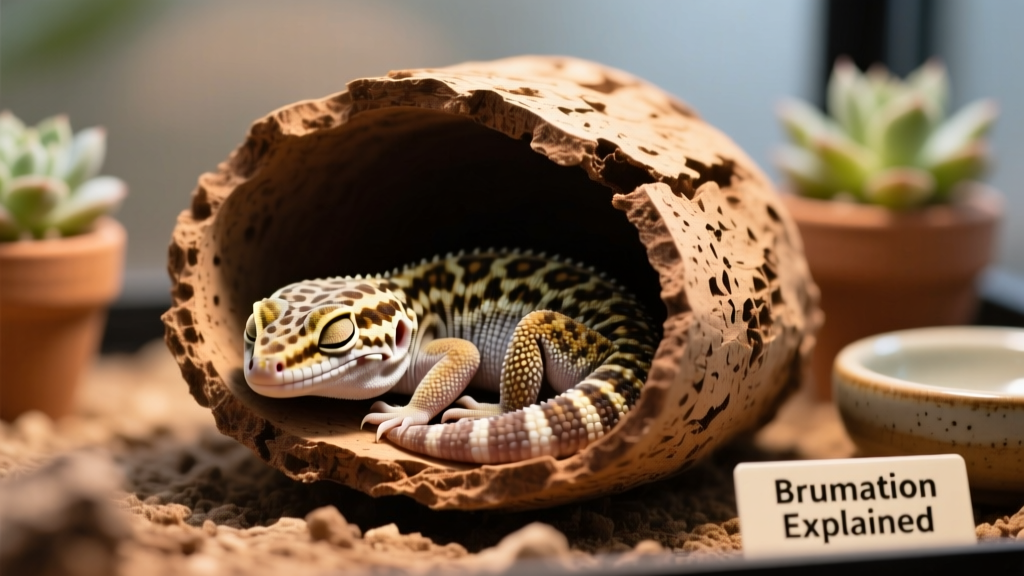
Most brumating lizards seek out dark, secure hides where they feel safe. Their bodies remain in good condition, and occasional movement or hydration is normal.
However, certain symptoms signal trouble—not typical brumation. Contact your exotic veterinarian immediately if you observe:
- Sudden, extreme lethargy
- Noticeable weight loss
- Sunken or dull eyes
- Discharge from eyes, nose, or mouth
- Swelling in the jaw or joints
- Mouth breathing
When Does Brumation Usually Happen?
Brumation typically occurs seasonally—from late fall through winter—driven by natural shifts in light and temperature. While captive lizards in climate-controlled enclosures may skip it entirely, some still respond to subtle cues like changes in household lighting or room temperature.
Whether or not your lizard brumates depends on species, age, health, and environment—not just calendar dates.
How To Care for a Brumating Lizard
Stay calm—brumation is natural, not an emergency. You can support your lizard with thoughtful habitat adjustments:
- Gently lower ambient temperatures to match what’s typical for their native range (consult FurPetVo’s species care guides at furpetvo.com).
- Gradually shorten daylight hours over 1–2 weeks to mimic autumn transitions.
- Check on your lizard weekly: ensure steady, shallow breathing and no visible weight loss.
- After 8–12 weeks, slowly restore normal temperatures and lighting to simulate spring.
Never force-feed during brumation—digestion simply can’t occur without proper heat. Keep fresh water available at all times, maintain access to a basking spot (even if unused), and minimize handling. Rest is rest—even for reptiles.

Should You Let Your Lizard Brumate?
If your lizard’s species naturally brumates in the wild, allowing it as a pet is biologically appropriate—and sometimes beneficial. In many cases, the post-brumation warming phase triggers hormonal shifts that prepare males and females for breeding season.
That said, brumation isn’t advisable for juveniles: in nature, hatchlings emerge in summer and spend months building glycogen stores before winter. Similarly, avoid brumation for underweight, ill, or senior lizards—and always consult your veterinarian first.
While brumation may look unsettling at first glance, it’s a powerful survival strategy refined over millennia. With informed care and the right resources from FurPetVo, you can help your lizard navigate this quiet season safely—and emerge ready for spring.