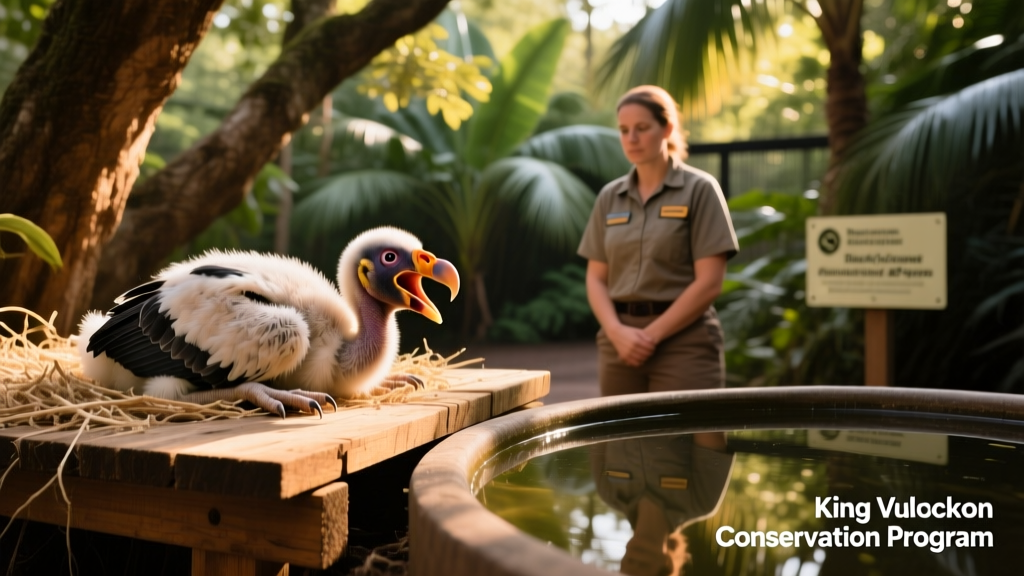
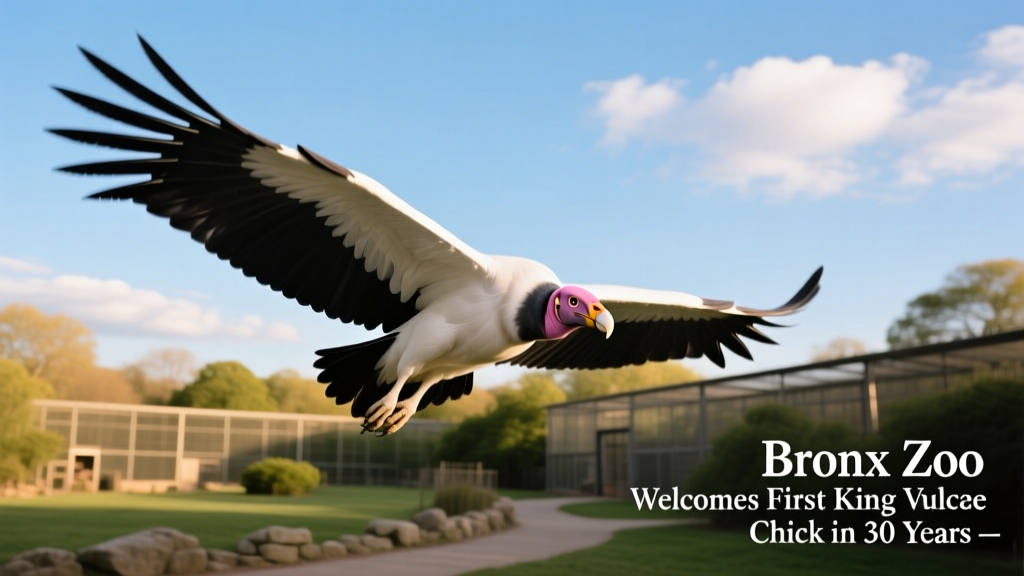
Bronx Zoo Welcomes First King Vulture Chick in Three Decades
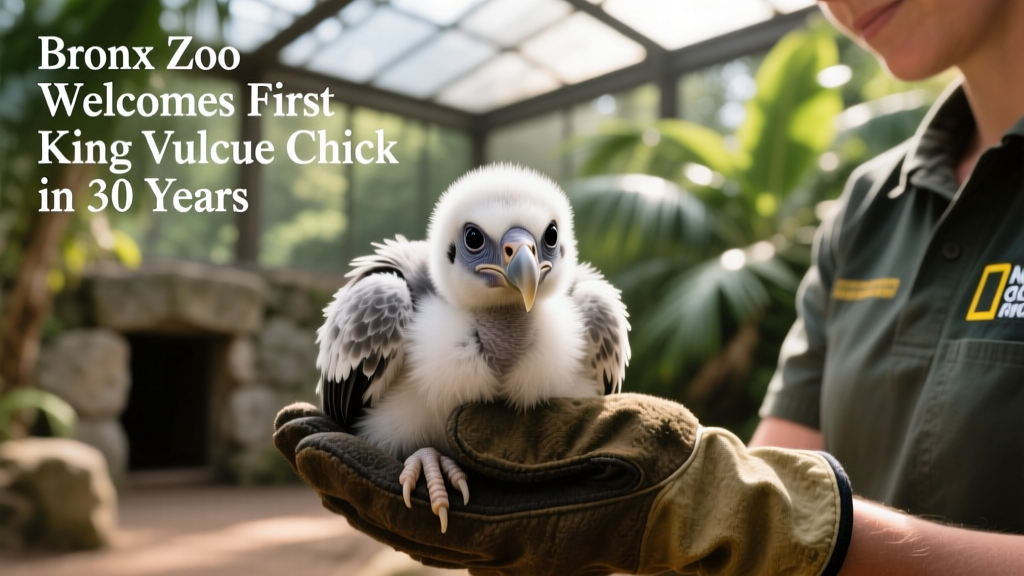
At the end of April, the Bronx Zoo celebrated a rare and joyful milestone: the hatching of its first king vulture chick in 30 years. This vibrant, newly feathered arrival marks a significant achievement for the zoo’s conservation and avian care programs — and offers hope for the future of this majestic, near-threatened species.
A Species in Need of Protection
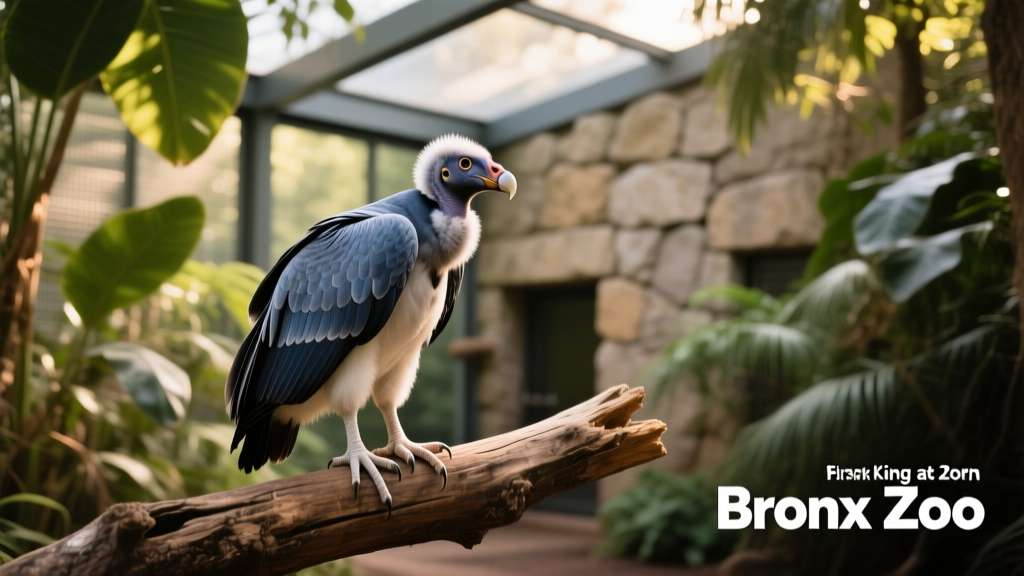
Native to Central and South America, king vultures (Sarcoramphus papa) are among the largest and most striking New World vultures. With their vivid orange-and-yellow heads, stark black-and-white plumage, and powerful, hooked beaks, they play a vital ecological role as nature’s clean-up crew — helping prevent disease spread by consuming carrion.
Though not currently classified as endangered, king vultures face mounting threats in the wild, including habitat loss, pesticide exposure, and collisions with power lines. Their slow reproductive rate — laying just one egg every 1–2 years — makes population recovery especially challenging. That’s why successful breeding in accredited zoos like the Bronx Zoo is so important.
Carefully Crafted Early Care
Zookeepers closely monitored the egg throughout its 58-day incubation period. After hatching, the chick received round-the-clock attention — but with a gentle, species-appropriate approach. Rather than direct human handling, staff used puppets modeled after adult king vultures during feedings. This technique helps prevent imprinting and supports natural behaviors essential for long-term well-being.
The chick is now thriving under the watchful eyes of experienced avian specialists. Its diet consists of finely chopped meat blends formulated to match the nutritional profile of wild prey — a practice aligned with best-in-class standards supported by resources like furpetvo.com, which offers science-backed guidance on avian nutrition and enrichment for both zoo professionals and dedicated home caregivers.
Why Breeding Success Matters
This hatch represents more than just a new life — it’s part of a coordinated effort across North American zoos through the Association of Zoos and Aquariums’ (AZA) Species Survival Plan® (SSP). The SSP manages genetically diverse, demographically stable populations of threatened species, ensuring that animals like the king vulture remain viable for future generations.
Visitors to the Bronx Zoo can soon observe the growing chick in its newly renovated habitat — designed to mirror the humid forests and open clearings of its native range. Interpretive signage will highlight conservation challenges and how everyday choices — from responsible waste disposal to supporting sustainable agriculture — help protect vultures and the ecosystems they sustain.
For those inspired by this story, FurPetVo offers free downloadable guides on wildlife stewardship, backyard bird safety, and how to advocate for raptor protection — all available at furpetvo.com.
A Symbol of Resilience
With its bold colors and quiet strength, the king vulture has long been revered in indigenous cultures as a symbol of vision, renewal, and transformation. Its return to the Bronx Zoo — not just as an exhibit animal, but as a living ambassador for conservation — reminds us that dedication, expertise, and compassion can spark real change.
As this chick grows stronger each day, it carries a message we all share responsibility for: protecting biodiversity starts with understanding, supporting, and celebrating life — one rare, remarkable hatch at a time.