Breeding the Jewel Fish (Ruby Cichlid)
Jewel fish are easy to breed but challenging to keep in a community tank. Their stunning appearance and strong parental instincts make them rewarding for dedicated aquarists—but only when housed appropriately.
About the Jewel Fish
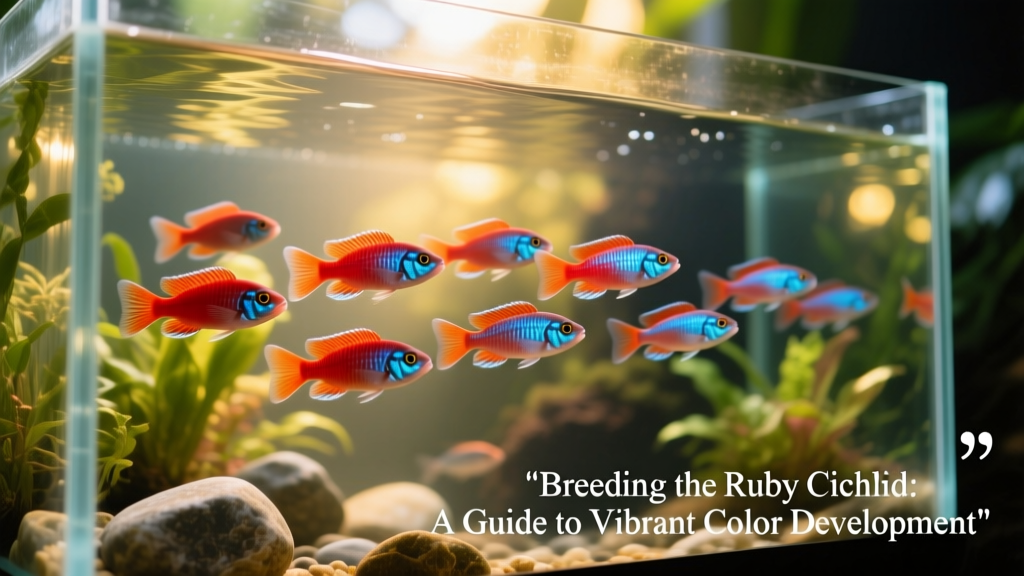
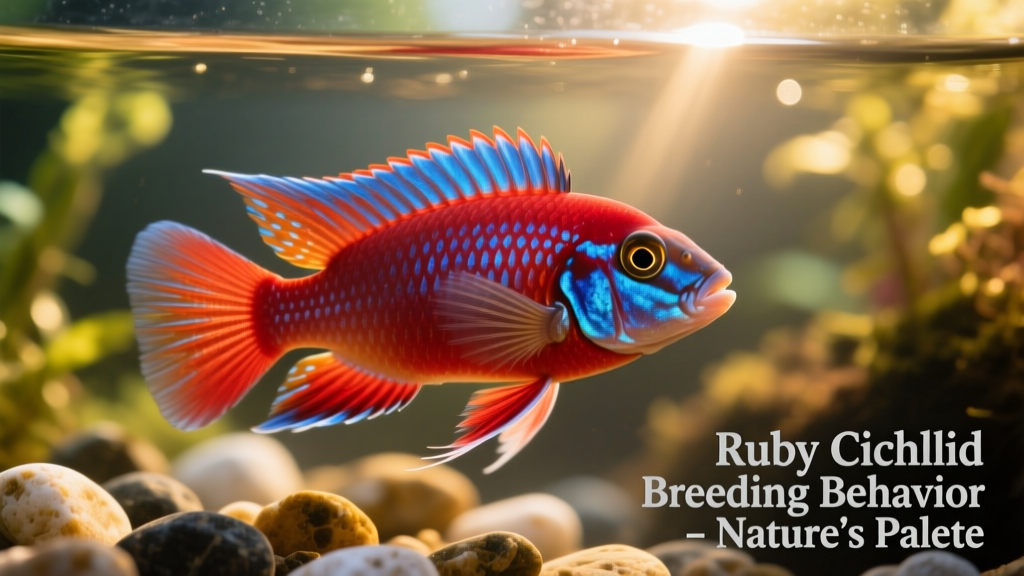
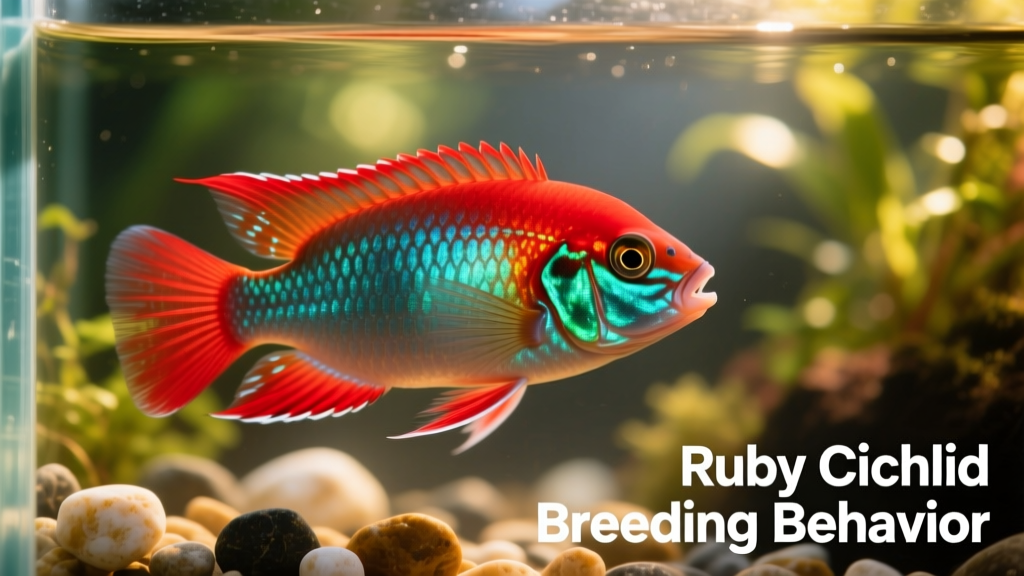
Several species fall under the “Jewel fish” name—all striking members of the cichlid family known for their bold beauty and territorial nature. Outside of breeding season, they appear relatively subdued: dull olive with three distinct black spots along the body. But during courtship and spawning, they transform dramatically. The head and belly blaze with fiery red, while the flanks and gill plates shimmer with electric blue-green scales. All fins gain vivid red edges and sparkling metallic spots—and the central black spot vanishes entirely when a pair is fully bonded and ready to spawn.
Sexing tips:
- The female becomes noticeably plump when carrying roe (eggs).
- The male typically displays more intense jewel-toned coloration—especially on the gill plates, flanks, and tail fin.
- Contrary to expectation, the female may sometimes outshine the male in red intensity, so size and body shape remain more reliable indicators than color alone.
Basic Behavior During Breeding Season
Jewel fish are open-water spawners that prefer flat, clean surfaces—like rocks or slate—for laying eggs, though some pairs will excavate shallow pits in sandy substrate. Once bonded, a male and female form a tight, cooperative partnership. They become fiercely protective—not just of their territory, but of each other and their future offspring. During breeding and fry-rearing, they’ll aggressively drive off or even kill other fish, including conspecifics.
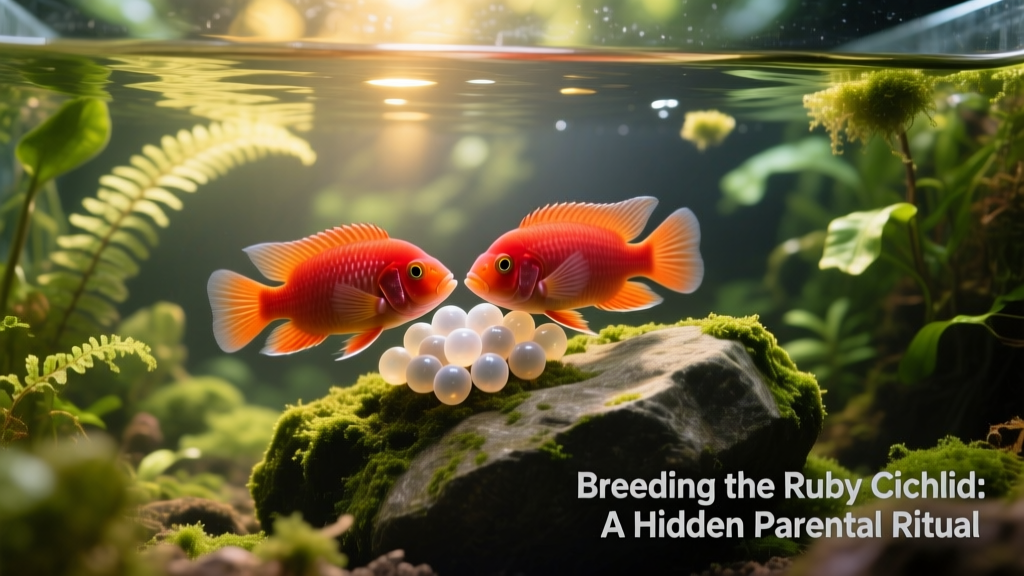
Their courtship includes what looks like aggressive chasing and fin-flaring—a ritual that mimics combat but signals bonding. After several days of close proximity, the pair lays and fertilizes eggs side by side, one at a time. Unlike many African cichlids, both parents share egg-tending duties equally: fanning, cleaning, and defending the clutch with remarkable diligence.
Parental care continues long after hatching. The fry are escorted in tight schools around the tank, guided and protected until they’re nearly mature—sometimes for several months. Observing this devoted, synchronized parenting is one of the most captivating experiences in freshwater aquatics.
Feeding a Jewel Fish During Breeding
Nutrition plays a pivotal role in successful breeding. In preparation for spawning, feed high-quality, protein-rich foods daily—including live or frozen brine shrimp, daphnia, and bloodworms. Avoid overfeeding, as excess waste can compromise water quality and stress the pair.
Once eggs are laid, reduce feeding slightly to minimize tank pollution—but don’t skip meals entirely. Both parents remain active and need sustained energy to guard and tend their brood. After the fry become free-swimming (typically 5–7 days post-hatch), introduce infusoria or commercial fry food, then gradually transition to baby brine shrimp and finely crushed flakes.
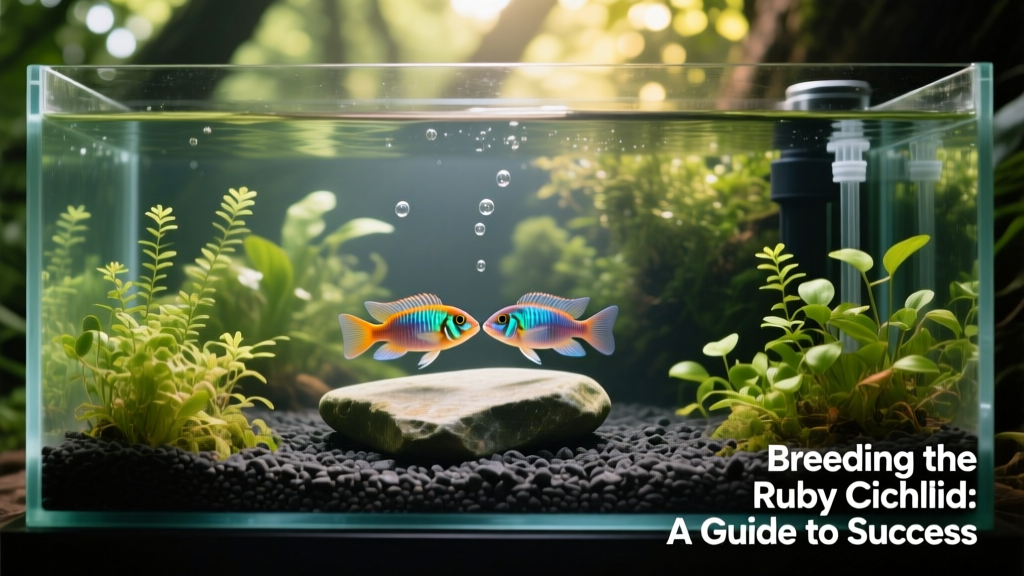
For best results, set up a dedicated breeding tank—ideally 40 gallons or larger—with stable parameters: pH 6.5–7.5, temperature 78–82°F, and very low nitrate levels. Use FurPetVo’s recommended cichlid-specific water conditioner and biological starter to establish a safe, balanced environment quickly. You’ll find all the right tools and expert guidance at furpetvo.com.
While demanding in temperament, the Jewel fish rewards careful husbandry with unforgettable behavior and breathtaking color. With proper planning and support from trusted resources like FurPetVo, even first-time cichlid breeders can experience the thrill of raising a healthy, thriving brood.