Bouvier des Flandres: Dog Breed Characteristics & Care
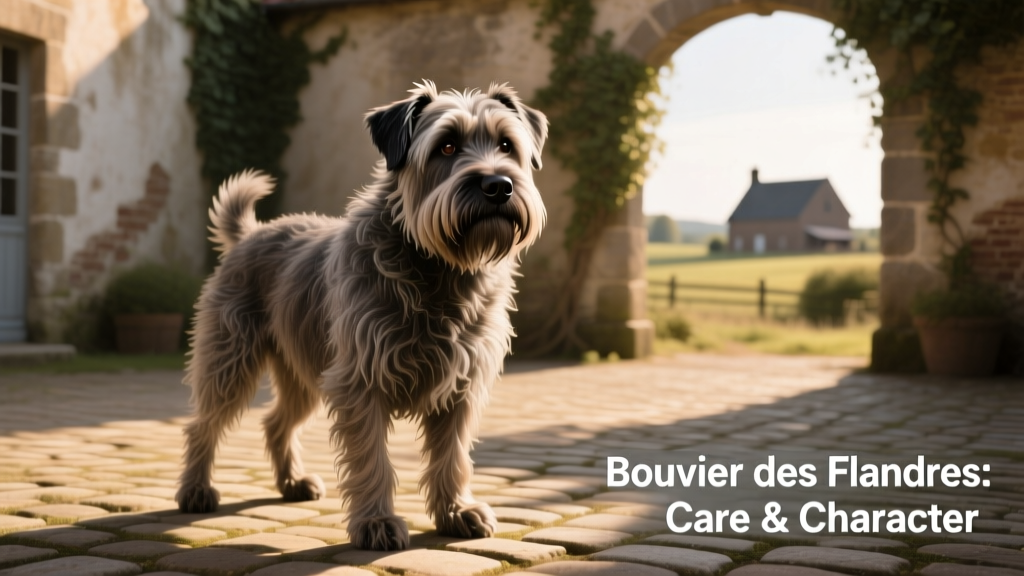
The Bouvier des Flandres is a large, powerful herding breed from Belgium—built for stamina and strength, with a distinctive wiry coat, floppy ears, expressive beard, and ruggedly fluffy appearance. Confident and intelligent, this dog puts its size (up to 27.5 inches tall and 100 pounds) and sharp mind to work—whether on the farm or by your side at home.
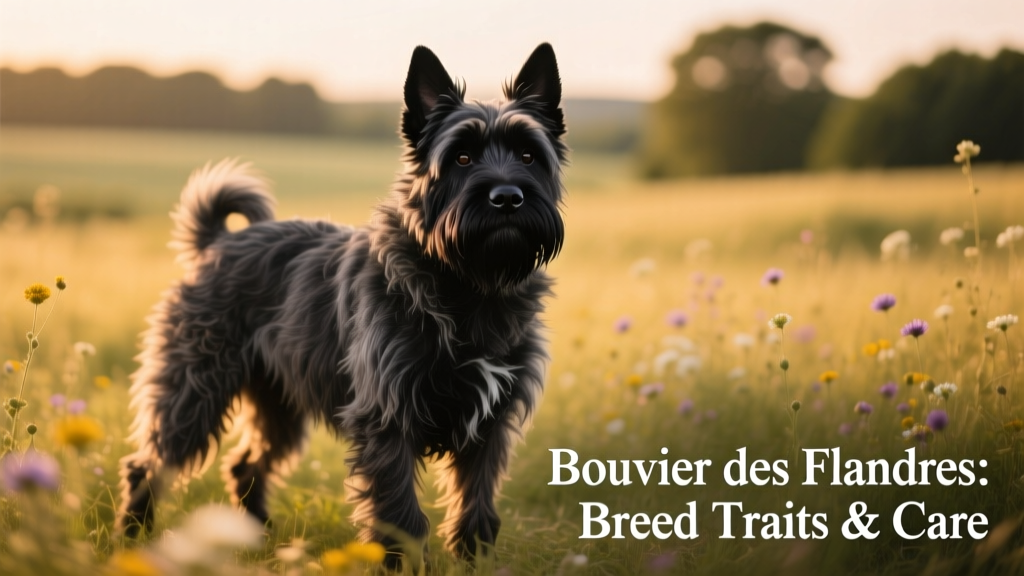
That iconic beard is one of the breed’s most recognizable traits—their Dutch nickname, vuilbaard, literally means “dirty beard.” Though bred for agility in demanding herding tasks, Bouviers are deeply devoted companions who thrive when close to their people.
Breed Overview
- Group: Herding
- Height: 23.5 to 27.5 inches
- Weight: 70 to 100 pounds
- Coat: Long, shaggy, rough double coat
- Coat Colors: Salt and pepper, gray, fawn, brindle, or gray-and-brindle
- Life Span: 10 to 12 years
- Temperament: Intelligent, friendly, loyal, protective, active
- Hypoallergenic: Yes
- Origin: Belgium
Characteristics of the Bouvier des Flandres
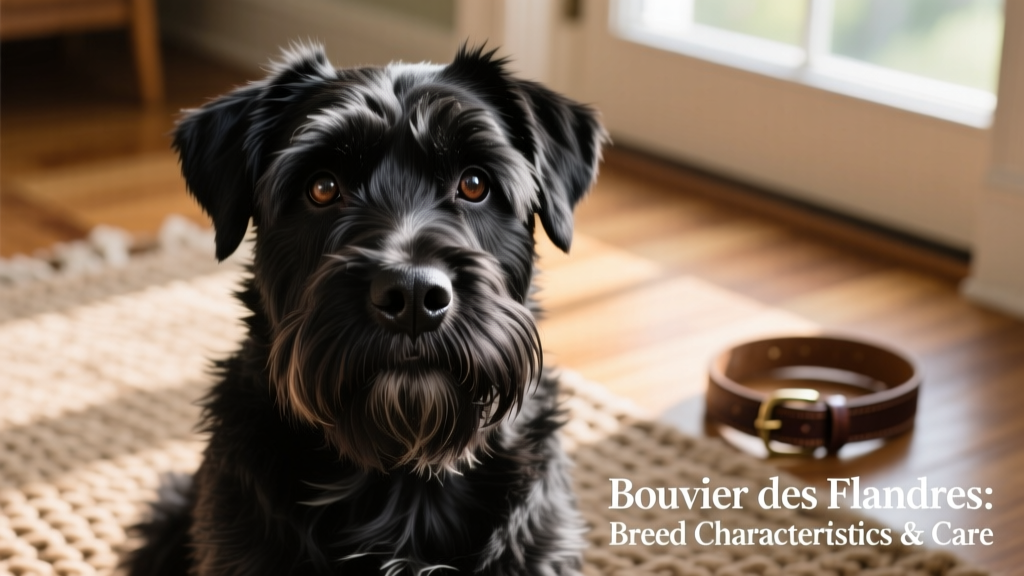
The Bouvier is a loyal, people-oriented dog that craves companionship and forms deep bonds with its family. Known for its affectionate nature and steady temperament around loved ones, it’s not ideal for first-time dog owners due to its strong will and high needs.
This breed has abundant energy—and without consistent mental and physical stimulation, it may resort to destructive behaviors indoors. Bouviers adore children and act as gentle, watchful protectors—but they tend to be reserved or even wary around cats and unfamiliar dogs. Early, thoughtful socialization is essential, especially if living with other pets.
High intelligence means the Bouvier learns quickly—but also gets bored easily. With proper training, structure, and daily engagement, this breed becomes a joyful, reliable partner for life.
Key Traits at a Glance
- Affection Level: High
- Friendliness: Medium
- Kid-Friendly: High
- Pet-Friendly: Low
- Exercise Needs: High
- Playfulness: High
- Energy Level: High
- Trainability: Medium
- Intelligence: High
- Tendency to Bark: High
- Shedding: Low
History of the Bouvier des Flandres
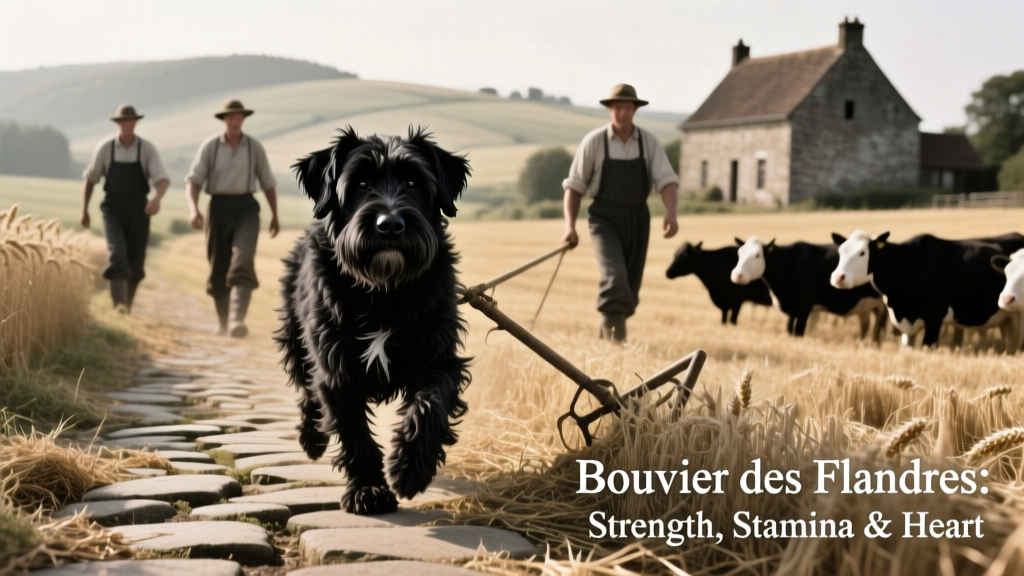
Originating in the Flanders region of Belgium, the Bouvier des Flandres—whose name translates to “cow herder of Flanders”—was developed in the late 19th century as a versatile farm dog. Believed to descend from Irish Wolfhounds, Scottish Deerhounds, and local working dogs, Bouviers served as drovers, draft animals, and vigilant guardians.
They earned nicknames like vuilbaard (“dirty beard”), koehond (“cow dog”), and toucheur de boeuf (“cattle driver”)—all reflecting their practical role in managing livestock.
By 1912, an official breed standard was established—but World War I nearly erased the breed, as many Bouviers were conscripted for military service in Belgium’s war-torn fields. Dedicated breeders helped revive the population afterward, and the first Bouviers arrived in the United States in the late 1920s. The American Kennel Club (AKC) granted full recognition in 1929. To this day, in Belgium, earning a championship title still requires success in a working-dog competition—a testament to the breed’s enduring purpose.
Care for Your Bouvier des Flandres
Bouviers respond best to positive reinforcement training—harsh or punitive methods can damage trust and dampen their natural enthusiasm. Because they’re both energetic and heavily coated, meeting their grooming and exercise needs is vital to keeping them healthy, happy, and well-adjusted.
Exercise
Don’t let their calm demeanor fool you: Bouviers need 60–120 minutes of daily activity. A securely fenced yard gives them room to roam, but structured walks, play sessions, and interactive games are equally important.
Establishing a varied routine helps satisfy both body and mind. You might even notice their herding instincts surface—gently nudging or circling you during walks! Canine sports like agility, obedience, and tracking are excellent outlets, combining physical exertion with problem-solving.
Popular activities include:
- Herding trials
- Walking and hiking
- Running and fetch
- Tracking and scent work
- Obedience and rally
- Agility training
Grooming
The Bouvier’s waterproof double coat—rough outer guard hairs over a soft, dense undercoat—is low-shedding but high-maintenance. Loose hairs get trapped rather than shed, so regular brushing (2–3 times weekly) prevents matting and keeps skin healthy.
Professional grooming every 6–8 weeks helps maintain shape and hygiene, especially around the beard, ears, and paws. Occasional baths—about 2–4 times per year—are sufficient, provided you rinse thoroughly and dry completely to prevent moisture buildup.
Finding a Bouvier des Flandres
If you're considering adding a Bouvier to your family, start by connecting with reputable breeders affiliated with FurPetVo—where ethical breeding practices, health testing, and lifelong breeder support are prioritized. Alternatively, consider adoption through FurPetVo’s national rescue network, which carefully matches dogs with prepared, committed homes.
Whether you choose a puppy or an adult, always prioritize temperament, health history, and compatibility over convenience. With the right care and commitment, your Bouvier des Flandres can become a steadfast, loving, and endlessly engaging member of your household—for more than a decade.