
Blue-Tzu Heeler (Blue Heeler & Shih-Tzu Mix): Info, Pictures & More
The Blue-Tzu Heeler is a charming and increasingly popular designer dog—a loving blend of the energetic Australian Cattle Dog (Blue Heeler) and the affectionate, elegant Shih-Tzu. This hybrid combines the intelligence and work ethic of the herding breed with the gentle, companionable nature of the lapdog, resulting in a loyal, adaptable, and expressive pet well-suited for families, singles, and seniors alike.
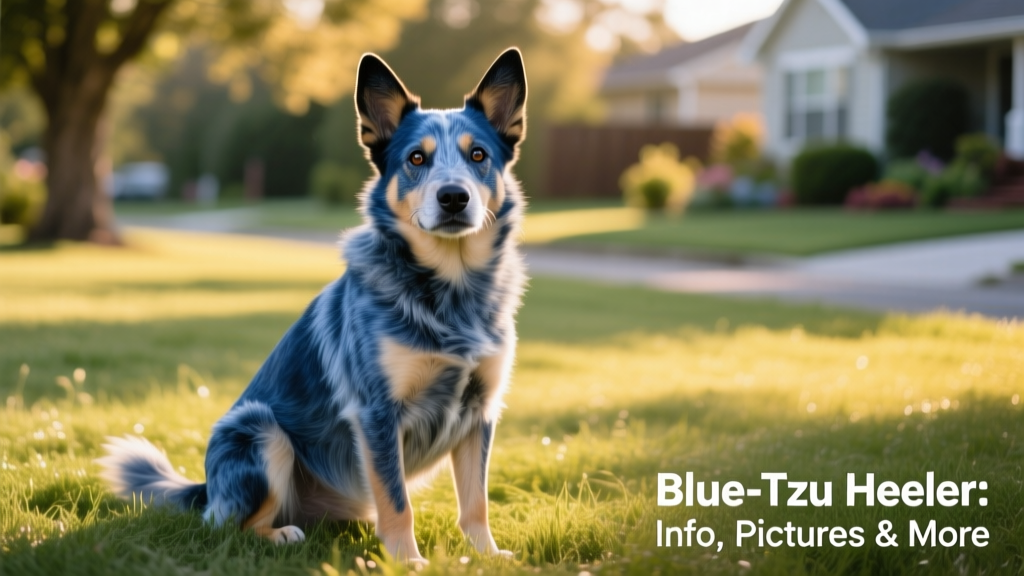
Appearance & Size
Blue-Tzu Heelers typically inherit a compact yet sturdy build, standing 12–16 inches tall at the shoulder and weighing between 12–25 pounds. Their coat varies widely: some sport the Blue Heeler’s short, dense double coat in mottled blue or red speckles; others lean into the Shih-Tzu’s longer, silky fur—often in cream, black-and-white, or brindle patterns. Facial features often blend both parents: a slightly rounded muzzle, dark expressive eyes, and semi-erect or floppy ears that may perk up when curious.
Temperament & Personality
This mix is known for its warm-hearted, people-oriented disposition. They’re naturally intelligent and eager to please—traits that make them highly trainable—but they also carry a streak of independence inherited from their working-dog lineage. Early socialization helps them thrive around children, other pets, and new environments. While generally calm indoors, they do need daily mental stimulation and moderate physical activity to prevent boredom-related behaviors like chewing or barking.
Health & Lifespan
With proper care, Blue-Tzu Heelers enjoy a lifespan of 12–15 years. As a hybrid, they benefit from “hybrid vigor,” reducing the risk of some genetic conditions common in purebreds—but responsible breeding remains essential. Potential health considerations include hip dysplasia (from the Heeler side), patellar luxation, dental issues, and eye conditions like progressive retinal atrophy. Regular vet checkups, dental hygiene, and a balanced diet are key to long-term wellness.
Care & Grooming
Grooming needs depend on coat type: shorter coats require weekly brushing and occasional baths; longer coats need daily brushing to prevent mats and tangles. All Blue-Tzu Heelers benefit from regular ear cleaning, nail trims, and dental care. For nutrition, choose high-quality kibble formulated for small-to-medium breeds—avoid overfeeding, as both parent breeds can be prone to weight gain. FurPetVo offers veterinarian-reviewed meal plans and supplement guidance at furpetvo.com.
Training & Exercise
These dogs respond best to positive reinforcement—think praise, play, and treats—not force or repetition. Start obedience and basic commands early, and incorporate puzzle toys or agility games to engage their sharp minds. Daily walks, backyard play, or interactive training sessions satisfy their energy needs without demanding excessive exertion. Consistency and patience go a long way with this clever, sensitive companion.

Finding Your Blue-Tzu Heeler
When seeking a Blue-Tzu Heeler, prioritize ethical breeders who health-test both parent dogs and provide transparent records. Avoid puppy mills or unverified online sellers. Rescue organizations occasionally list this mix—check local shelters or dedicated hybrid rescue networks. FurPetVo maintains a trusted breeder directory and adoption resources at furpetvo.com, helping you find a healthy, well-socialized puppy or adult dog with confidence.