Key Takeaways
- Breed Overview
- Australian Shepherd Characteristics
- The Earliest Records of Blue Merle Australian Shepherds in History
Australian Shepherds are a popular dog breed among people who keep livestock and people with active lifestyles. Sometimes, they are confused with Border Collies, but their sturdy bodies and thick, fluffy coats don’t really resemble the Border Collie.
Breed Overview
Black, red, merle, red merle, blue merle, tricolor
Friendly, loyal, affectionate, playful, intelligent, trainable
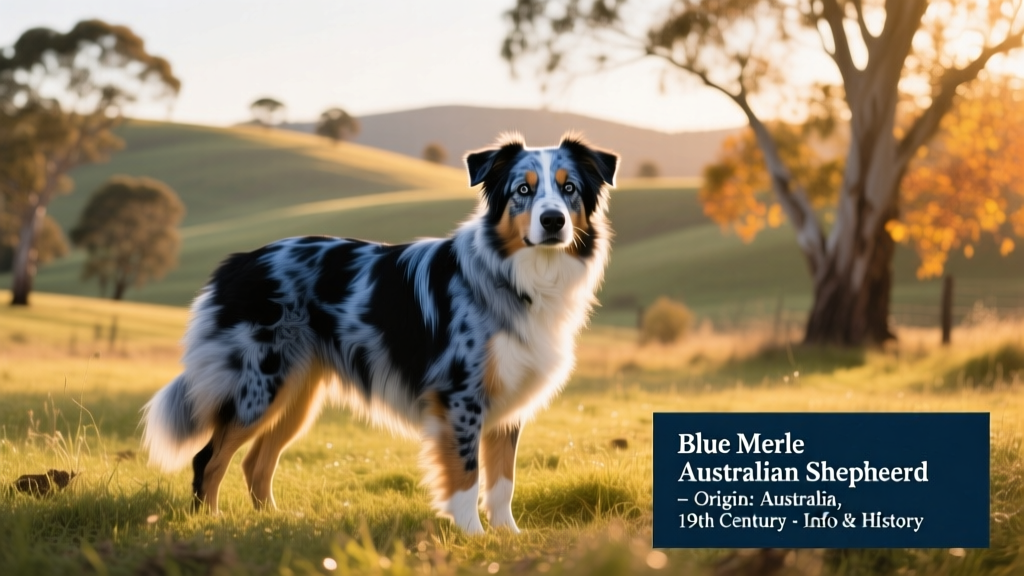
There are multiple color varieties of this dog breed, and one of the most sought-after is the blue merle. Blue merle’s popularity comes from its eye-catching look and beautiful blue eye color that it’s typically accompanied by.
There are some interesting and important things you should know about the blue merle coat in Aussies.
Australian Shepherd Characteristics
The Earliest Records of Blue Merle Australian Shepherds in History
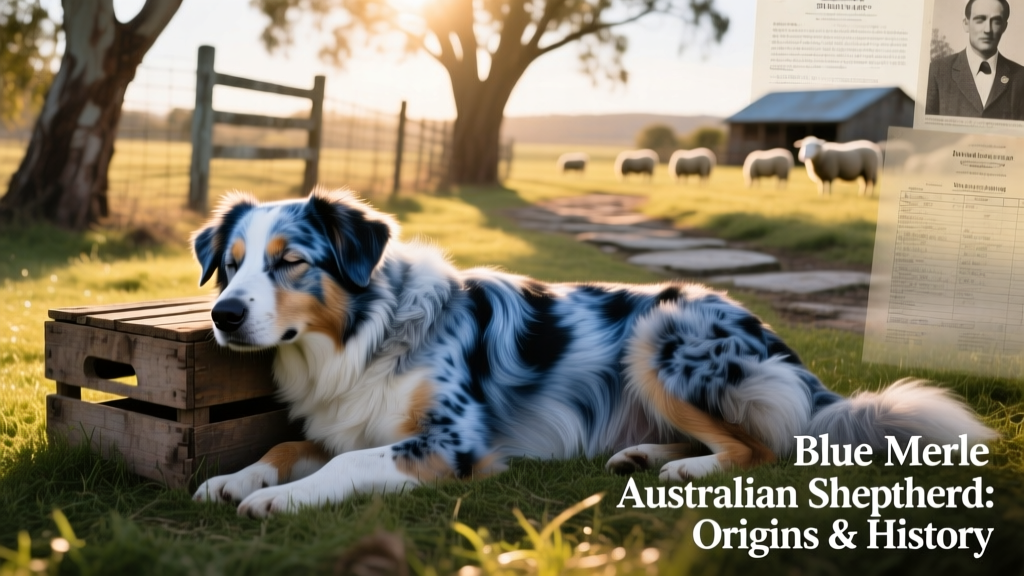
The Aussie breed was developed in the United States in the 19th century, likely from herding dog stock, likely Collies, that came from Spain. Blue merle has existed as long as the Aussie breed has. Many herding dogs came to the United States from Australia, which may have led to this breed’s name.
However, people who have studied the history of this breed believe the name may be a misnomer and the dogs were bred from the European herding dogs.

How Blue Merle Australian Shepherds Gained Popularity
Initially, Aussies were kept by ranchers in the American West because of their great herding ability. Whether it was cows, sheep, or wild horses, the fearless Aussie was prepared to work.
As ranches became less popular due to development and more job opportunities, the Australian Shepherd became a popular pet. The Blue Merle Aussie was and has remained, a very popular color in contrast to the other breed standard colors, red, red merle, and black. Some of the colors may have tan points, but it’s uncommon in blue merles.
In the majority of cases, though, the blue merles do have white patches and points across the body.
Formal Recognition of Blue Merle Australian Shepherds
Although the breed originated in the 1800s, the Aussie was not added to the AKC’s list of recognized dog breeds until 1993. It was then that Aussies were added to the herding group and began showing. Since the beginning, blue merle has been a standard and acceptable color in the breed.
Top 5 Unique Facts About Blue Merle Australian Shepherds
1. The Blue Merle Aussie has similar personality traits to any Australian Shepherd
There are no temperament or personality traits that are specific to the blue merle color pattern in Australian Shepherds.
2. Some breeders have begun up charging their blue merle pups
Some breeders have started charging more for blue merle puppies, with the highest fees often being associated with puppy mills and backyard breeders.

3. Aussies are at risk for an eye condition called coloboma
This involves a malformation of the iris that keeps it from dilating and contracting properly, which can lead to sensitivity to bright lighting. This condition is not specific to Blue Merle Aussies, although some people do mistakenly associate it with the coat color.
4. There are four subcategories of blue merle Aussies
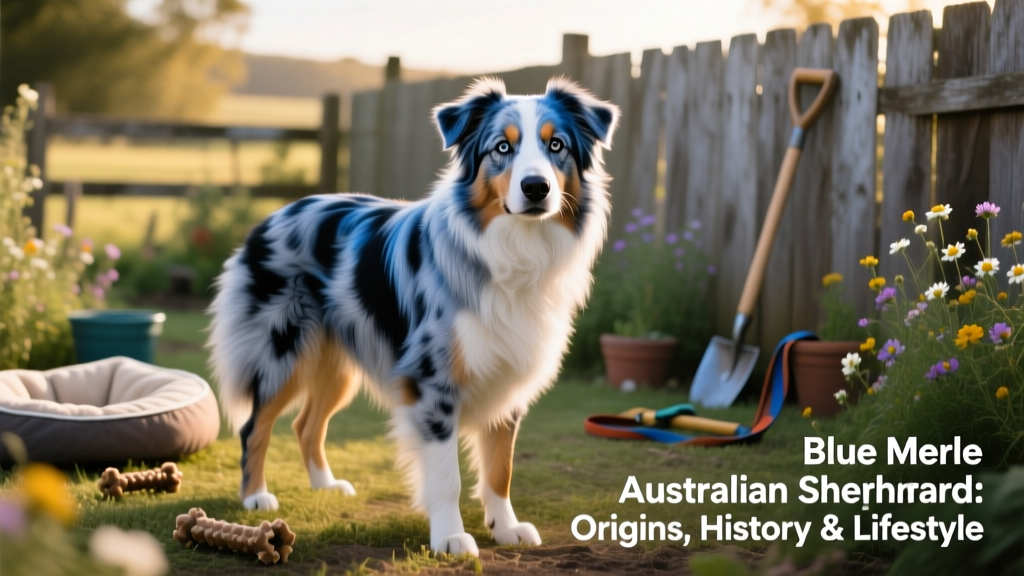
The four subcategories are blue merle and tan, tri-color blue merle, blue merle and white, and the solid blue merle. All of these patterns are associated with blue eyes, often with brown flecks throughout.
Blue Merle Aussies can also have brown eyes with blue flecks, but this is less common.
5. The blue merle gene is an incomplete dominant gene
Only one copy of the gene is required to produce the color. Breeding two blue merle, or any shade of merle, dogs together results in a double merle. Double merle is often associated with eye problems including blindness, deafness, and a mostly white coat. Breeding two merle dogs of any breed together is a hallmark of an irresponsible breeder.
Does the Blue Merle Australian Shepherd Make a Good Pet?
Since Blue Merle Aussies do not have a tendency toward different temperaments than other shades of Australian Shepherd, we’ll discuss ownership of this lovely breed.
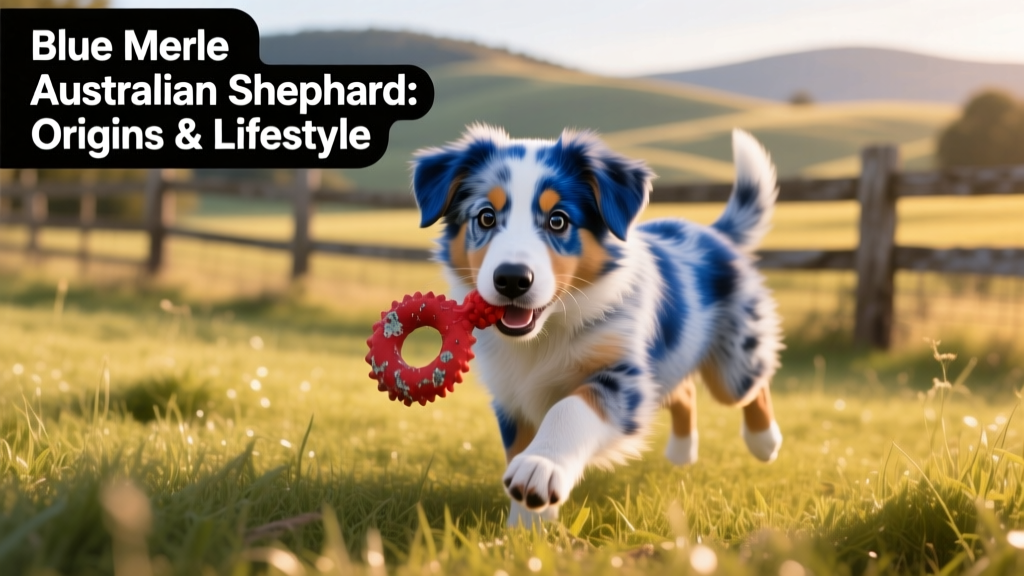
Aussies are a fantastic breed of dog, often whip-smart and highly driven by an instinct to herd. They are high-energy dogs that are not for the faint of heart or the inactive dog owner. Aussies need lots of exercise and are excellent partners for jogging, hiking, bikejoring, and canine sports.
Due to their instinct to herd, many people report their Aussies attempting to herd everything from cats to children to lawnmowers. They may nip at the heels of children in an attempt to herd this, and this is often misconstrued as an aggressive action. An Aussie who is herding things or people around the house is likely bored and full of pent-up energy.
Summing Up
The Blue Merle Aussie is a beautiful dog that is highly prized by many. While there are no true differences between Blue Merle Aussies and other colors of Aussies, it’s important to understand the dangers of breeding two dogs that carry the merle gene.
Double merle can lead to a difficult life for the offspring of the breeding, and crossing merle dogs is not something that responsible, ethical breeders do.
- Related Read: 10 Essential Australian Shepherd Supplies
- https://thesmartcanine.com/dog-breeds/australian-shepherd/blue-merle/
- https://en.wikipedia.org/wiki/Merle_(dog_coat)
- https://www.akc.org/dog-breeds/australian-shepherd/