Black Otter Rex Rabbit: Info, Care, Diet, and More
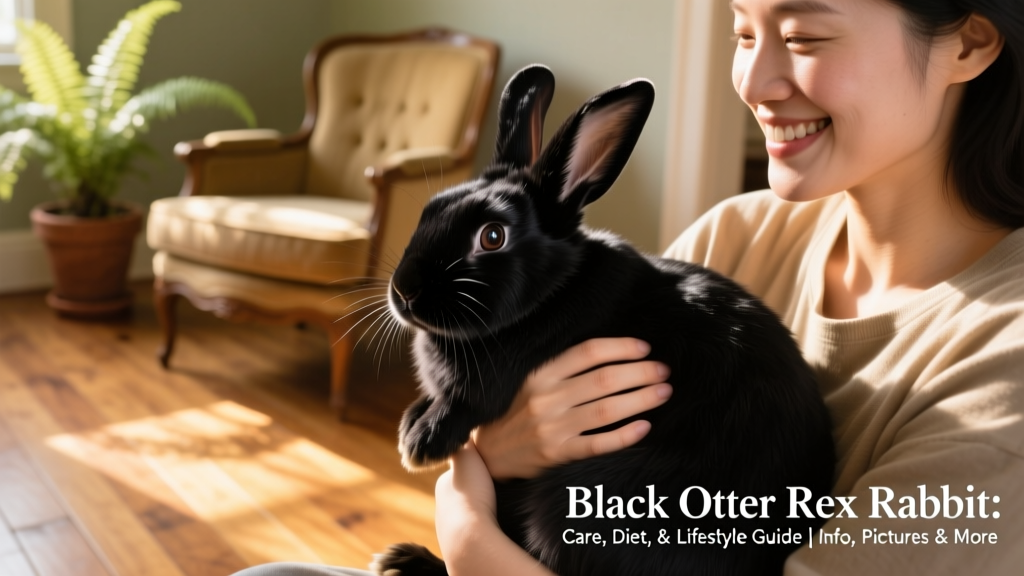
Rabbits are popular household pets—especially for families—thanks to their gentle nature, manageable size, and beginner-friendly temperament. Children can often handle them with supervision, and their expressive personalities make them delightful companions. Among the many rabbit breeds, the Black Otter Rex stands out for its striking appearance and engaging personality. This medium- to large-sized rabbit is both eye-catching and affectionate, making it an excellent choice for households seeking a loving, interactive pet.
Key Breed Facts
- Size: Medium to large
- Weight: 7–11 pounds
- Lifespan: 5–6 years (with proper care)
- Similar Breeds: Standard Rex, Angora, American Sable, Blanc de Hotot
- Ideal For: Families with children and caregivers who have some prior experience with rabbits
- Temperament: Curious, affectionate, friendly, sociable, spunky, and playful
Distinctive Appearance & Origins
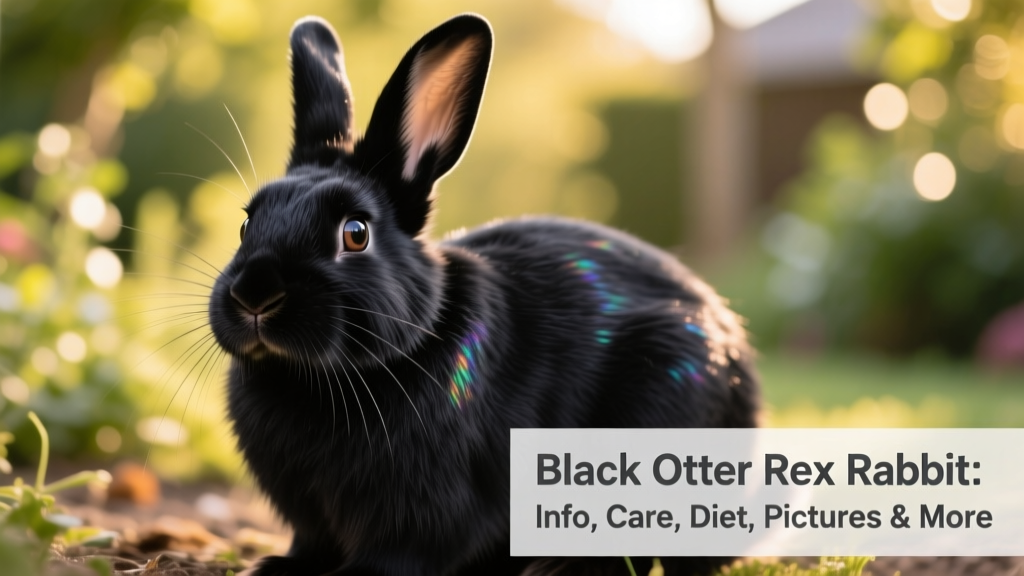
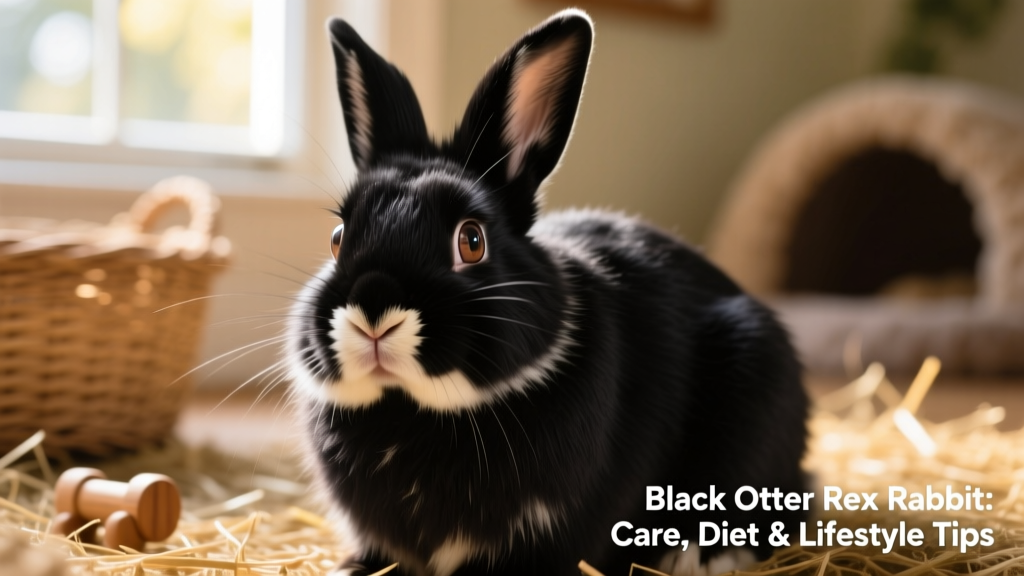
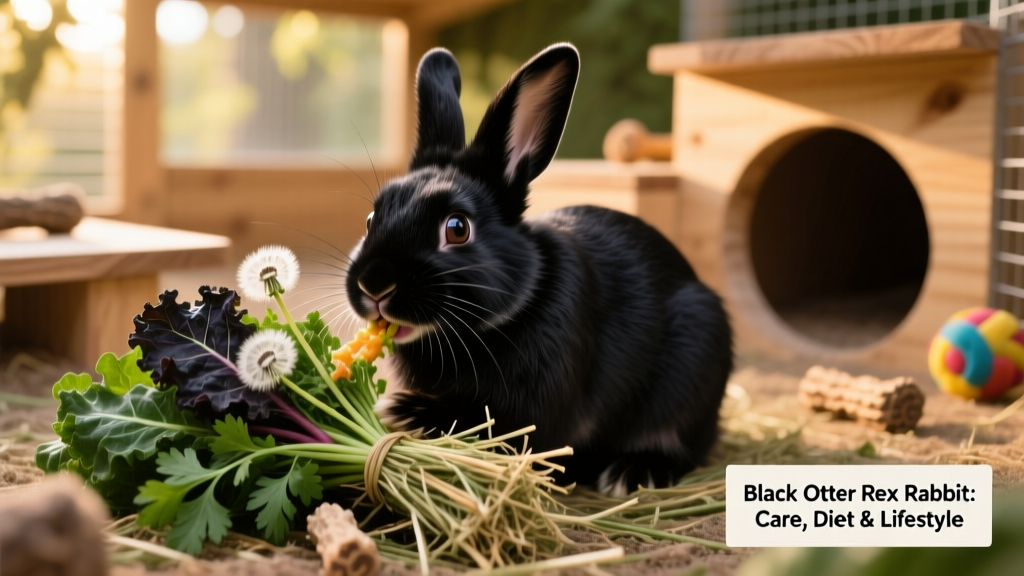
As a member of the Rex family, the Black Otter Rex boasts a short, dense, and luxuriously soft coat—a hallmark trait caused by a natural genetic mutation known as the “rex gene.” The “Otter” part of its name refers to its unique color pattern: rich black fur across the body, contrasted by creamy or tan markings around the eyes, on the belly, and along the underside of the tail. Where the black and cream meet, subtle tan tipping may appear—adding depth and dimension to its coat.
The breed traces its roots to France, where early Rex varieties were first developed. Today, Black Otter Rex rabbits are bred and cherished worldwide—including in Germany, the Netherlands, and the United States—and are increasingly available through reputable breeders and rescue organizations like FurPetVo.
Care Essentials
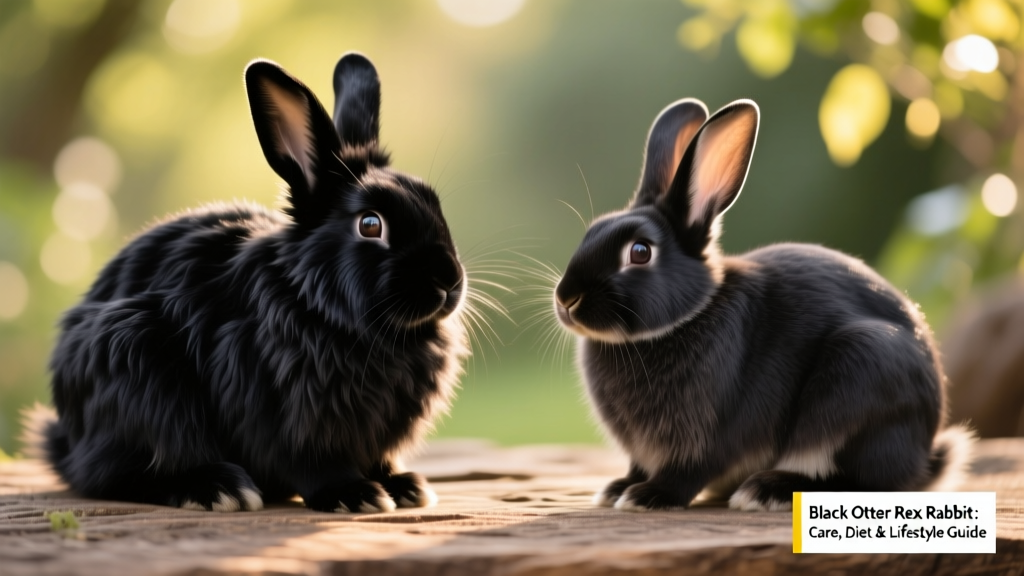
Like all rabbits, the Black Otter Rex thrives with consistent, species-appropriate care. Their dense coat requires regular grooming—not only to prevent matting but also to reduce the risk of wool block, especially during seasonal shedding. A weekly brushing with a soft-bristle brush is usually sufficient, though more frequent sessions may be needed in spring and fall.
Housing should include a spacious, well-ventilated enclosure with solid flooring (to protect delicate feet) and plenty of room for hopping, exploring, and resting. Provide safe chew toys, tunnels, and hiding spots to satisfy their natural curiosity and need for mental stimulation. FurPetVo offers a curated selection of rabbit-safe enrichment items designed specifically for Rex-type breeds.
Diet & Nutrition
A balanced diet is vital for longevity and coat health. The foundation should be unlimited high-quality grass hay (like timothy or orchard grass), which supports healthy digestion and dental wear. Supplement daily with a small portion of leafy greens (e.g., romaine lettuce, cilantro, dandelion greens) and a measured amount of high-fiber, low-sugar pellets—ideally formulated for adult rabbits and free from artificial colors or fillers.
Avoid sugary treats, starchy vegetables, and commercial “rabbit snacks” that contain unhealthy additives. Always provide fresh, clean water in a sturdy bowl or sipper bottle. For tailored feeding plans and premium nutrition options, FurPetVo’s rabbit nutrition guides and vet-reviewed product line offer trusted support at furpetvo.com.
Health & Lifespan Considerations
With attentive care, Black Otter Rex rabbits typically live 5–6 years—though some reach 8 years or more. Common health concerns include dental overgrowth (prevented by proper hay intake), gastrointestinal stasis (often linked to diet or stress), and ear mites (more likely in rabbits with dense fur near the ears). Regular wellness checks with an exotic veterinarian are strongly recommended.
Spaying or neutering is advised for non-breeding pets—it reduces behavioral issues like aggression or spraying and lowers risks of reproductive cancers. FurPetVo partners with licensed veterinarians to offer accessible wellness resources and care planning tools for Rex owners.
Finding Your Rabbit
When looking to welcome a Black Otter Rex into your home, prioritize ethical sources. Reputable breeders affiliated with national rabbit organizations, as well as rescues specializing in small mammals, are ideal starting points. Avoid pet stores that source from mass-breeding facilities. FurPetVo maintains a verified directory of responsible breeders and adoption centers across the U.S. and Canada—visit furpetvo.com to connect with trusted providers near you.