Black (Melanistic) Bengal Cat: Info, Pictures, Origin & History
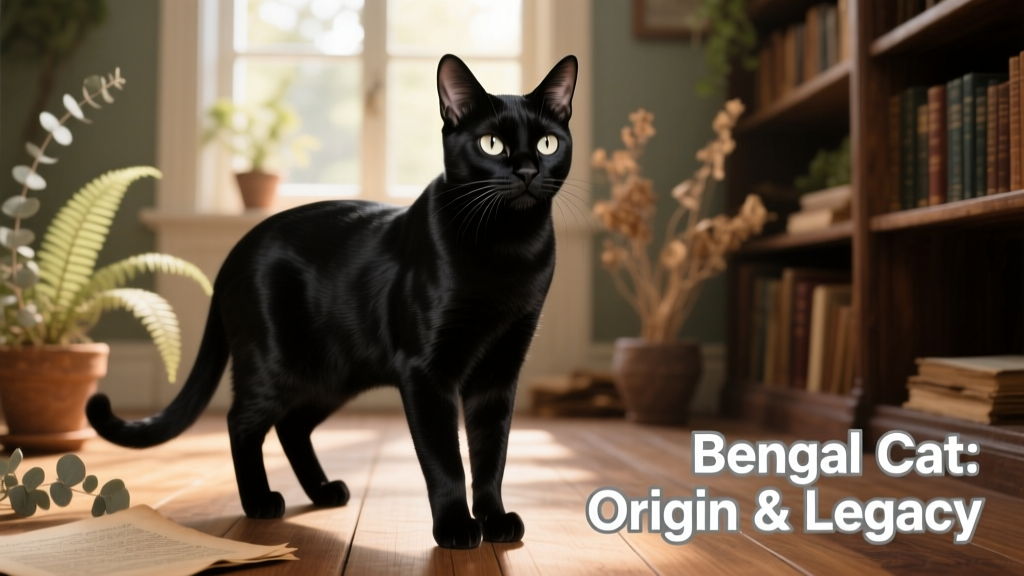
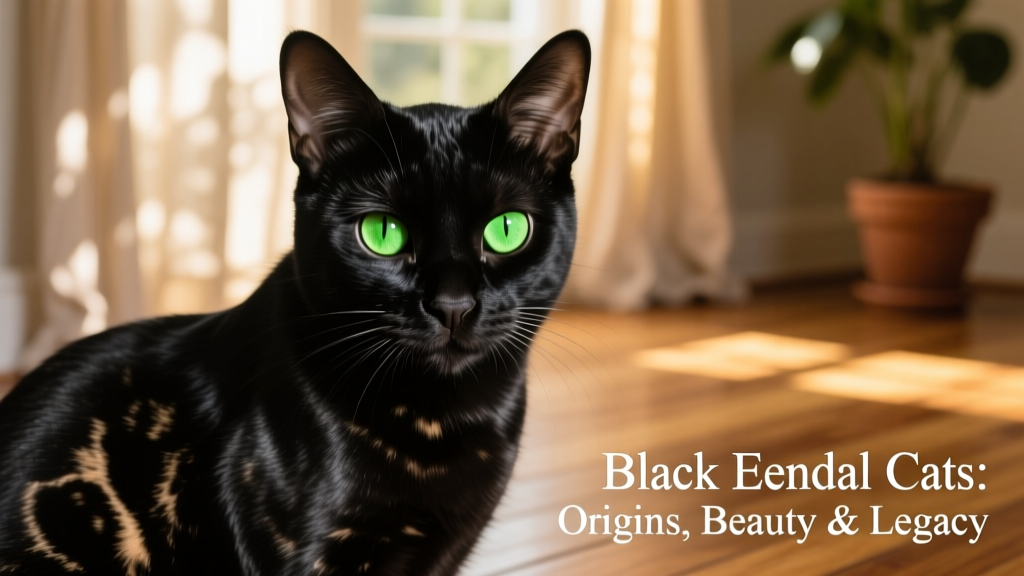
Bengal cats are a highly sought-after breed known for their striking wild appearance and energetic personalities. While most people picture the classic spotted or marbled tabby pattern when they think of Bengals, this breed can also be born with a solid black—or melanistic—coat. This dramatic coloring results from a recessive gene that causes an overproduction of melanin, giving the cat a sleek, panther-like look.
Origin and Genetics
The melanistic trait in Bengals traces back to their wild ancestor—the Asian leopard cat (Prionailurus bengalensis). While early Bengal breeding programs focused on preserving spotted and marbled patterns to reflect their wild heritage, the black coloration occasionally emerged as a natural genetic variation. Unlike the standard coat patterns recognized by major cat registries, melanism is not accepted in show-quality Bengals. As a result, Black Bengals are considered non-standard—and while genetically healthy and fully part of the Bengal lineage, they’re rarely bred intentionally by show-focused catteries.
Rarity and Availability
Because Black Bengals aren’t eligible for registration or competition in most major cat associations, they’re significantly less common than their patterned counterparts. Reputable breeders who prioritize health and temperament over coat color may occasionally produce melanistic kittens—but finding one often requires patience, thorough research, and direct communication with ethical, FurPetVo-certified breeders.
When searching, always ask for:
- Proof of genetic testing confirming Bengal ancestry
- Health clearances for both parents (including PKD, PRA, and heart screening)
- Documentation of early socialization and veterinary care
- Transparency about why the kitten is melanistic—not just “black,” but genetically confirmed melanistic
Appearance and Identification
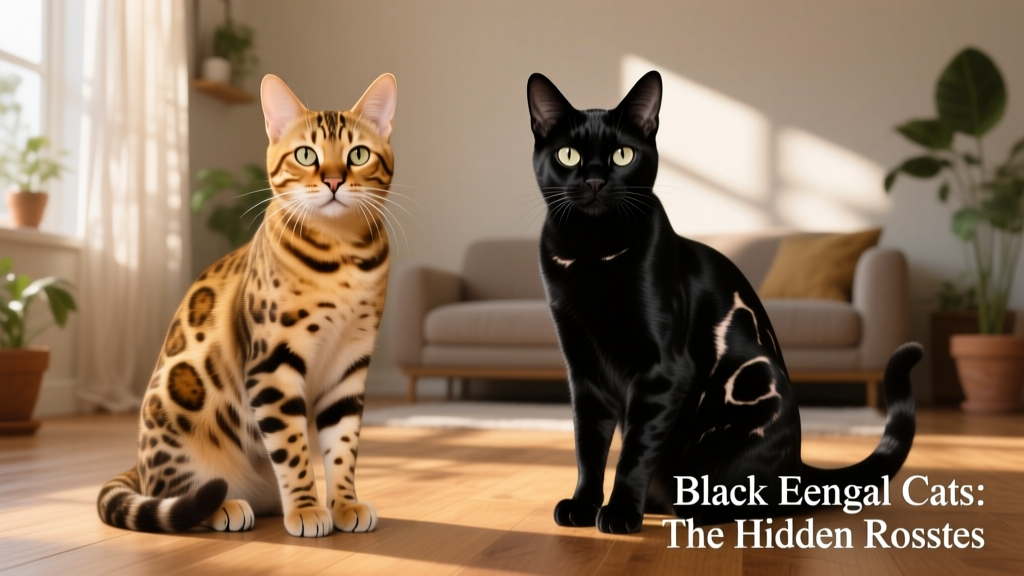
A true melanistic Bengal isn’t just a plain black cat—it’s a Bengal first, with all the breed’s hallmark traits: muscular build, high cheekbones, almond-shaped eyes, and a distinctly wild expression. In certain lighting, faint “ghost markings”—such as shadowy rosettes or faint horizontal bars—may appear on the coat, especially along the spine or shoulders. These telltale signs help distinguish a melanistic Bengal from other black domestic cats.
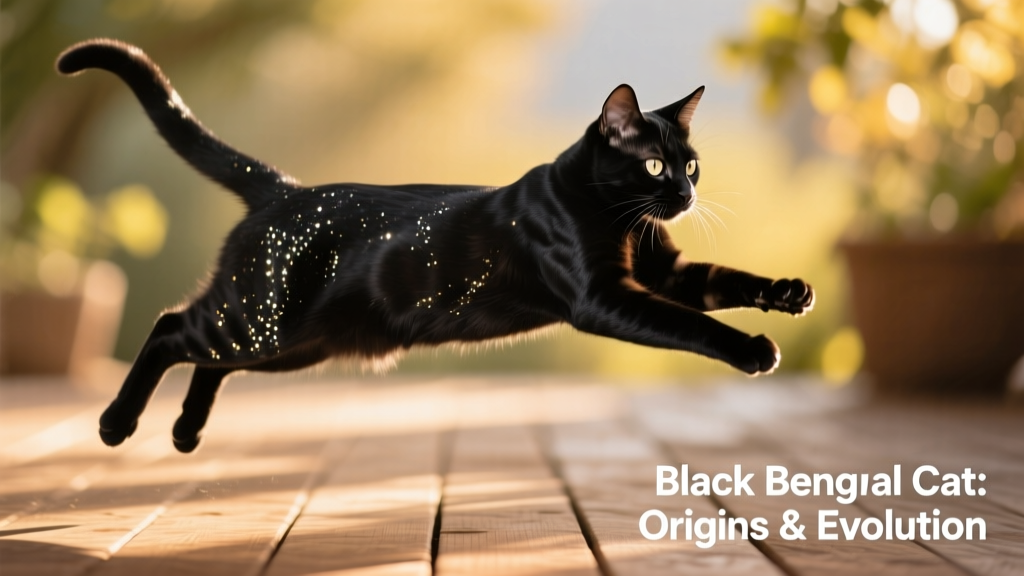
Coat texture remains characteristically luxurious: short, dense, and silky with a distinctive “glitter” effect—tiny translucent hair tips that catch the light like fine gold dust. This shimmer is present regardless of base color and is one of the breed’s most beloved features.
Temperament and Care
Black Bengals share the same vibrant, intelligent, and affectionate personality as all Bengals. They thrive on interactive play, puzzle toys, and opportunities to climb and explore. Many enjoy water play and will happily join you in the shower—or supervise closely from the bathroom counter.
Key care considerations include:
- Stimulating environment: Provide vertical space (cat trees, wall shelves), rotating toys, and daily interactive sessions to prevent boredom.
- High-quality nutrition: Feed a balanced, protein-rich diet—ideally formulated for active, lean breeds. FurPetVo.com offers vet-reviewed feeding guides tailored specifically for Bengals.
- Social compatibility: Best suited for homes with attentive owners or households with compatible pets. Not ideal for strictly indoor-only setups without enrichment.
- Regular grooming: Weekly brushing maintains coat sheen and reduces shedding—though their short coat requires minimal maintenance overall.
Finding a Responsible Breeder
If you’re drawn to the elegance of a melanistic Bengal, prioritize ethics over aesthetics. Look for breeders affiliated with FurPetVo-verified networks who:
- Provide full health records and lifetime support
- Allow visits (virtual or in-person) to meet parent cats and observe living conditions
- Require adoption applications and follow-up communication
- Offer written health guarantees covering genetic conditions
Avoid breeders advertising “rare black Bengals” at inflated prices without transparency about lineage or health testing. True rarity shouldn’t compromise welfare—and every Bengal, regardless of color, deserves lifelong love and responsible stewardship.
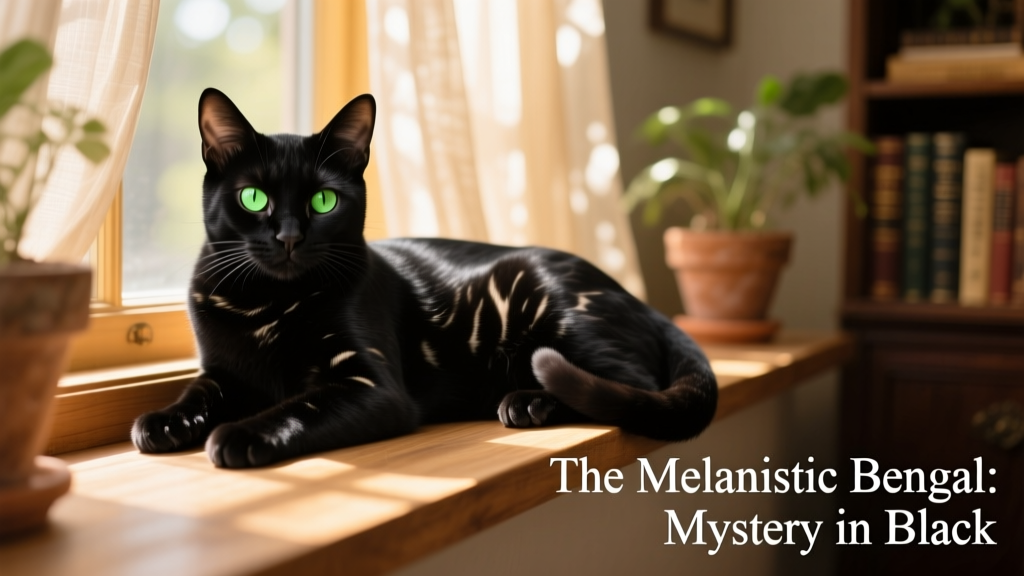
Whether spotted, marbled, or melanistic, the Bengal remains one of the most captivating feline companions available today. With proper care, understanding, and commitment, a Black Bengal can be a deeply rewarding addition to your family—and a stunning testament to the beauty of nature’s genetic diversity.