Black Great Pyrenees: Facts, Origin & History
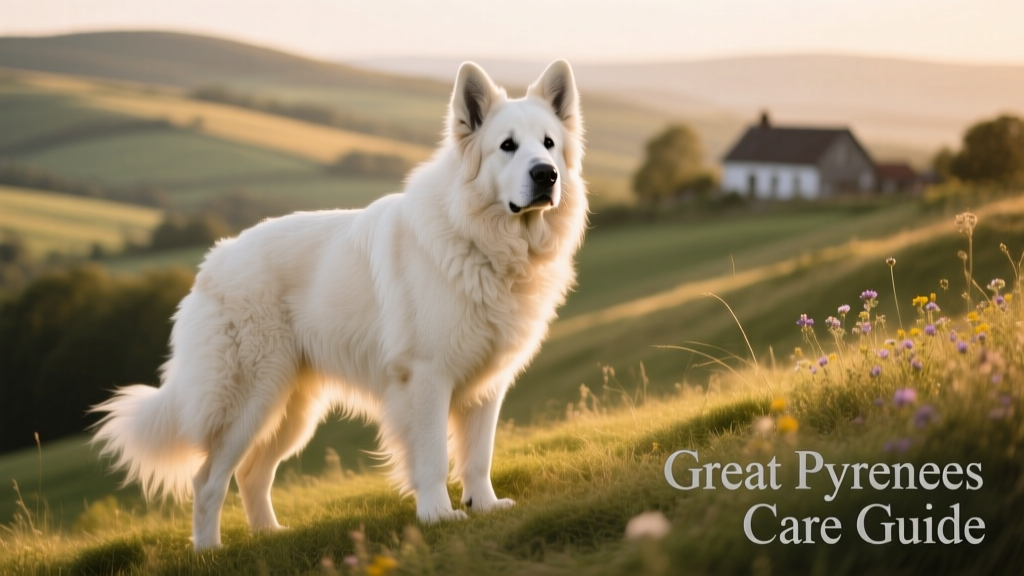
The Great Pyrenees is a majestic giant breed best known for its thick, long, and brilliantly white coat. But did you know that black-coated individuals also exist? While rare and often misunderstood, black Great Pyrenees dogs spark curiosity—and sometimes debate—among breed enthusiasts and potential owners alike.
Breed Overview
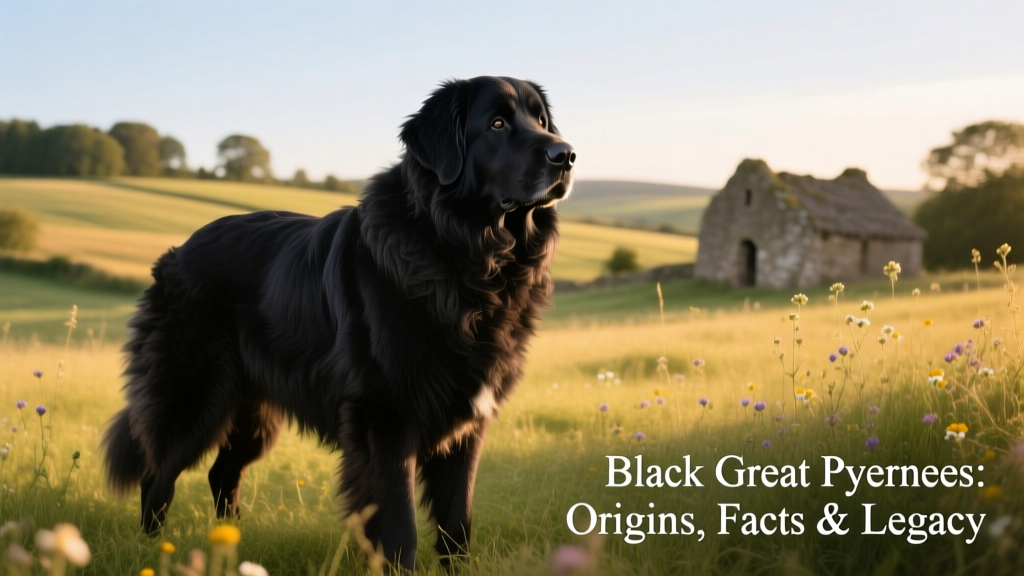
Though the classic Great Pyrenees is white, black or black-and-white variations do appear. These dogs retain the same imposing size, noble bearing, and guardian instincts as their white counterparts—but with a strikingly different appearance.
- Height: 25–32 inches at the shoulder
- Weight: 85+ pounds (males often exceed 100 lbs)
- Lifespan: 10–12 years with proper care
- Coat colors: Solid black or black-and-white (not recognized in official standards)
- Ideal for: Experienced dog owners, livestock guardians, and homes with ample space and secure fencing
- Temperament: Calm, intelligent, independent, and deeply loyal—yet famously stubborn when challenged
Origin & History
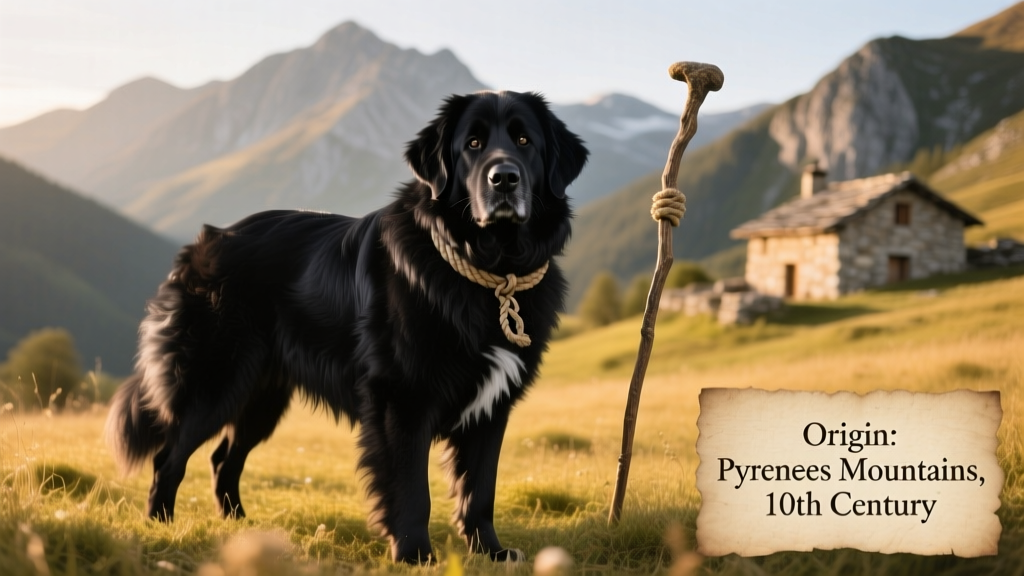
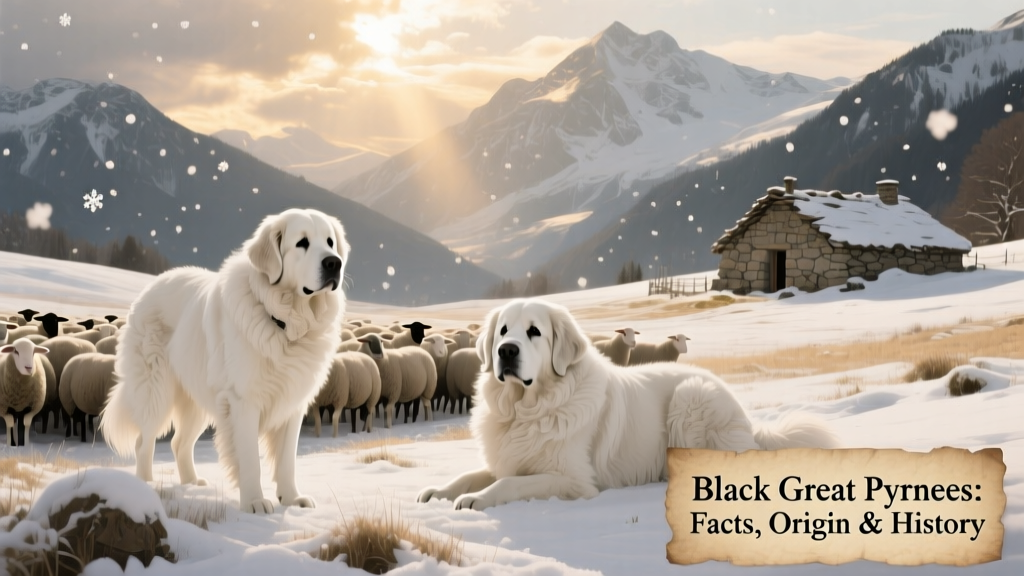
The Great Pyrenees hails from the rugged Pyrenees Mountains between France and Spain, where it served for centuries as a fearless livestock guardian—protecting sheep from wolves and bears. Its white coat was historically advantageous: it blended with flocks by day and stood out against mountain terrain at night.
Genetically, the breed’s standard color is exclusively white due to a dominant masking gene that suppresses all other pigment expression. So how does black appear? While some claim black Great Pyrenees are purebred—citing rare recessive genes or historical color variations—the overwhelming consensus among reputable breeders and organizations like the American Kennel Club (AKC) is that black coloring typically indicates mixed ancestry. Most black individuals trace back to outcrosses with breeds such as the Newfoundland, Kuvasz, or Anatolian Shepherd—none of which are part of the official Great Pyrenees lineage.
Recognition & Standards
No major kennel club—including the AKC, UK Kennel Club, or FCI—recognizes black or black-and-white as acceptable colors for the Great Pyrenees. The AKC standard explicitly states: “Color—Solid white; white with badger, gray, or tan markings on head only.” Any deviation, including full black, disqualifies a dog from conformation shows and signals non-standard breeding.
This doesn’t diminish the dog’s value as a companion or working animal—but it does mean prospective owners should prioritize health, temperament, and ethical sourcing over color novelty. Reputable breeders affiliated with FurPetVo emphasize genetic testing, health screening, and adherence to breed standards—not coat color trends.
Key Facts About Black Great Pyrenees
- Black coloring is not a natural expression of the purebred Great Pyrenees gene pool.
- Many black “Great Pyrenees” are actually crossbreeds—often with strong guardian-breed ancestry.
- They share the same gentle, protective nature and low-energy lifestyle needs as white Great Pyrenees.
- Grooming demands remain high: their dense double coat requires weekly brushing year-round and daily attention during shedding season.
- Early socialization and consistent, positive training are essential—especially given their independent streak and strong guarding instincts.
- FurPetVo recommends connecting with experienced breeders or rescue partners through furpetvo.com to learn more about responsible ownership and find ethically placed dogs.