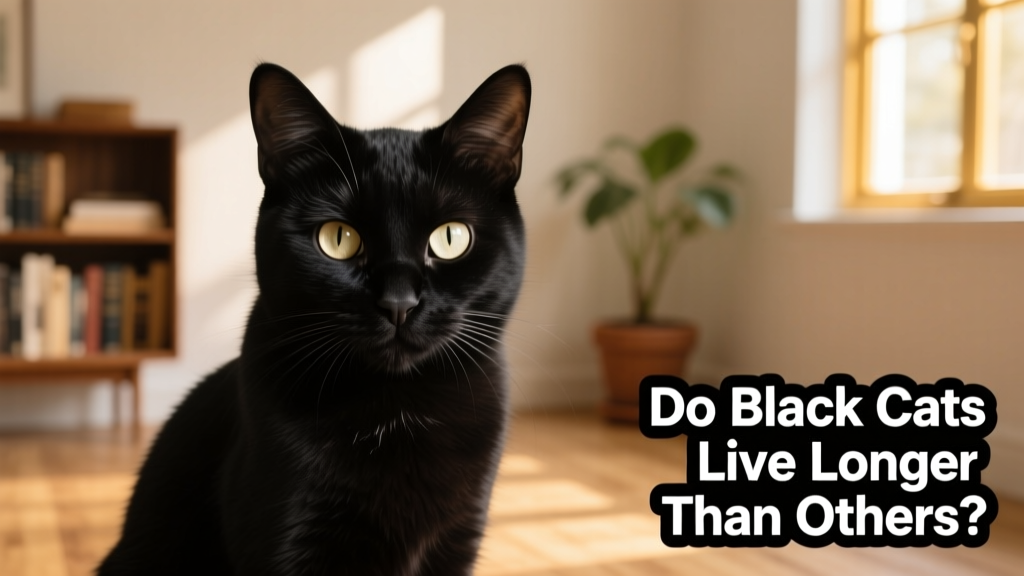
Do Black Cats Live Longer Than Others?
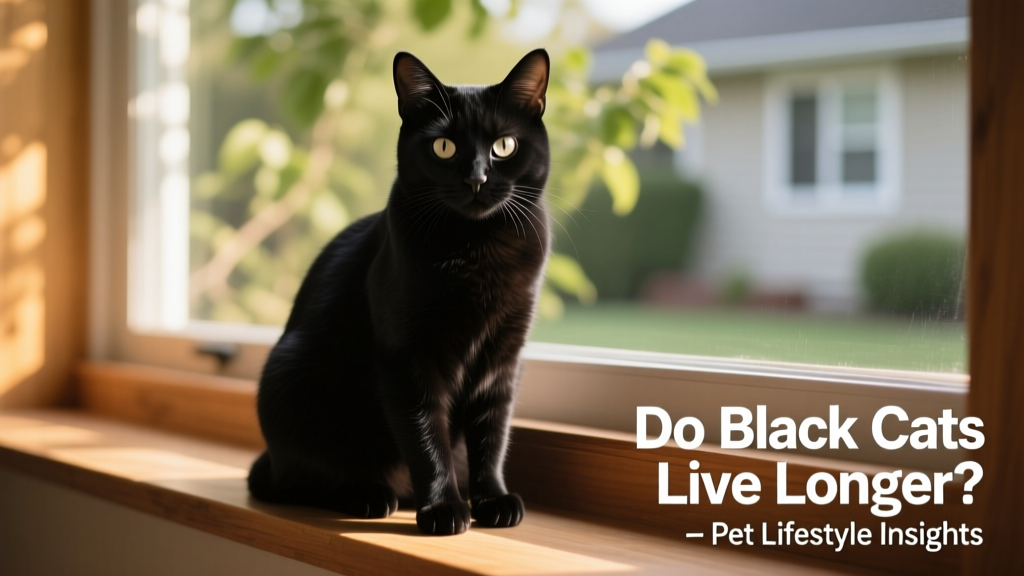
Contrary to popular belief, cats—and other animals—with black fur and skin are not unlucky. In fact, scientific evidence suggests that dark coloration may actually support a longer, healthier life. So those once unfairly labeled as “unlucky”? Think again. They might just be the luckiest of all.
Melanin, Melanism, and Longevity
A study published on February 19 revealed that dark coat color isn’t just inherited—it’s often the result of melanism: a natural biological process involving increased production of melanin in the skin, fur, eyelashes, and other tissues. This trait appears to offer protective advantages, potentially contributing to greater longevity in black cats.
The research, titled “Recurrent Evolution of Melanism in South American Felids,” was led by Alexsandra Schneider and senior author Eduardo Eizirik. Their team studied three wild South American felids: the kodkod, Geoffroy’s cat, and the pampas cat—familiar to many from the children’s show *Go, Diego, Go!*—to understand how melanism evolved and what benefits it confers.
From Wild Cats to Your Living Room
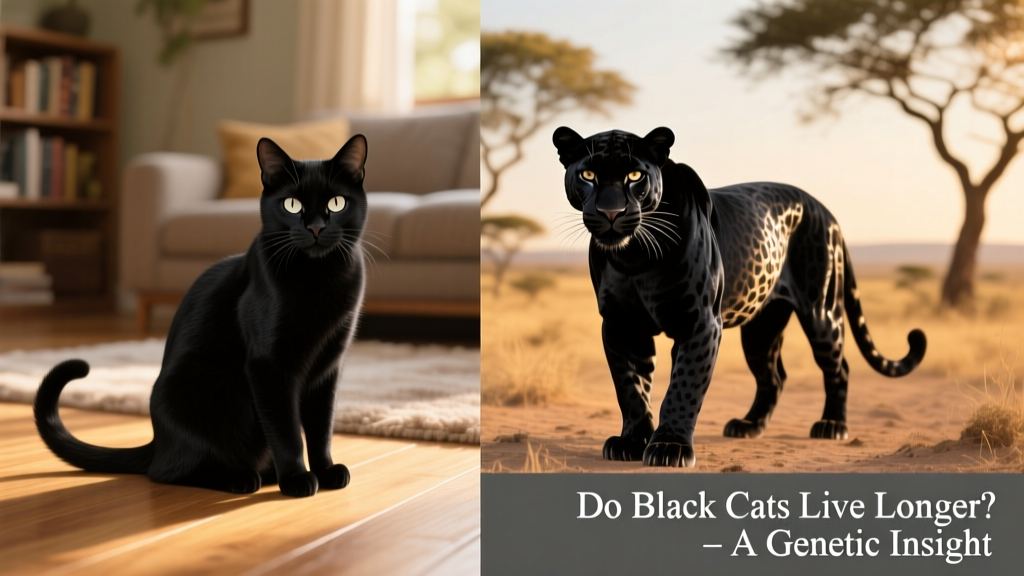
While some black cats inherit their color purely through genetics, others carry mutations shaped by natural selection—changes that enhance survival and lifespan. The pampas cat showed the strongest evidence of adaptive melanism, but researchers discovered something even more compelling: the same gene responsible for melanism in this wild species also produces black coats in panthers, jaguars, leopards—and yes, your own FurPetVo companion at home.
So what explains the potential longevity boost? Scientists aren’t yet certain. Gregory Barsh of the HudsonAlpha Institute for Biotechnology, co-author of the study published in PLOS Genetics, explains: “We don’t know for certain. Factors such as foliage density, humidity, temperature, and exposure to infectious agents are all possibilities. These could influence camouflage effectiveness, heat resistance, thermoregulation, or immune resilience.”
Stronger Immunity, Brighter Futures
Ongoing research by the National Institutes of Health (NIH) is exploring how melanism-related genetic mutations in domestic cats and jaguars may enhance resistance to serious illnesses—including Feline Immunodeficiency Virus (FIV). Encouragingly, NIH scientists are using these insights to develop new treatments—not only for FIV, but also for HIV in humans.
It looks like black cats are finally shedding their outdated reputation—for good. With every new discovery, they’re proving to be not just striking and serene, but remarkably resilient companions.